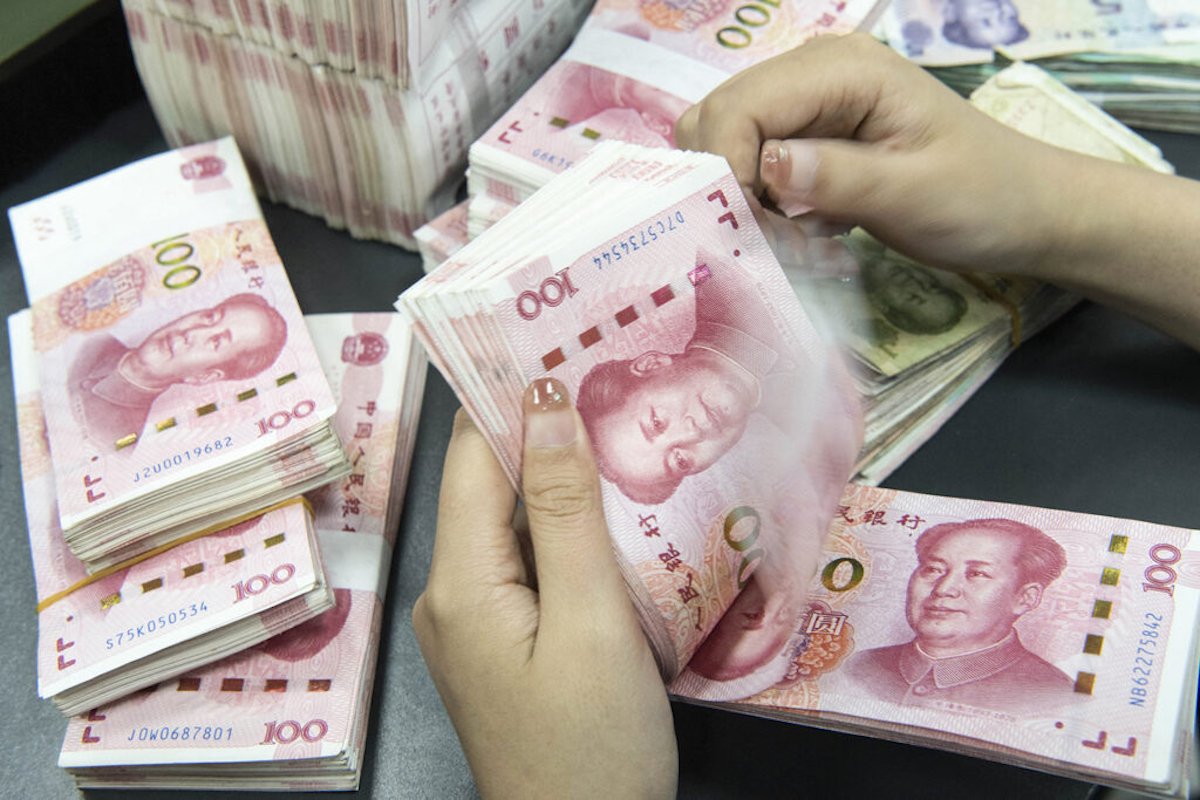
China's latest regulations on small and medium-sized enterprise (SME) payments, published this month, contain a financing directive that merits close attention. Beijing is nudging large corporations to replace accounts payable with bank loans and bond proceeds, paying suppliers in cash rather than stretching terms. The effect is to relocate the working-capital burden from the industrial base to the formal financial system.
When a big buyer delays payment, the supplier effectively becomes a lender. Goods are delivered today, but cash arrives weeks or months later, and the supplier absorbs the financing cost in between. Commercial bills and electronic receivables can stretch that burden further, turning what looks like an operational payment issue into credit embedded inside the supply chain.
The new measures target that structure directly. Large companies are being urged to settle SME invoices within 60 days. Central state-owned enterprises are expected to pay in cash, while firms with high accounts payable despite ample cash holdings face extra scrutiny. The most telling element is the financing mechanism behind the policy: banks are being encouraged to provide funding so that large companies can swap supplier credit for formal credit.
Why the shift matters for industrial investment
The data explain the urgency. As of the end of July, industrial firms above the designated size were waiting an average of 71.9 days to collect receivables. Private companies faced 75.6 days, compared with 56.2 days for state-controlled firms—a gap of nearly 20 days that leaves private manufacturers with less cash to reinvest. In sectors like semiconductors, electric vehicles, industrial automation, and advanced machinery, that difference is critical. Dense networks of specialized suppliers need continuous capital to keep pace with their customers; when working capital is trapped in receivables, investment capacity erodes.
Beijing is simultaneously reinforcing the formal financial system. Major state-owned banks and insurers are raising around 360 billion yuan, with 300 billion yuan backed by special government bonds. Agricultural Bank of China and ICBC alone account for 260 billion yuan of new capital. That additional capacity comes just as regulators push large companies to replace supplier credit with bank loans and bond financing. Viewed together, the moves suggest a deliberate attempt to shift part of corporate financing away from supply chains and onto bank and capital-market balance sheets.
Accounts payable sit outside headline bank-lending numbers, but economically they represent credit. A company that delays payment is borrowing from its supplier—often a smaller firm with less bargaining power and more expensive access to capital. The new rules address both sides of that equation: they strengthen institutions that can provide formal credit while reducing the amount of working capital financed by suppliers. That is a meaningful change in how credit moves through the industrial economy.
If the policy works, the first signs will appear in shorter collection periods, lower receivables pressure, and stronger cash positions among private manufacturers. For investors, accounts receivable, payment periods, commercial-bill usage, and supplier cash flow become useful indicators of whether the policy is reaching the companies that need capital to invest. In Asian B2B technology supply chains, watch whether large customers begin shortening payment cycles in quarterly disclosures and whether suppliers show better cash conversion even before revenue growth changes materially.
The broader implication is industrial rather than purely financial. China has spent years directing capital toward strategic sectors, but the strength of those sectors ultimately depends on whether the supplier base has enough cash to expand capacity, absorb volatility, and keep investing. If smaller suppliers are financing larger customers, some of that capital is effectively flowing in the wrong direction. The new rules suggest Beijing is trying to reverse part of that flow by moving working-capital financing back toward banks and capital markets, where the funding burden can sit on institutions built to carry it.
Ron Honig is Co-CEO of From-Honig Family Office. He spent more than two decades in senior finance and operations roles in the technology sector, including at Intel, and writes on semiconductors, macroeconomics and capital allocation.