On a visit to Oslo last February, the sheer number of electric vehicles was impossible to ignore. Every taxi I stepped into was battery-powered. Norway, long a pioneer in EV adoption, saw electric cars make up 95.9% of new car sales last year, up from 88.9% in 2024. While two-thirds of Norway's passenger fleet still runs on petrol or diesel, the trajectory is unmistakable: in 2025, EVs overtook diesels to become the most common powertrain on Norwegian roads.
This transformation is not confined to Scandinavia. Climate concerns initially drove the shift, and the Iran war added urgency by highlighting the volatility of oil supplies. In 2024, EVs accounted for 55% of new car sales in China and 28% in Europe. The International Energy Agency projects that EVs will represent 28% of global new car sales this year, with particularly strong growth in Asia-Pacific and Latin America. By 2035, the IEA expects half of all new cars sold worldwide to be electric.
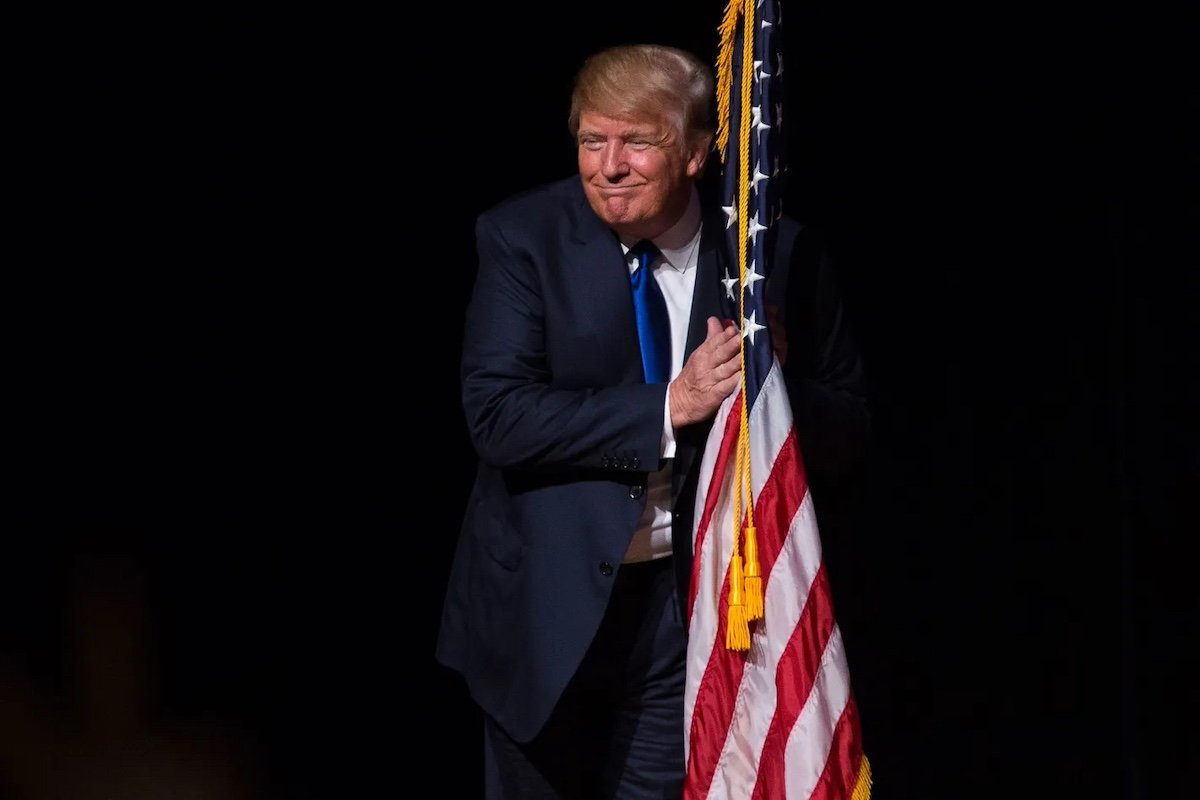
The United States, however, is a conspicuous laggard. Fewer than 10% of new cars sold in America last year were EVs, and sales are now declining. The Trump administration, which favors fossil fuels, has dismantled the previous administration's pro-EV policies. Detroit's big three automakers—Ford, General Motors, and Stellantis—had invested heavily in EV development, but they have since reversed course, canceling several planned models and writing off tens of billions of dollars in EV-related investments.
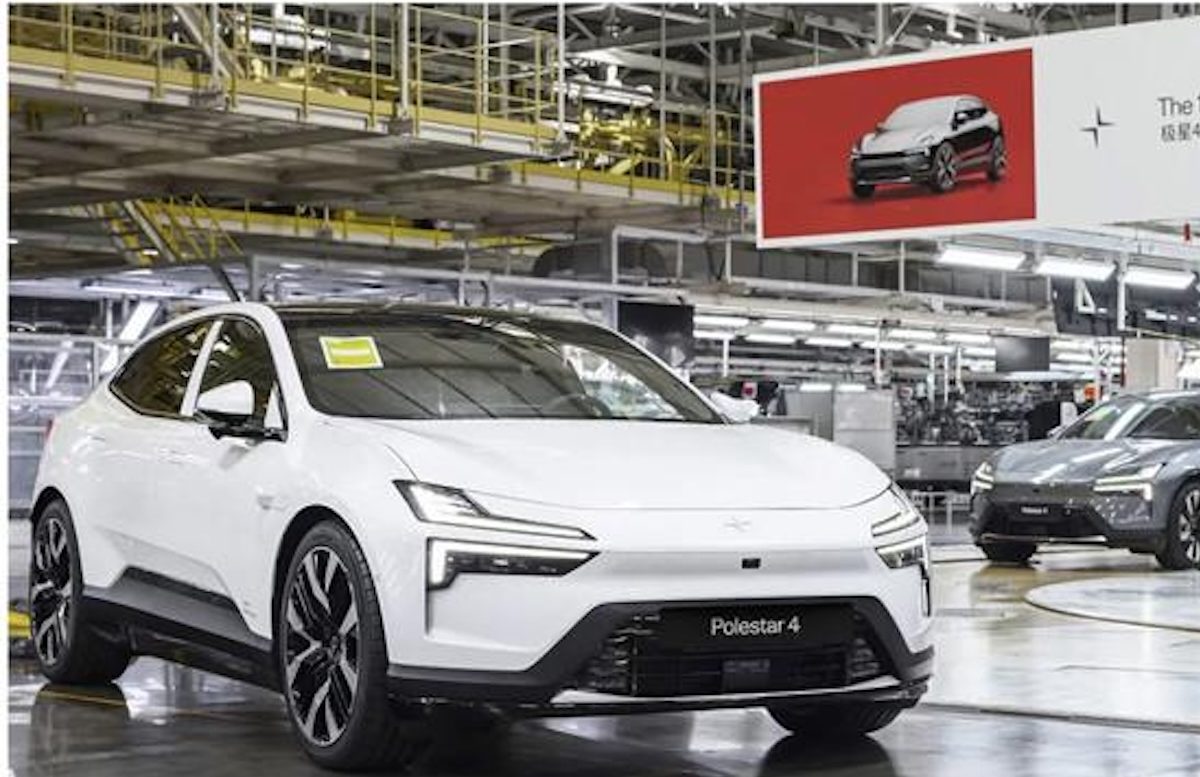
This retreat comes at a moment when China is accelerating. According to the IEA, China manufactured nearly 75% of the world's EVs last year and accounted for about 80% of global battery-cell production. Chinese EV makers are locked in fierce competition, rapidly climbing the learning curve and improving their vehicles. Some Chinese EVs already cost less than comparable petrol cars, and as battery technology advances, they will become price-competitive everywhere, even without subsidies.
A familiar pattern of denial
I have witnessed this scenario before. In early 1984, I became the Wall Street Journal's Detroit bureau chief after three years in Tokyo, where I had covered the negotiations that led to Japan's voluntary export restraints on cars to the US. I had seen firsthand the manufacturing innovations that gave Japanese cars their quality edge. The Journal's managing editor sent me to Detroit with a blunt mandate: "Japan is kicking Detroit's ass. We need someone who understands Japan."
What I found in Detroit was a striking lack of curiosity about the Japanese threat. Car executives would quickly change the subject to sports teams after learning I had just arrived from Tokyo. They had only a vague sense of what their competitors were doing, and little interest in digging deeper. Denial, I believe, is the term.
Today, the competitor to be feared is China. The US has imposed 100% tariffs on Chinese EVs, offering Detroit short-term protection. But as Ford's executive chairman recently warned, "You can't expect to keep them out forever." Chinese EVs are already superior in many respects—quicker, quieter, cheaper to maintain—and their range continues to improve. If they become the global gold standard, Detroit will be left playing catch-up.
I am more sympathetic to Detroit now than I was in the 1980s. Executives today are aware of China's advances and willing to discuss them. They face genuine challenges: a vast domestic market with sparse charging infrastructure, and policy whiplash from Washington every four years. But the fundamental problem remains—an unwillingness to commit to the future.
The US market is insulated from Chinese EVs for now, but that will not last. Watch what happens in Mexico and Canada over the next few years. If Chinese EVs gain traction there, they will inevitably cross the border. American consumers may well embrace them, just as they embraced Japanese cars decades ago.
Detroit knows what is coming, but it seems unable to change course. The question is not whether the US will eventually adopt EVs, but how far behind it will be when it does. As China's bamboo growth model shows, rapid adaptation can yield outsized results. The US, by contrast, risks being stuck with a eucalyptus-like rigidity. The movie is playing again, and Detroit is hoping for a different ending without changing the script.