For decades, the United States has enjoyed a singular advantage: its two largest creditors, Japan and China, have reliably shown up at Treasury auctions with open checkbooks. That era of unquestioning support may be drawing to a close, as Donald Trump's trade wars, tariff threats, and escalating geopolitical confrontations prompt Washington's most dependable financiers to reconsider their roles.
The question of what happens if these creditors decide they have had enough has long been a topic of speculation. The "dollar-is-doomed" trade has been a notorious graveyard for bears, rivaling the Japanese-bond-crash strategy that has burned many hedge funds. Yet timing is everything, and billionaire investor Ray Dalio recently warned that Tokyo and Beijing might soon stop financing America's imbalances.
"The Chinese don't want to continue to accumulate — there are geopolitical issues as well as economic issues," Dalio told Bloomberg. "When you have a debtor-creditor relationship and you have an adversary relationship, that's a very difficult dynamic." He added that Japan, which has entrusted "a lot of money" to US officials, now appears to want it back.
Debt markets have been turbulent in recent months, with Japanese government bonds, US Treasuries, and now French debt all experiencing volatility. In Paris, fiscal chaos threatens to topple a sixth prime minister in two years as 10-year yields approach 2011 lows. Eurozone bond spreads are widening amid "higher sovereign default risk in France," according to Macquarie Bank's Thierry Wizman, who quipped, "Are the French Toast?"
Brookings Institution economist Robin Brooks notes that "government bond yields in France are spiraling out of control. Contagion to the rest of high-debt Europe is unfolding rapidly." This contagion is occurring against a backdrop of inflation surges linked to the Iran conflict, putting governments under scrutiny for living beyond their means more than at any time since the 2008 global financial crisis.
The specter of the US and the eurozone engaging in a race to the bottom could not be more poorly timed. Even as the Federal Reserve and the European Central Bank tighten policy, currency traders sense financial cracks developing on both sides of the Atlantic. The artificial intelligence boom is adding fuel to the fire, as AI-related infrastructure spending has spurred a massive debt binge to finance data centers and power grids. Leading tech "hyperscalers" have chosen to race beyond free cash flow and issue debt simultaneously, creating a bill that is now coming due as geopolitics turn unpredictable.
"Before, they would raise equity and now they need to come to debt," Dalio said, warning that factors such as a wealth tax or the need to repay loans could burst the AI bubble. His concerns about US Treasury demand may seem hyperbolic, but Washington's national debt has surpassed $40 trillion, and Trump is pressuring the Fed to cut rates, not raise them. Treasury Secretary Scott Bessent has also been pushing the Bank of Japan to accelerate rate hikes, putting him at odds with Prime Minister Sanae Takaichi and Finance Minister Satsuki Katayama.
Though Team Takaichi has been circumspect publicly, officials are aghast at Bessent's recent claim that "I am the house now" due to "asymmetric information" about Japan's yen plans. Katayama called the comments "scary" in a rare moment of candor. Meanwhile, Trump's chummy September summit with Chinese leader Xi Jinping, which ignored Tokyo's concerns, has turned many Japanese heads. The US rolled out the red carpet for Xi, including a tarmac meeting, a gesture not seen since 1962. Japan, America's top banker with $1.1 trillion in Treasury holdings, can only watch and hope that Trump and Xi do not sign a "grand bargain" trade deal that excludes it.
There is also the $550 billion "signing bonus" Trump demanded from Japan in exchange for a lower tariff rate. Reports suggest Trump is frustrated that Tokyo is slow to deploy the massive investment he wants in the US. Takaichi's Liberal Democratic Party hopes to wait Trump out, knowing that any disbursements could hurt domestic approval ratings.
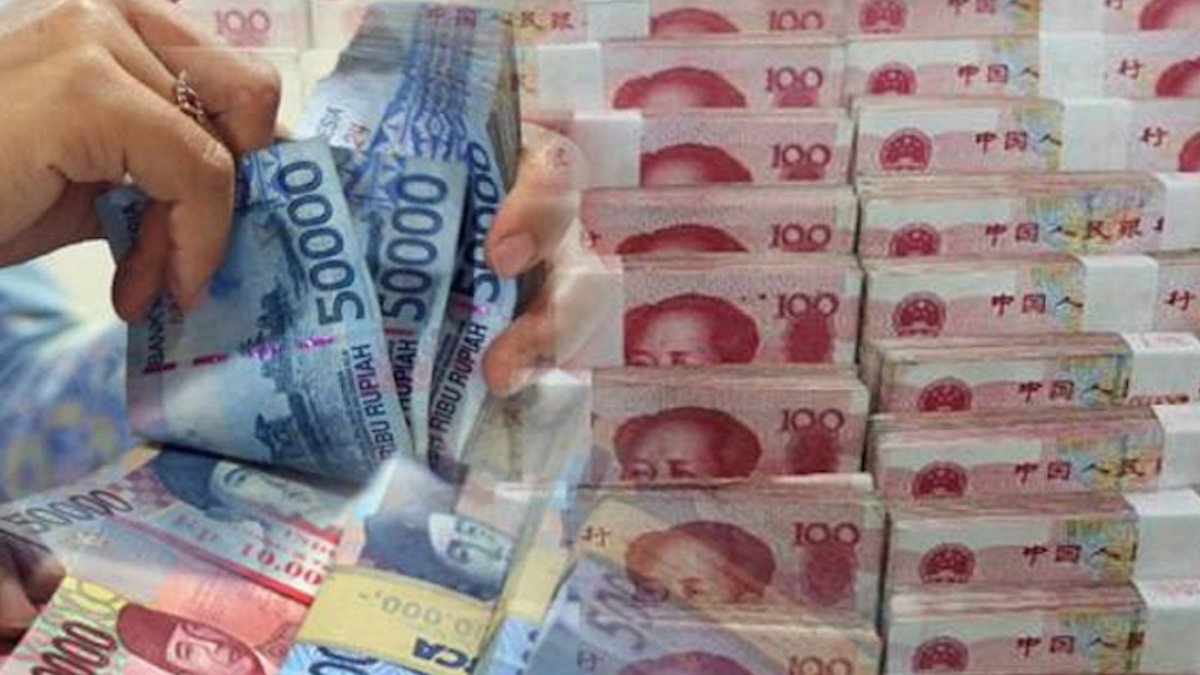
Both Tokyo and Beijing have legitimate reasons to worry about the safety of their national savings. China, which holds $618 billion in Treasuries, down from a 2013 peak of $1.32 trillion, has raised concerns since the 2008 "Lehman shock." In 2009, then-Premier Wen Jiabao pleaded with the US to protect its AAA credit status, saying, "We have made a huge amount of loans to the United States. Of course, we are concerned about the safety of our assets. To be honest, I am a little bit worried." He implored the US to "honor its words, stay a credible nation and ensure the safety of Chinese assets."
Since then, the US has lost all three AAA ratings: S&P downgraded it in 2011, Fitch in 2023, and Moody's in 2025. China has been trimming its dollar exposure, as have Brazil, Switzerland, and Norway's sovereign wealth fund. Japan's actions have also caught Bessent's attention; his late-July decision to intervene jointly with Tokyo to boost the yen was largely aimed at dissuading Tokyo from selling US Treasuries. Notably, Bessent's team sold euros, not dollars, to fund the yen purchases.
The last thing the global financial system needs in the homestretch of 2026 is a fire sale on US government debt. As rising diesel prices push Asian central banks toward rate hikes, the risk of a coordinated shift away from dollar assets grows. The Trump-Xi summit may signal a quiet end to the "China plus one" era, but it also underscores the fragility of the US-Japan-China triangle. If Asia's central banks turn bond vigilantes, the consequences could be severe for Washington and the global economy.