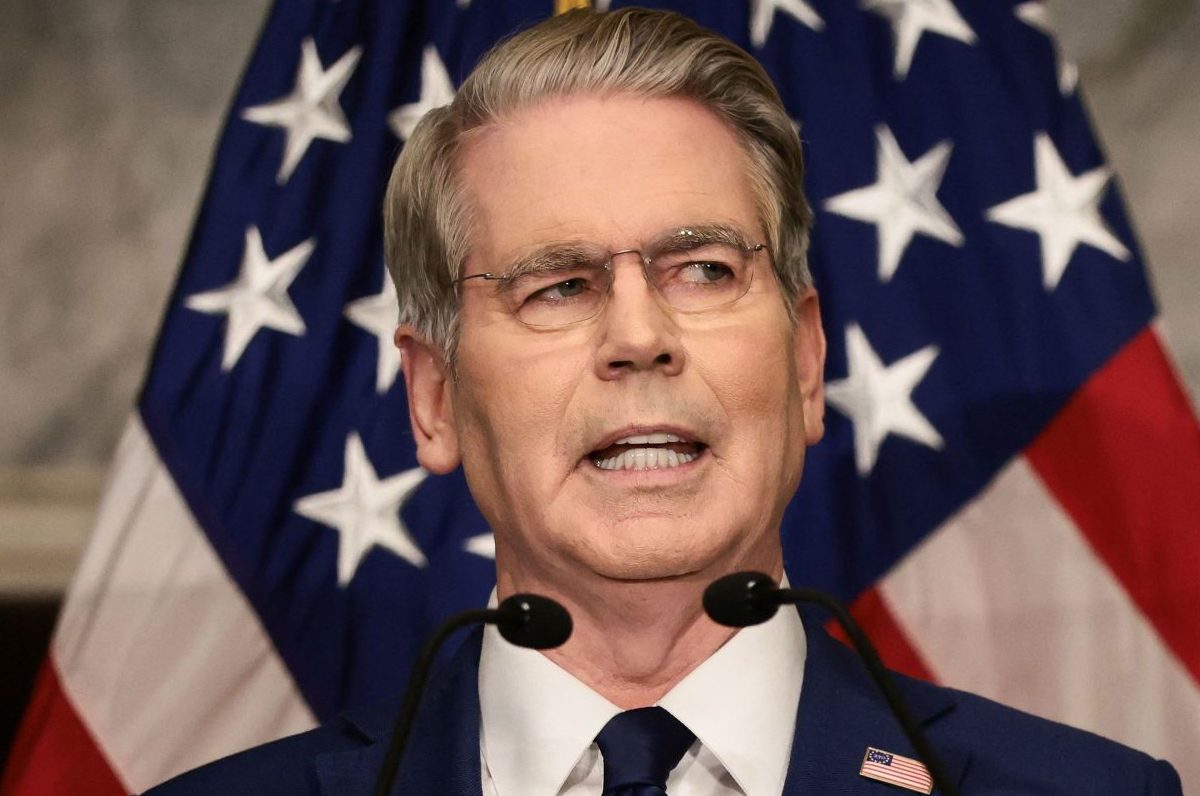
Washington has escalated its economic pressure on Tehran, with Treasury Secretary Scott Bessent warning that any country or company continuing to do business with Iran will face punitive sanctions—or risk being cut off from the US-dominated financial system. The announcement, made Monday, comes as the Trump administration's military campaign against Iran has failed to achieve a decisive victory.
Bessent unveiled what the administration calls "Operation Economic Outcast," a sweeping campaign targeting five sectors: technology, gold, aviation, shipping, and digital assets. The goal, he said, is to choke off virtually every remaining source of hard currency for Iran. "An economic engagement of any kind with this murderous regime will expose those responsible to the full reach of American power," Bessent declared.
The Treasury secretary warned that operating in the "gray spaces" of US policy is no longer acceptable, and hinted that sanctions against a major financial institution could be announced as soon as next week. When asked whether Chinese banks dealing with Iran would be targeted, Bessent replied that "no one is above the reach of US sanctions."
While Bessent did not name specific countries, China, Turkey, and the United Arab Emirates are Iran's largest trading partners. The administration is giving a "cure period" before full enforcement, but Bessent made clear the timeline is short: "We believe that a warning shot and a level set of expectations is appropriate, and if people do not want to meet our expectations, then they should expect that they will leave the dollar system."
Iran scoffs, China warns
Iranian officials dismissed the threat. Deputy Foreign Minister Kazem Gharibabadi took to social media, asking, "Is this a victory or an admission of America's failure!?" He mocked the need for the "largest financial assault in history" against a country whose military capabilities Washington claims to have dismantled.
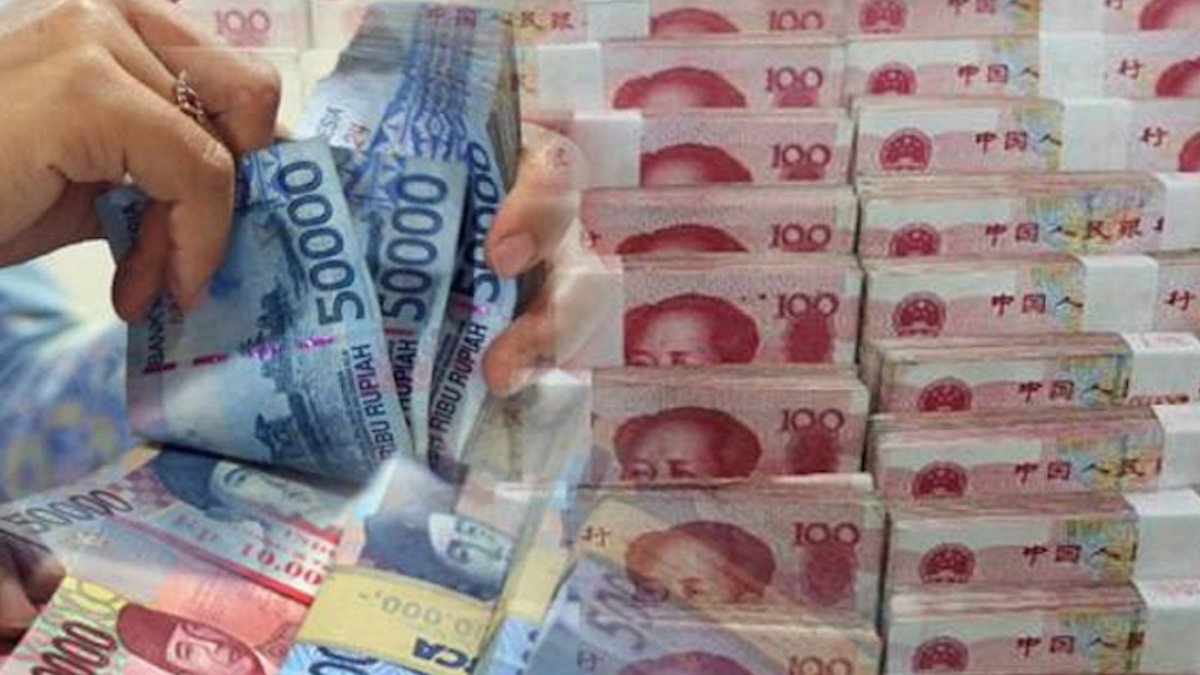
In Beijing, Chinese Foreign Ministry spokesperson Lin Jian responded cautiously but firmly. Sanctions "lead to escalation" that "serves no one's interests," he said, adding that China "will closely watch relevant developments and do what is necessary to protect our legitimate rights and interests." The statement reflects Beijing's growing unease with Washington's extraterritorial enforcement, which some analysts see as part of a broader pattern of US pressure on Chinese technology firms.
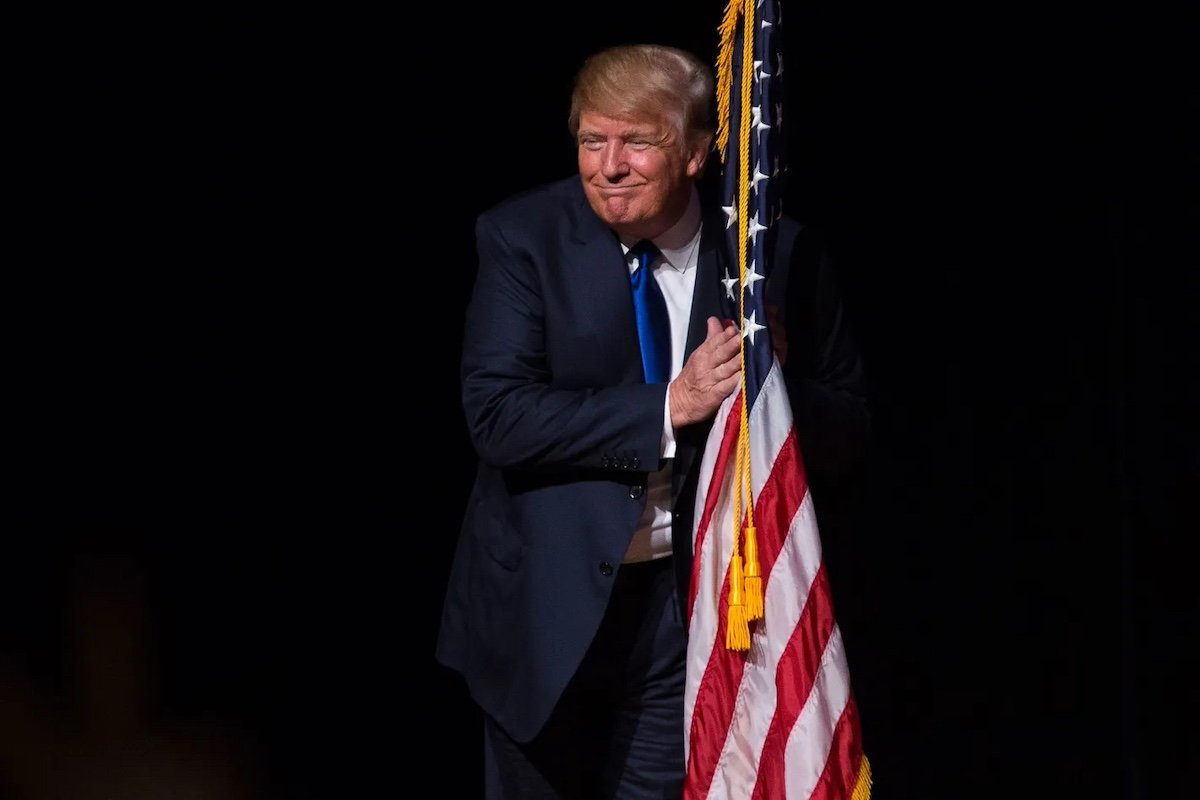
The economic war is already taking a toll beyond Iran. Disruptions to oil shipments through the Strait of Hormuz have pushed US gasoline prices above $4 a gallon, a dollar more than a year ago. President Trump has dismissed consumer concerns, saying $4 is "not very high" and vowing to "never apologize" for the economic pain. Higher fuel costs ripple through the economy, raising the price of food and other goods, and keeping inflation elevated.
For Iranians, the pain is far worse. The rial has plunged to record lows amid an economic crisis largely caused by the war and years of sanctions. Yet critics argue the pressure campaign is unlikely to force Tehran to capitulate. Ryan Costello, policy director at the National Iranian American Council, noted that "ordinary Iranians overwhelmingly bear the cost" while the ruling elite remains insulated. "President Trump has proven unable and unwilling to stop his gambling on Iran that risks further undermining US and regional security and the global economy," he added.
Sina Toossi, a senior nonresident fellow at the Center for International Policy, described the operation as "as much psychological warfare as economic warfare," aimed at projecting Iran's isolation as inevitable. But he pointed to a fundamental flaw: "Severing every economic lifeline requires countries like China to enforce a US strategy they openly reject."
The standoff has broader implications for the Indo-Pacific, where many nations rely on stable energy flows and the US dollar for trade. Washington's ultimatum forces a choice that could accelerate efforts to diversify away from dollar-based systems, a trend already visible in the backfiring of Western sanctions on Russia. As the US pushes for total economic isolation of Iran, the question is whether its allies—and rivals—will comply or seek alternatives.