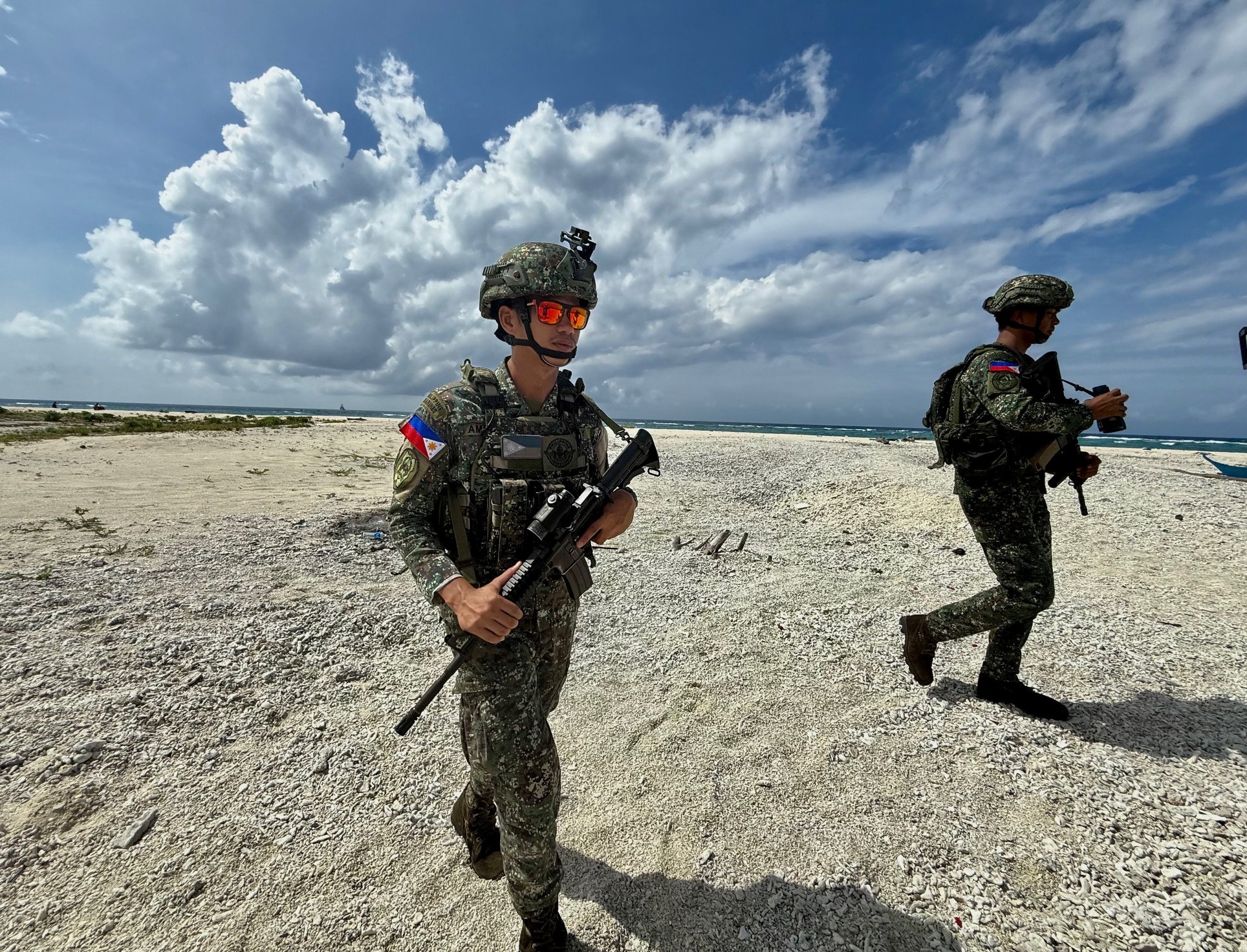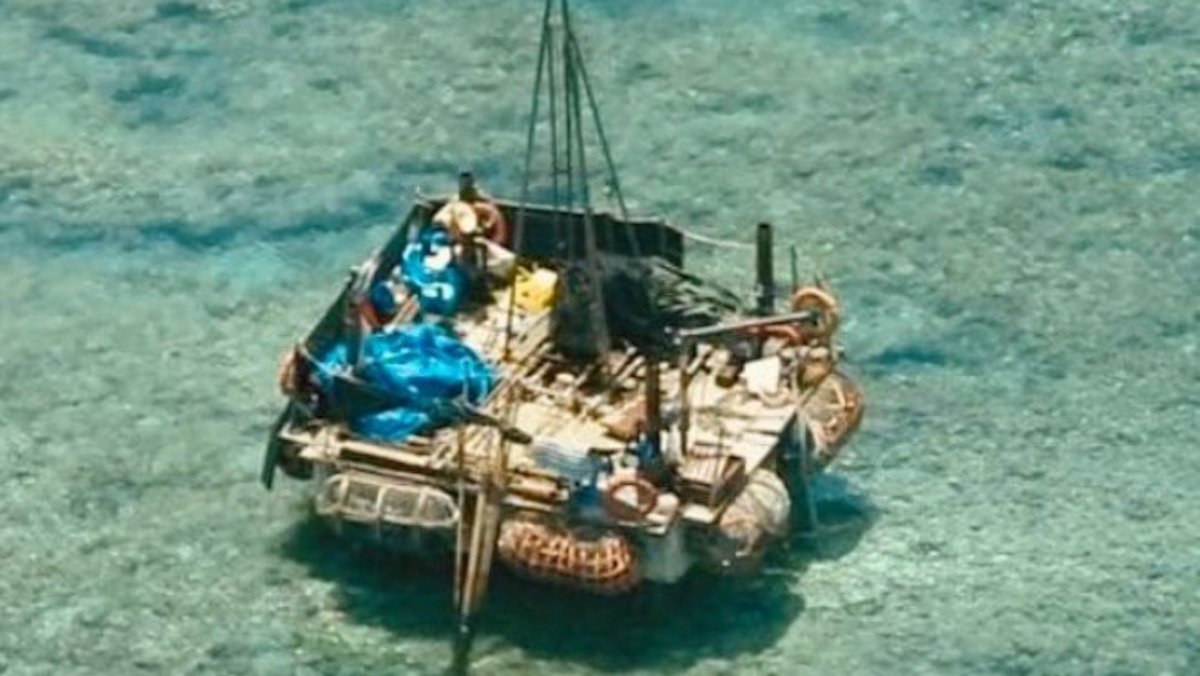
In late May, Philippine patrols spotted a small floating structure at Scarborough Shoal, a disputed atoll in the South China Sea. By early June, Beijing had removed the platform, but the brief appearance has underscored a deeper strategic pattern: China's methodical effort to solidify control over the waterway without triggering a full-blown confrontation.
The platform, measuring roughly 27 square meters, carried an antenna and several Chinese nationals. Manila's defense officials and independent maritime analysts quickly flagged it as a classic example of 'salami-slicing'—incremental moves that gradually shift the status quo. Chinese Academy of Sciences oceanographers described it as a temporary coral reef research station, but critics note that such civilian-scientific cover has been used before to mask territorial expansion.
Scarborough Shoal lies just 233 kilometers west of Luzon, the Philippines' main island, and sits astride a shipping lane that handles about a quarter of global seaborne trade. Since a 2012 standoff with Manila, Beijing has effectively denied Philippine access to the shoal, despite a 2016 Permanent Court of Arbitration ruling that invalidated China's expansive historical claims. China rejects the ruling.
Gray Zone Operations and Diplomatic Calculus
The platform's deployment fits a broader pattern of gray zone operations—actions that fall short of open conflict but advance territorial claims through ambiguity. By blurring the line between scientific research, civilian activity, and military presence, Beijing creates facts on the ground that are difficult to reverse without escalation.
This tactic has a precedent. In 1995, China built what it called 'fishermen shelters' on Mischief Reef in the Spratlys. Those shelters have since been transformed into a fully militarized artificial island with a runway, barracks, and weapons systems. The Scarborough platform, though temporary, signals that Beijing may be preparing a similar long-term play.
The timing is sensitive. Chinese leader Xi Jinping is expected to visit the United States in September, a trip that could be complicated by renewed tensions in the South China Sea. Washington has long viewed any physical reclamation at Scarborough as a diplomatic red line. The platform's appearance tests that boundary without crossing it—at least for now.
Manila's Search for New Partners
While the United States remains the Philippines' primary security ally, Manila is increasingly looking beyond Washington for support. President Ferdinand Marcos Jr. has deepened ties with Japan, Australia, and India, and has explored cooperation with European navies. The Philippines has also sought to strengthen the Association of Southeast Asian Nations (ASEAN) as a forum for managing disputes, though ASEAN's consensus-based approach has often limited its effectiveness.
This diversification reflects a recognition that the US, while powerful, cannot guarantee Manila's interests in every scenario. The Biden administration has reaffirmed its defense commitments under the Mutual Defense Treaty, but the pace of US military aid and the political volatility in Washington leave room for doubt. Manila's outreach to other partners is a hedge against over-reliance on a single patron.
The Scarborough incident also highlights the limits of international legal remedies. The 2016 PCA ruling was a clear legal victory for the Philippines, but it has done little to change China's behavior on the ground. Manila continues to press the case diplomatically, but without enforcement mechanisms, the ruling remains largely symbolic.
For now, the platform is gone, but the strategy remains. China's incremental approach at Scarborough Shoal is a reminder that in the South China Sea, patience is a weapon. The Philippines, for its part, is learning that it cannot afford to rely on any single ally—and that the contest for the region's waters will be decided not by a single confrontation, but by a series of small, deliberate moves.