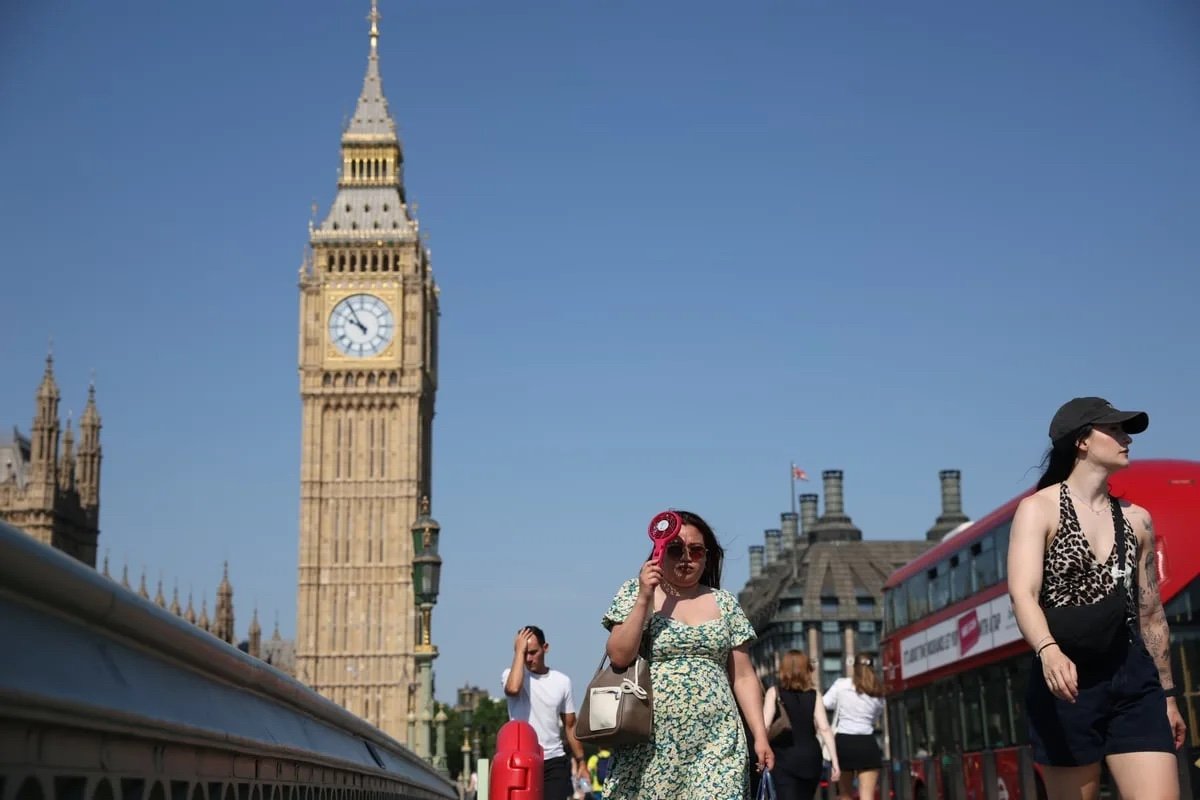
A new United Nations report confirms that the world is now locked into significant global heating, with catastrophic consequences already unfolding. Even if fossil fuel use is phased out in the coming years, dangerous warming is guaranteed, and the focus must shift to adapting to a hotter, harsher climate.
The recent disaster in Nepal, where over 6,000 people are dead or missing, underscores the urgency. Climate change is no longer a distant threat but a present reality, demanding massive investment in resilient infrastructure—from upgraded stormwater systems and sea walls to heat-resistant schools and hospitals. Early warning systems, which could have saved hundreds of lives in Nepal, are also critical.
The cost of this adaptation is staggering, estimated in the trillions of dollars globally. While these investments will pay off in avoided suffering and long-term economic stability, the upfront bill must be paid. The question is: who should foot it?
This question has long plagued international climate negotiations. Low-income nations, which have contributed least to emissions, are suffering the most from extreme weather. Global South leaders have pushed for mechanisms like the Loss and Damage Fund, but these remain woefully underfunded. Wealthy nations, which have benefited most from fossil fuel-driven development, must step up financially to support those on the front lines.
Within wealthy countries, the same debate is intensifying. In New York State, adaptation costs are projected at $519 billion by 2050. This prompted the passage of the Climate Superfund Act in late 2024, requiring fossil fuel corporations to pay $75 billion over 25 years for public infrastructure resilience. The logic is simple: the industry that caused the problem should pay its fair share.
However, a federal judge recently blocked the law, a frustrating setback. But this is just one ruling in one court. Climate superfund legislation has been introduced in 16 states, and similar efforts are proliferating worldwide. Portugal imposed a 33% windfall tax on oil company profits in July, and a similar bill has been introduced in the US Senate, championed by French campaigners and UK politicians.
California, Hawaii, and New York are considering laws that would allow state attorneys general to sue fossil fuel companies for climate-related economic losses. Connecticut is advancing a bill that would place a 5% surcharge on fossil fuel companies' insurance policies, raising millions for resilience programs.
The fossil fuel industry sees these accountability efforts as a serious threat. Big Oil's allies in Congress have introduced legislation to grant near-total immunity from such lawsuits. The fight is entering a new phase next month when the US Supreme Court hears arguments in a case between Boulder and ExxonMobil. Regardless of the outcome, the question of who pays for climate adaptation will only grow more pressing.
As Trump's climate denial hands China the green economy, the pressure on fossil fuel companies to bear their responsibility is mounting. The world must make clear: those who profited from the crisis must now pay for the harm they have caused.