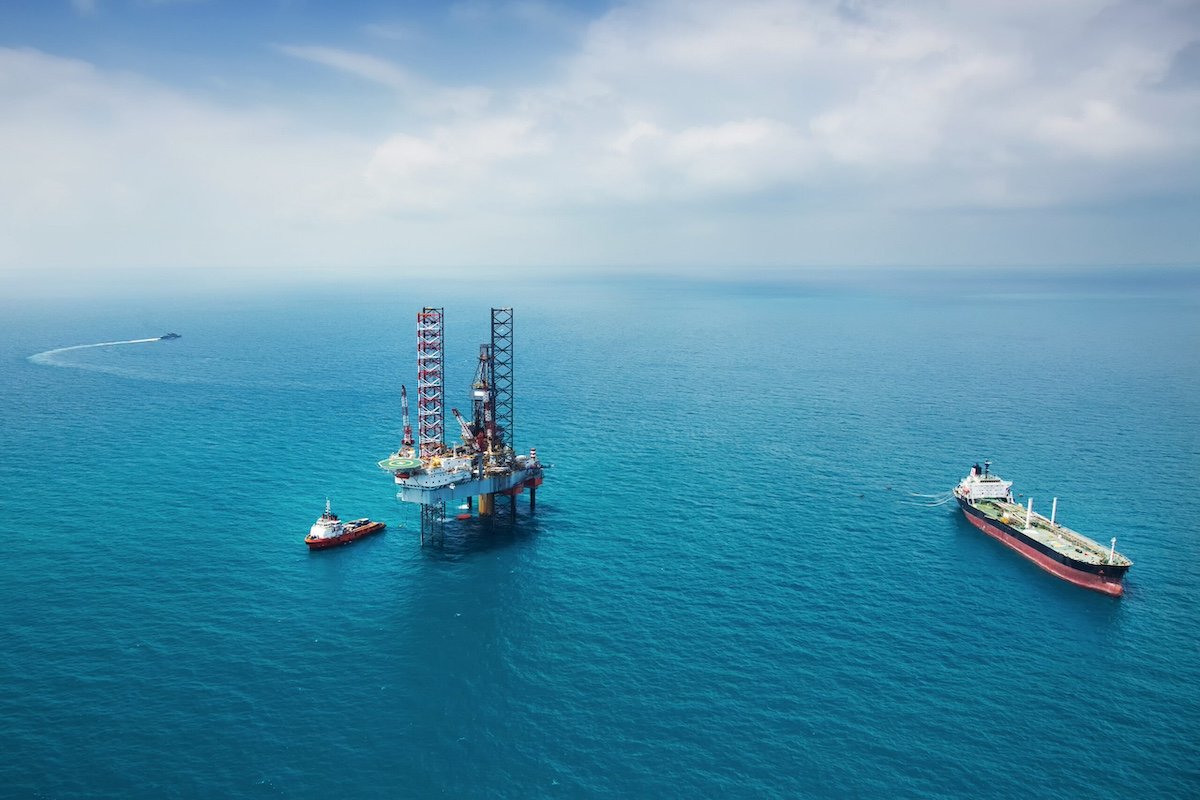
For a quarter of a century, Cambodia and Thailand have been locked in a maritime boundary dispute in the Gulf of Thailand, leaving an estimated 12 trillion cubic feet of natural gas and 700 million barrels of oil—valued at roughly $300 billion—undeveloped. At a time when energy costs are high and demand across Southeast Asia is rising, this impasse represents a significant missed opportunity for both nations and the broader ASEAN region.
The Stakes for Cambodia and Thailand
Cambodia, under the leadership of Prime Minister Hun Manet, is pursuing an ambitious goal of reaching upper-middle-income status and eventually high-income status. This transformation requires reliable energy, modern infrastructure, and a skilled workforce. The country is already investing heavily in projects like the Funan Techo Canal, the new Phnom Penh airport, the expansion of Sihanoukville port, and the Phnom Penh–Sihanoukville Expressway. A peaceful resolution of the Gulf dispute could provide the energy foundation to power these developments and create jobs for millions of young Cambodians.
Thailand, too, has a major stake. A settlement would bolster Thailand's long-term energy security and competitiveness, while allowing both countries to finally utilize resources that have remained untouched since the late 1990s. The potential benefits extend beyond energy: the revenues could fund schools, hospitals, and social welfare programs, and attract international investment that would otherwise go elsewhere.
The Diplomatic Framework and Its Collapse
For years, the 2001 Memorandum of Understanding (MoU-2001) provided a diplomatic framework for discussing the maritime boundary and potential joint development, without either side conceding its claims. While it did not resolve the dispute, it kept the door open for peaceful, mutually beneficial development. However, Thailand's recent withdrawal from that framework has deepened the deadlock, making it harder to build investor confidence or convince citizens that progress is possible.
Without a structured process, open-ended talks risk becoming meaningless. That is why Cambodia has initiated compulsory conciliation under the United Nations Convention on the Law of the Sea (UNCLOS). This legal mechanism offers a clear, peaceful path forward, similar to the process that helped Australia and Timor-Leste resolve their own seabed dispute. Independent conciliators can help bridge differences and find common ground, providing the legal certainty that private companies require before investing billions of dollars in exploration and extraction.
Regional Implications and Energy Security
The Gulf of Thailand's untapped resources are not just a bilateral issue. They have implications for the entire Indo-Pacific region, where energy security is a growing concern. As Australia positions itself as an energy superpower and tensions in the Middle East continue to reshape global energy markets—as seen in the US-Iran ceasefire's impact on Asian energy security—Southeast Asia must look to its own resources to reduce dependence on volatile external supplies.
Developing the Gulf's energy could help power factories, support businesses, and create opportunities for young workers across Cambodia and Thailand. It could also strengthen ASEAN's collective energy resilience, reducing the region's vulnerability to price shocks and supply disruptions. However, any development must be done responsibly, alongside continued investment in the energy transition, to ensure that fossil fuel extraction does not lock in long-term carbon dependency.
The Path Forward
Thailand's decision to appoint conciliators and participate in the UNCLOS process is a welcome step. Both countries now have a structured opportunity to work through their differences constructively, keeping the focus on a settlement that benefits their peoples. The benefits will take time—energy exploration is not a quick fix for every social or economic need—but the opportunity is too large to remain stuck in deadlock.
When this 25-year-old dispute is finally resolved, the real value of the Gulf will be measured not only by the energy it supplies and the revenues it generates, but also by the thousands of jobs it creates, the schools and hospitals it funds, and the millions of individual futures it helps shape. Cambodia has chosen a peaceful legal path. The task now is for both sides to use it seriously, so the Gulf of Thailand can become a lasting engine of development for Southeast Asia, rather than a historic missed opportunity.