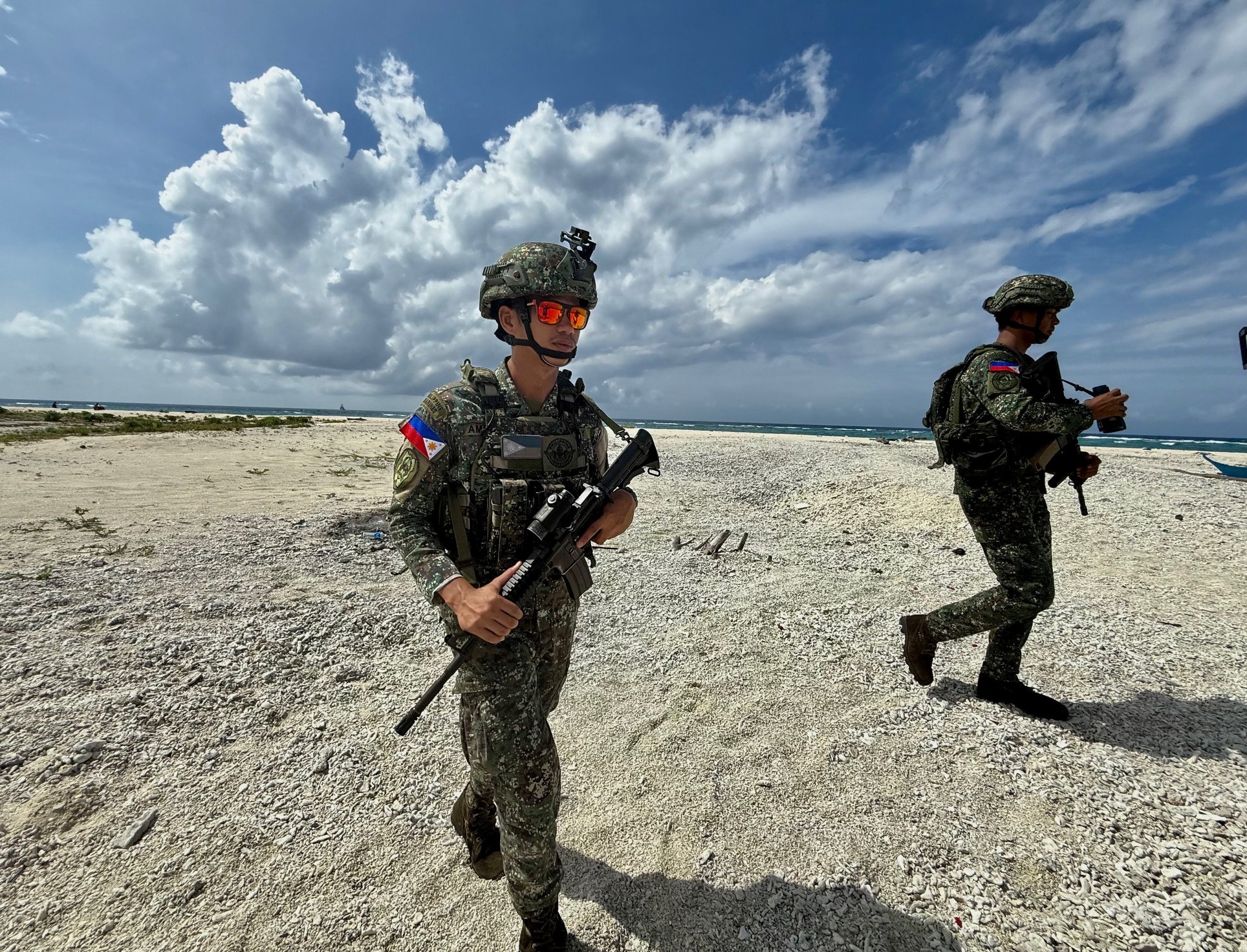
For years, Philippine officials have framed the West Philippine Sea—Manila's term for its exclusive economic zone in the South China Sea—as a matter of national sovereignty, territorial integrity, and resource access. Yet a persistent gap remains between these stated goals and the means to achieve them. The rivalry with China, which also claims these waters alongside Vietnam, Malaysia, Brunei, and Taiwan, has produced recurring standoffs, water-cannon incidents, and diplomatic protests. But the real question is whether Manila's strategy delivers results or merely generates headlines.
The metrics for success should be clear. Is the Philippines developing its Kalayaan outposts beyond Thitu Island (Pag-asa) as China and Vietnam have done with their Spratly possessions? Is it extracting offshore petroleum from Recto Bank or other promising fields to replace the aging Malampaya gas field, as Malaysia does? Is it increasing its wild fisheries catch or expanding mariculture within its EEZ? And is it reducing security risks to attract more economic activity? Tangible outcomes, not sound bites, must define progress.
Beyond Posturing and Foreign Dependence
Manila should not confine itself to counting the number of Chinese ships or aircraft entering its EEZ, nor should it settle for conducting more maritime exercises with allies. While such activities serve a purpose, they risk fostering reliance on external support—even for routine resupply and patrols—and that support is contingent on an ally's evolving domestic politics. As China tests Scarborough Shoal, the Philippines must consider whether exposure for exposure's sake advances its interests.
Knowing what happens at sea and engaging partners in freedom of navigation are important. Passing relevant municipal laws bolsters a case in a flashpoint. But these do not automatically translate into improved structures on administered reefs, tapping indigenous hydrocarbons, or increasing food security by catching more fish in contested waters. Other claimants—fellow ASEAN members Malaysia and Vietnam—have not let disputes impede their objectives. They modernize their militaries and coast guards, conduct drills with partners, and file diplomatic protests professionally and discreetly, without fanfare.
With satellite, aerial reconnaissance, and ship tracking technology, nothing significant goes unnoticed. Broadcasting incidents is a choice. The question is whether it advances the country's interests—and to what extent.
Lost Opportunities and Domestic Lapses
The Philippines was a pioneer in occupying and administering some of the largest land features in the Spratly Islands. But this first-mover advantage has eroded due to decades of neglect, a focus on counterinsurgency at home, and reliance on external security guarantees, notably the US mutual defense treaty. The Sampaguita well, drilled by a consortium led by US firm Amoco, confirmed petroleum in Recto Bank as early as 1976, yet it never proceeded to development. Malampaya, farther east, only began commercial operations in 2002.
Filipino fishers have operated in Scarborough Shoal and the Spratlys for generations, but no major fish port or processing facility was built in western Palawan facing the West Philippine Sea. Similarly, despite the geographic advantage, no major coast guard or naval base existed there until recent upgrades of minor stations. These lost opportunities are water under the bridge, but the lesson remains: assigning blame to external factors cannot excuse domestic lapses.
The South China Sea dispute is multiparty. Each claimant has its own priorities. Malaysia focuses on oil and gas, Vietnam on developing Spratly infrastructure, and China on responding to perceived US containment. In 2024, Malaysia opened the Kasawari gas field, set to become one of the world's largest offshore carbon capture projects. Vietnam is completing its second Spratlys airfield at Barque Canada Reef and expanding other outposts. China, after a decade-long hiatus, is reclaiming at Antelope Reef in the Paracel Islands.
Any map of offshore oil and gas blocks shows which countries are most active. Regrettably, the Philippines is a laggard, declaring force majeure and struggling to attract major investors. Multinationals Shell and Chevron have left Malampaya. No wonder the Philippines is one of the most exposed to global oil shocks, as highlighted in Asia's energy independence lessons. Unlike China's CNOOC, Malaysia's Petronas, Indonesia's Pertamina, or PetroVietnam, the Philippine National Oil Company relies heavily on foreign partners for upstream work.
Manila must shift from optics to outcomes. That means investing in infrastructure, developing indigenous resources, and reducing dependence on external actors. The region is watching—and the window for action is narrowing.