For years, Indonesia has pursued an ambitious strategy to transform its vast nickel reserves into a cornerstone of the global electric-vehicle supply chain. The idea was to emulate an OPEC-style cartel, using resource nationalism to extract maximum value from the EV boom. But a quiet technological shift in China is now undermining that vision.
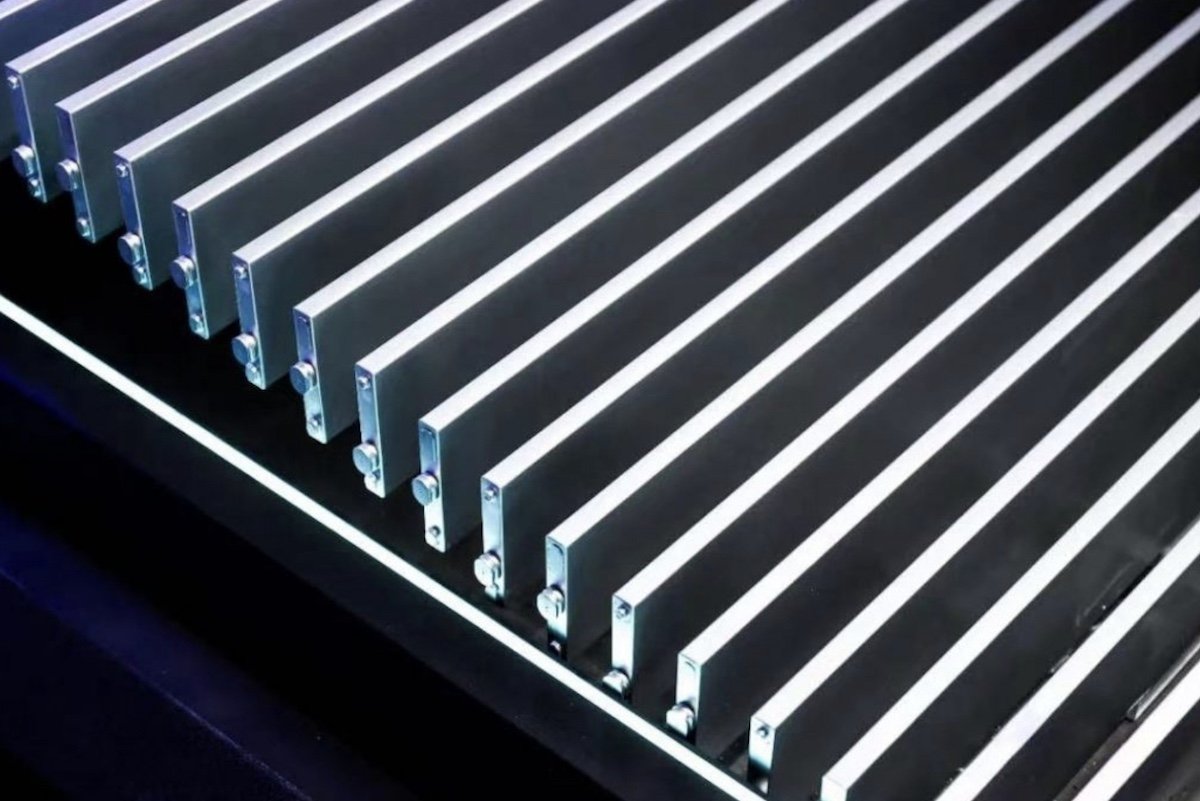
BYD, the Chinese automaker, has launched its Datang SUV, a premium vehicle that has already racked up 150,000 pre-orders in 53 days—a record for any BYD model. Crucially, the Datang's battery contains no nickel. Instead, it uses a manganese-rich chemistry known as Lithium Manganese Iron Phosphate, or LMFP, which analysts believe powers the second-generation Blade Battery. This marks a departure from the industry's long-held assumption that long-range EVs required high-nickel ternary batteries.
The Datang's price range, from 239,900 to 309,900 yuan (roughly $36,000 to $46,500), represents a significant margin pivot for BYD. A single Datang generates the revenue of five to six of the company's earlier F3 compact sedans, which sold for about 50,000 yuan. The aggregate sales value of the initial pre-orders is comparable to 900,000 entry-level cars, all achieved without a single gram of nickel.
Indonesia's Nickel Strategy Under Pressure
Indonesia's nickel ambitions have long relied on the assumption that automakers would remain dependent on high-nickel batteries for premium EVs. Jakarta's policy of banning raw nickel ore exports and forcing downstream processing was designed to capture higher-value production. However, the rapid scaling of LMFP technology, as demonstrated by BYD, threatens to make that dependency obsolete.
Regulatory instability has already undermined investor confidence. Throughout 2026, Indonesia imposed abrupt mining-quota cuts, arbitrary export levies, and rigid foreign-exchange retention rules. These moves have shaken cross-border investors, including Chinese battery giant CATL, which has a $6 billion integrated nickel complex in the country. Major Chinese nickel smelters are throttling output, and planned capacity expansions are on hold. Japanese firms like Sumitomo Metal Mining, South Korea's LG Energy Solution, and Singaporean resource houses have also scaled back commitments.
The Indonesian rupiah recently touched a record low of over 18,000 per dollar, and Fitch Ratings cut the country's sovereign credit outlook to negative, reflecting broader capital flight. As we have noted in our analysis of Indonesia's nickel nationalism, the policy volatility is accelerating a technical substitution already underway in battery chemistry.
Automakers are increasingly treating de-nickelization as a geopolitical hedge against unpredictable resource-exporting governments. BMW, Volkswagen, and Volvo are diversifying their cell procurement to reduce exposure to Indonesian supply chains and associated environmental, social, and governance risks. This leaves CATL's 15-gigawatt-hour high-nickel ternary facility in Indonesia dependent on shrinking premium export markets in Europe and North America.
Within Southeast Asia's domestic auto markets, the real growth is going to low-cost, zero-nickel systems, including sodium-ion platforms and manganese-rich chemistries that suit the region's tropical climates and household budgets. The Datang's global rollout for Europe and Southeast Asia is not scheduled until around the turn of the year, but its reception in China has already rattled Jakarta's bet.
The conventional view that solid-state batteries will rescue nickel demand is misguided. Advanced solid-state pipelines remain committed to high-nickel cathodes, modifying only the electrolyte layer. The real existential threat to Indonesia's model is the mass-market scaling of platforms like LMFP, which can compete with high-nickel ternary cells even in premium vehicles. As our report on Halmahera's nickel boom highlights, the risk of creating Chinese-led company islands is growing as the market shifts.
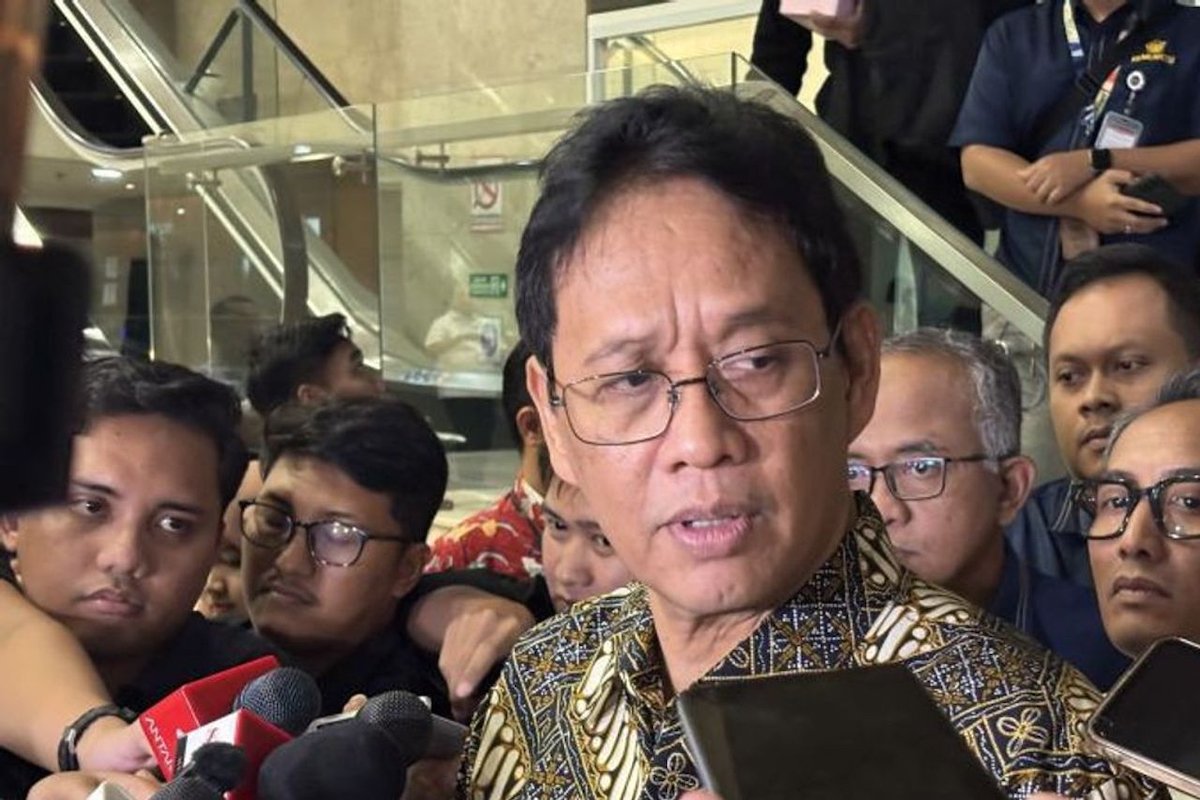
Indonesia's finance chief recently returned from Beijing with symbolic gains but a reality check, as we covered in this analysis. The country's nickel cartel dream is not yet dead, but the technological and market forces arrayed against it are formidable. The question now is whether Jakarta can adapt its strategy before the window of opportunity closes.