On May 12, 2026, the China Chamber of Commerce in Indonesia took an unusual step: it published an open letter to President Prabowo Subianto, airing grievances about stringent regulations, arbitrary enforcement, and corruption by state officials. The letter, reported by Reuters, Singapore's Lianhe Zaobao, and Indonesia's Tempo, marked a departure from the usual quiet diplomacy Chinese investors have long favored in Jakarta.
The move signals growing frustration among Chinese enterprises, which have faced years of shifting policies and conflicting signals from the government. Recent measures—including lower mining quotas, higher export levies, and stricter localization requirements—have squeezed not only Chinese firms but also other foreign players. Japan's Sumitomo Metal Mining has struggled with lengthy permit approvals for smelting projects, while LG Energy Solution's nickel downstream operations have been hampered by quota cuts. Singaporean investors, particularly in resources and energy, are grappling with tougher cross-border foreign exchange rules that delay profit repatriation.
As reported by Nikkei Asia, the Japan External Trade Organization has repeatedly flagged Indonesia's erratic policy landscape. For senior Indonesian business leaders of Chinese descent, the current tightening has revived memories of past social unrest, deepening concerns about investment predictability.
Resource Nationalism on Full Display
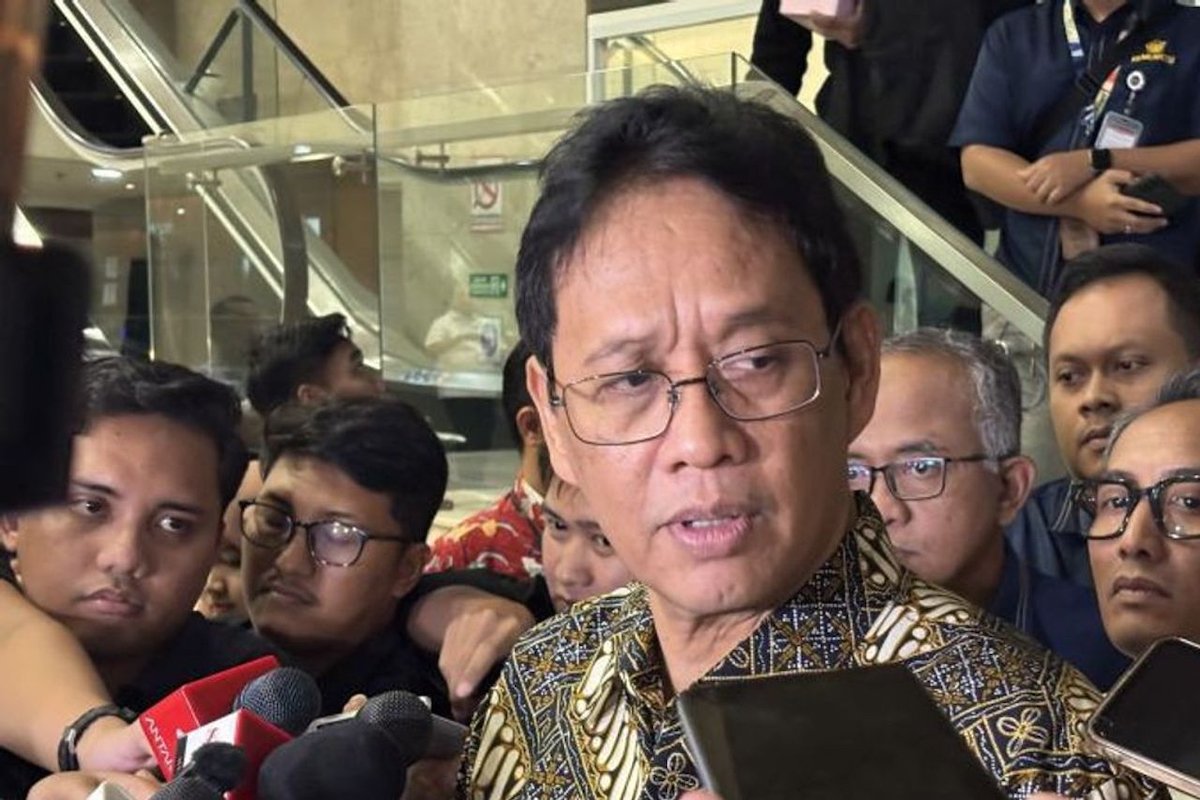
The government's response to the chamber's letter did little to reassure markets. On May 14, Finance Minister Purbaya Yudhi Sadewa declared: "These minerals belong to us. If investors intend to leave, they can seek resources elsewhere." The comment laid bare Jakarta's resource nationalism, prioritizing control over mineral wealth even at the cost of foreign capital.
A day earlier, President Prabowo acknowledged governance flaws in a public address, conceding that lengthy permit procedures and red tape stemmed from bureaucratic misconduct, with some officials demanding bribes. His remarks validated the grievances raised by foreign business groups, but the divergent stances between the president and finance minister exposed policy inconsistencies that have added to market jitters.
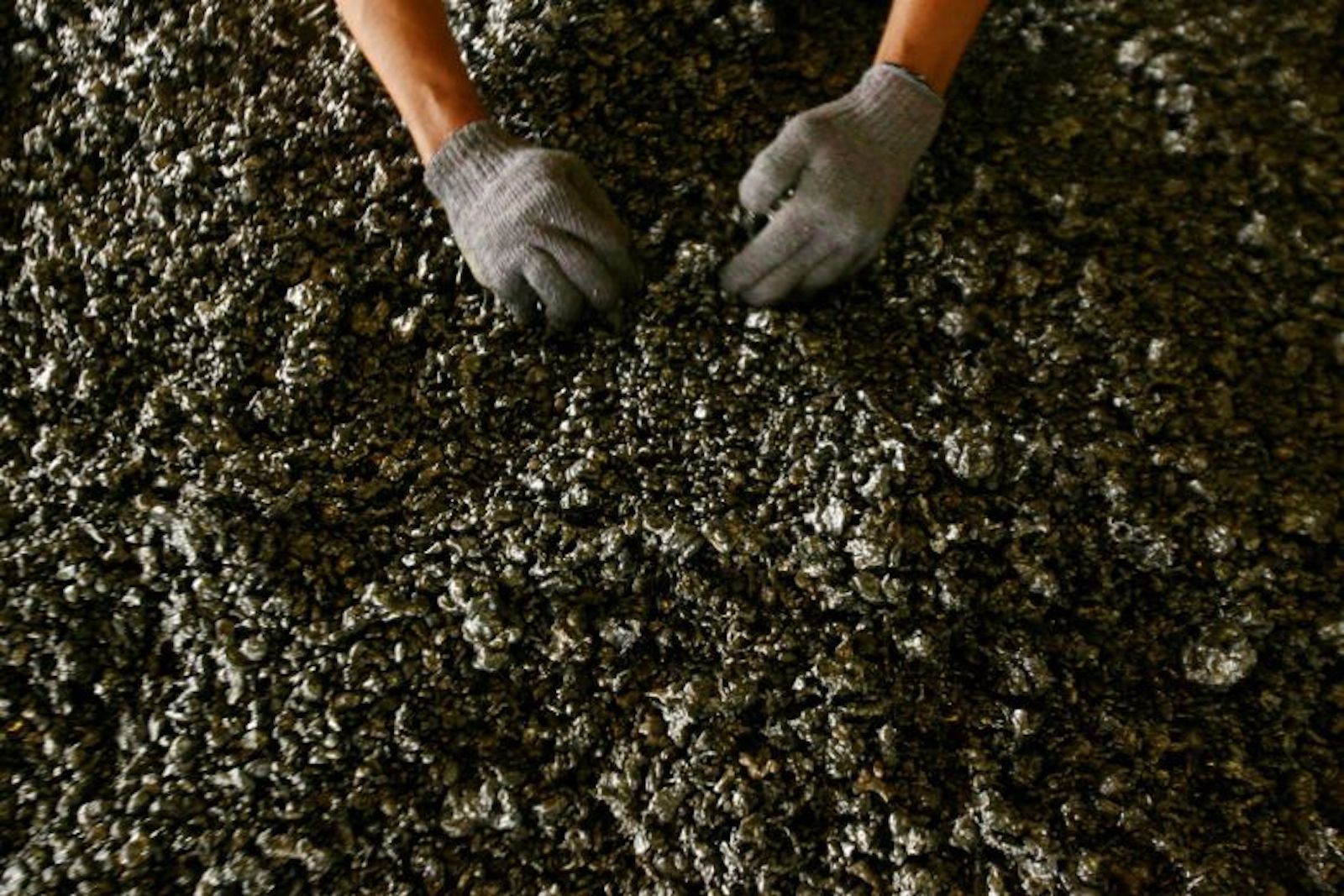
Since early 2026, Indonesia has pursued aggressive supply-side curbs in the nickel sector. The country cut its 2026 nickel ore production quota from 379 million tonnes to 250 million tonnes—a 34% reduction—and raised royalty rates for low-grade ore from 17% to 30%, while introducing new taxes on associated cobalt, iron, and chromium. On April 15, the new royalty rate took effect, prompting major Chinese-backed producers like Tsingshan Group and Huayou Cobalt to scale back output in early May.
The trend has dragged down operating rates across Indonesia's nickel smelting industry. Investor sentiment is reflected in the rupiah's performance: since early 2026, the currency has depreciated sharply against the US dollar, breaching 18,000 in June—a historic low below the level seen during the 1997-98 Asian financial crisis. In March, Fitch Ratings revised Indonesia's sovereign credit outlook from stable to negative, citing weakened policy credibility and growing uncertainty.
Nickel OPEC Dreams Fade
Facing an industrial slowdown, Indonesia sought to build regional dominance through alliances. On May 7, during the ASEAN Summit in Cebu, the Indonesian Nickel Miners Association and the Philippine Nickel Industry Association signed a memorandum of understanding to launch the Indonesia-Philippines Nickel Corridor. The two nations hold over 70% of the world's nickel reserves and aimed to create a mechanism akin to a "nickel OPEC" to coordinate supply and pricing.
But the partnership quickly unraveled. Conflicting commercial interests and shifting geopolitics—particularly the deepening US-Philippines alliance—left Manila with little incentive to align with Indonesia's Chinese-capital-dependent nickel downstream ecosystem. Throughout May 2026, the Philippines accelerated approvals for new mining rights and expanded production capacity, prioritizing near-term economic gains. Most Philippine nickel ore is shipped to China, with only a small volume supplied to Indonesia.
The breakdown underscores a broader challenge for Jakarta: its resource nationalism may alienate the very investors needed to build a downstream processing industry. As Chinese firms push back publicly and the rupiah slides, Indonesia's nickel strategy appears increasingly fragile. For a deeper look at how China's economic dynamics affect the region, see China's Deflation Exit Hinges on Housing and Reforms, Japan's Experience Shows. Meanwhile, the broader trend of state interventionism in Southeast Asia raises questions about the future of foreign investment, as explored in Indonesia and China Forge Path for Local Currency Finance in Asia.