The dust has settled on Chinese President Xi Jinping's June 2026 summit with North Korean leader Kim Jong Un in Pyongyang, but the most telling detail was what Beijing left out. Chinese official readouts made no mention of denuclearization—a striking omission from a country that had long championed a nuclear-free Korean Peninsula. This signals a quiet but consequential shift in Beijing's policy, one that aligns with a broader international reality: the decades-long effort to strip North Korea of its nuclear weapons has effectively failed.
In early 2026, I conducted a survey and focus groups involving over 70 international nuclear weapons experts. I asked them to forecast the probability of six hypothetical nuclear scenarios by 2035. The results were stark. North Korean denuclearization ranked dead last, with experts assigning it only a 3% chance. By contrast, they gave North Korea a 70% probability of achieving a nuclear second-strike capability against the United States—and a 40% chance that Japan or South Korea would acquire their own nuclear weapons in response.
How the Denuclearization Drive Collapsed
North Korea's nuclear ambitions took root in the 1990s, driven by the collapse of its Soviet patron and the unresolved status of the Korean War, which ended without a peace treaty. Initial international efforts focused on diplomacy, but those broke down amid North Korean cheating on interim agreements and a series of provocations, including its withdrawal from the Nuclear Non-Proliferation Treaty and repeated nuclear and missile tests.
By the 2000s, the strategy shifted to economic coercion. Even Russia and China—North Korea's traditional allies—joined a United Nations sanctions regime aimed at compelling Pyongyang to give up its weapons. But the sanctions never reached their full potential. By the late 2010s, Moscow and Beijing had withdrawn their support, using their Security Council vetoes to block new resolutions and providing economic lifelines through lax enforcement along the border. Russia even resorted to state-sponsored sanctions violations, procuring North Korean arms and soldiers for its war in Ukraine.
The United States tried to fill the gap with autonomous sanctions, cutting off U.S. market and financial system access for foreign entities trading with North Korea. But these measures were also undermined. Washington avoided politically and economically challenging sanctions against Chinese targets, and the first Trump administration scaled back new designations to facilitate its ill-fated diplomatic outreach to Kim Jong Un. North Korea's sophisticated evasion network—drawing on its merchant fleet, diplomatic corps, overseas workers, and state-sponsored hackers—exploited every gap. The result: North Korea was never pushed to the brink of economic ruin, and it never had to seriously weigh the possibility of foreign military intervention against the certainty of collapse.
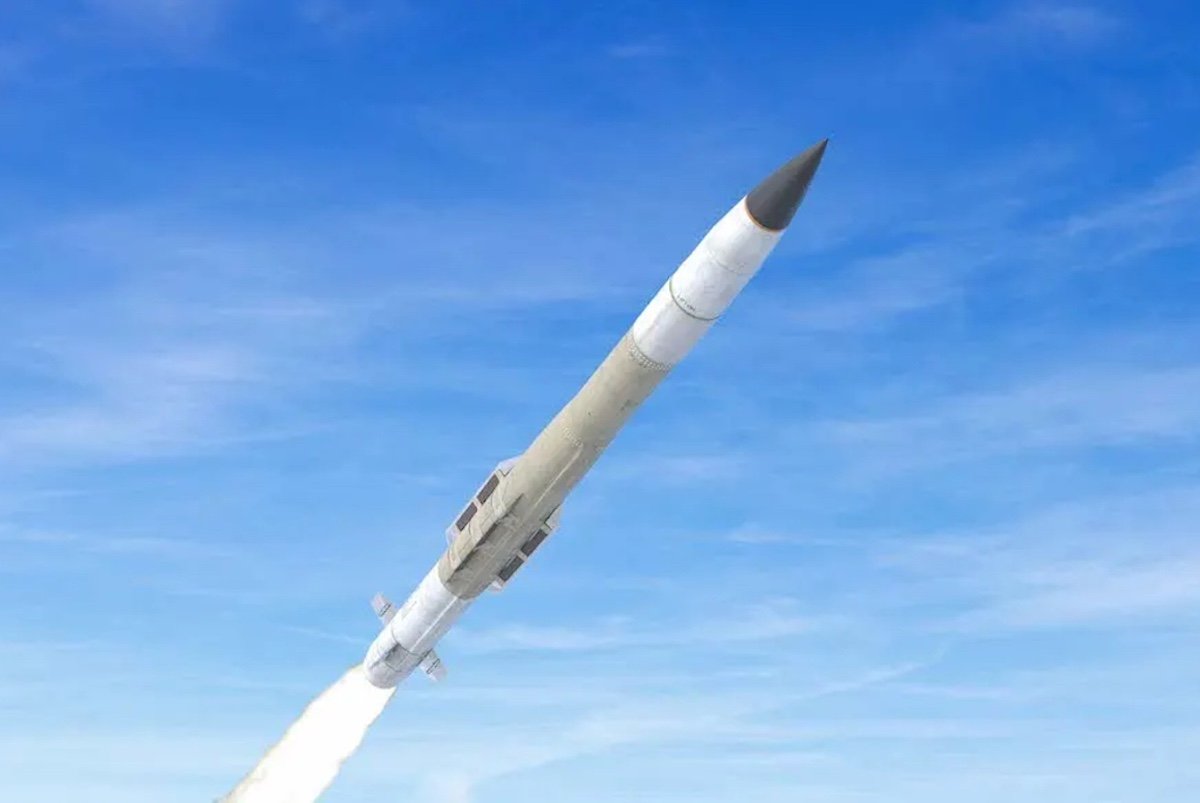
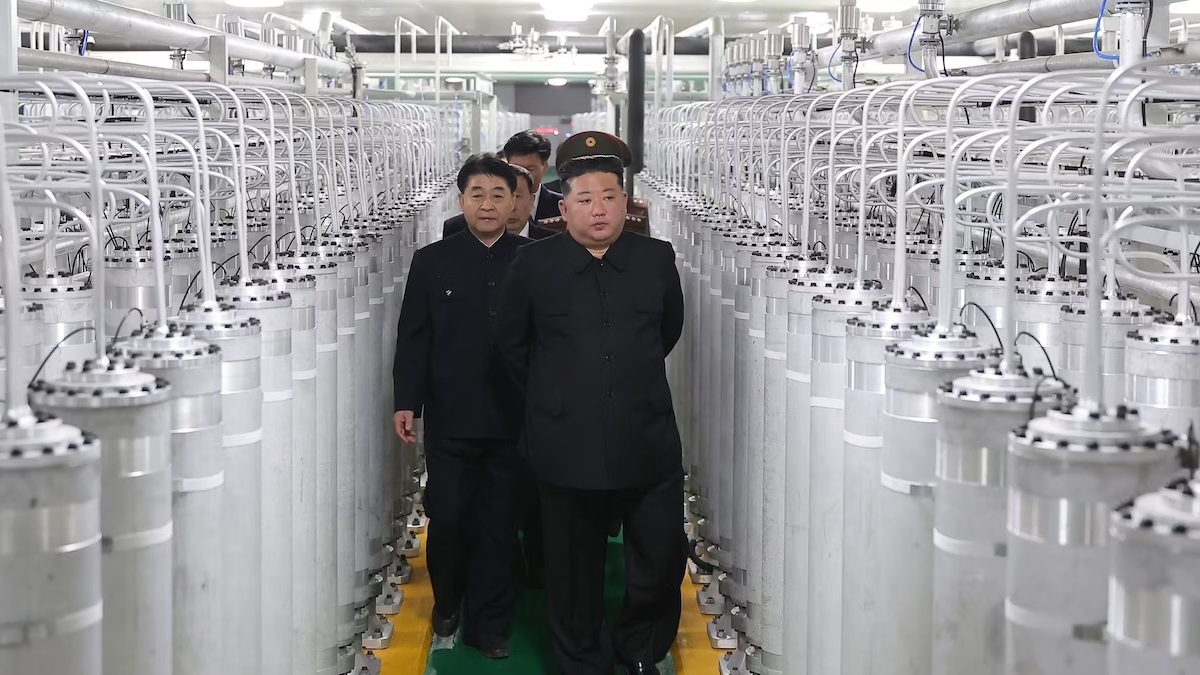
Today, Pyongyang possesses a diversified missile arsenal theoretically capable of reaching the continental United States, along with an estimated 60 nuclear warheads and scalable production capability. The international sanctions regime is compromised, and unconditional engagement is not viable: the Kim regime has staked too much of its legitimacy on the nuclear enterprise.
What Comes Next for the Region
Given this track record, economic sanctions alone will never denuclearize North Korea. The international interventions that toppled Libyan and Iranian leaders—both of whom decided against nuclear weaponization—likely only reinforced Pyongyang's conviction that nuclear deterrence is essential for survival.
The only realistic path now runs through radical political reform: regime change or reunification with the South. As one expert told me, "The only scenario I can imagine in which there are no North Korean nuclear weapons is a world in which there is no North Korea." International stakeholders have few good options for driving this; such demand must come from within.
Rather than directly pursuing denuclearization, the focus should shift to buying time while the regime's vulnerabilities—on succession, elite cohesion, and ideology—fester. This could generate internal demand for radical political reform. Regional states should continue to support economic sanctions to slow North Korean weapons development, while cracking down on sanctions evasion tactics like ship-to-ship transfers of sanctioned goods and remote IT work.
Publicly, regional states should maintain a policy of denuclearization to deny Pyongyang a propaganda victory. But the real work lies in preparing for a nuclear-armed North Korea—and the cascading consequences that could follow, including potential nuclear proliferation in Japan and South Korea. The failure to end North Korea's nuclear program is not just a diplomatic setback; it is a fundamental reshaping of the security landscape in Northeast Asia.