The latest round of US-Iranian strikes near the Strait of Hormuz has reignited concerns about Tehran's long-term ambitions in the waterway. Following an Iranian drone attack on a cargo vessel attempting to transit the strait, both Washington and Tehran have accused each other of violating a 60-day interim peace deal. Since the onset of hostilities with the United States and Israel, Iran has increasingly signaled its intention to make control of the strait a permanent fixture, raising fears it could eventually impose tolls on the roughly 130 ships that pass through daily.
While a guaranteed revenue stream may appeal to Tehran, the region is unlikely to accept such a move. More fundamentally, the plan would not work. The Strait of Hormuz is not a canal.
No Legal Basis for Tolls
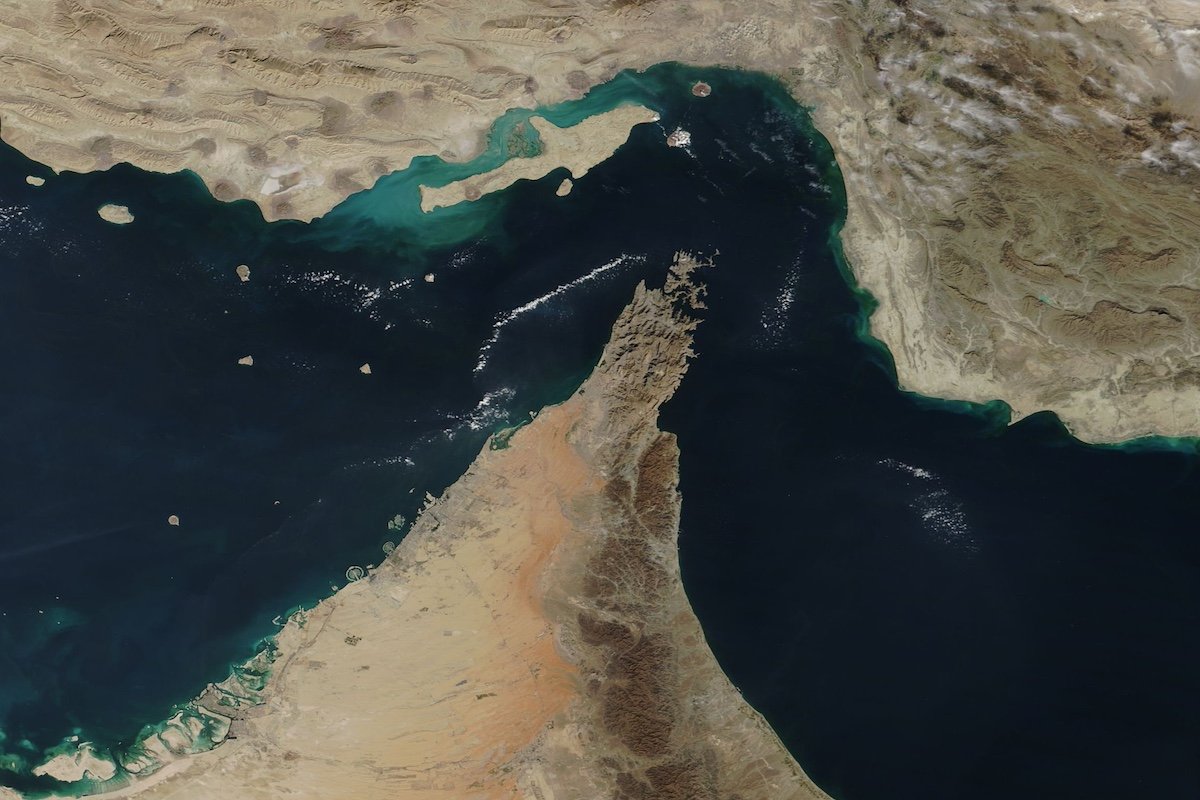
Under the United Nations Convention on the Law of the Sea (UNCLOS), the Strait of Hormuz qualifies as an international strait where all vessels enjoy a right of transit passage that coastal states cannot suspend. Although parts of the strait fall within Iranian territorial waters, the main traffic separation scheme—a set of recommended routes established by the International Maritime Organization—lies within Omani waters. This legal framework makes any unilateral tolling by Iran a clear violation of international law.
The wording of the recent 14-point interim deal has fueled anxiety. It states that Iran will use its "best efforts" to ensure safe passage for commercial vessels "with no charge, for 60 days only," and that future arrangements would be discussed with Oman and other Gulf states "in line with applicable international law and the sovereign rights of coastal states." Yet even this language cannot override UNCLOS provisions. As legal experts note, Iran cannot lawfully impose a toll on transit passage, regardless of the deal's phrasing.
Practical Enforcement Challenges
Beyond legal obstacles, the practical difficulties of enforcing a toll are immense. At its narrowest point, the Strait of Hormuz is approximately 39 kilometers wide, spanning both Iranian and Omani waters. This scale makes it far more challenging to stop, inspect, and control vessels that refuse to pay than in a confined canal like Suez or Panama.
The Suez Canal, for example, is typically around 200 meters wide and operates a tightly controlled convoy system with pilots boarding every vessel. Ships cannot transit without complying with canal authorities and paying tolls. The Strait of Hormuz offers no such natural chokepoint. As one maritime analyst put it, "Imposing a toll is one thing; enforcing it against unwilling ships is another entirely."
During the current conflict, Iran has deterred shipping by attacking more than 40 neutral merchant vessels, killing innocent mariners, and laying sea mines. Commercial traffic has effectively halted for over three months, with severe economic consequences. But such coercive tactics are not sustainable in peacetime. Unless Tehran is willing to continue attacking civilian ships—an approach that would invite diplomatic pressure, sanctions, and criticism from countries including China—it lacks both the incentive and the enforcement mechanism to compel payment.
Leverage vs. Long-Term Control
Iran is using its ability to disrupt shipping as leverage in negotiations, but leverage and long-term control are not the same thing. The precedent of tolling an international strait would alarm not only Gulf states like Oman but also major maritime powers across Asia. As Strait of Hormuz disruptions trigger human security crises across Asia, the region has a direct stake in preserving freedom of navigation.
Shipping companies and states are unlikely to voluntarily accept a permanent toll on transit through an international strait. The issue is not merely cost—it is the dangerous precedent it would set for the governance of straits worldwide. Oman and other Gulf states have already warned that tolling arrangements would undermine free passage and destabilize the global trading system.
In the end, Iran's gambit is doomed to fail. The Strait of Hormuz is not a canal, and no amount of wartime disruption can change that fundamental reality. As the conflict evolves, Tehran may find that its best hope lies not in permanent tolls but in a negotiated settlement that respects international law and the interests of all coastal states.