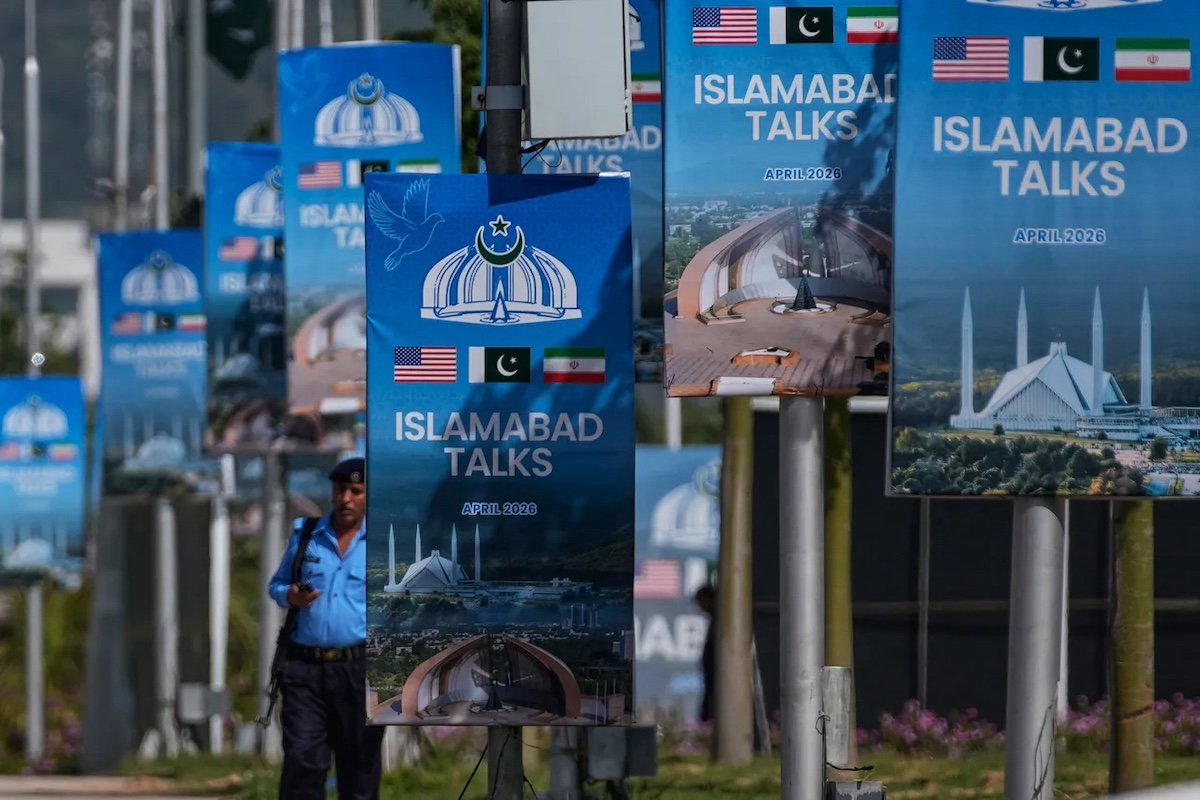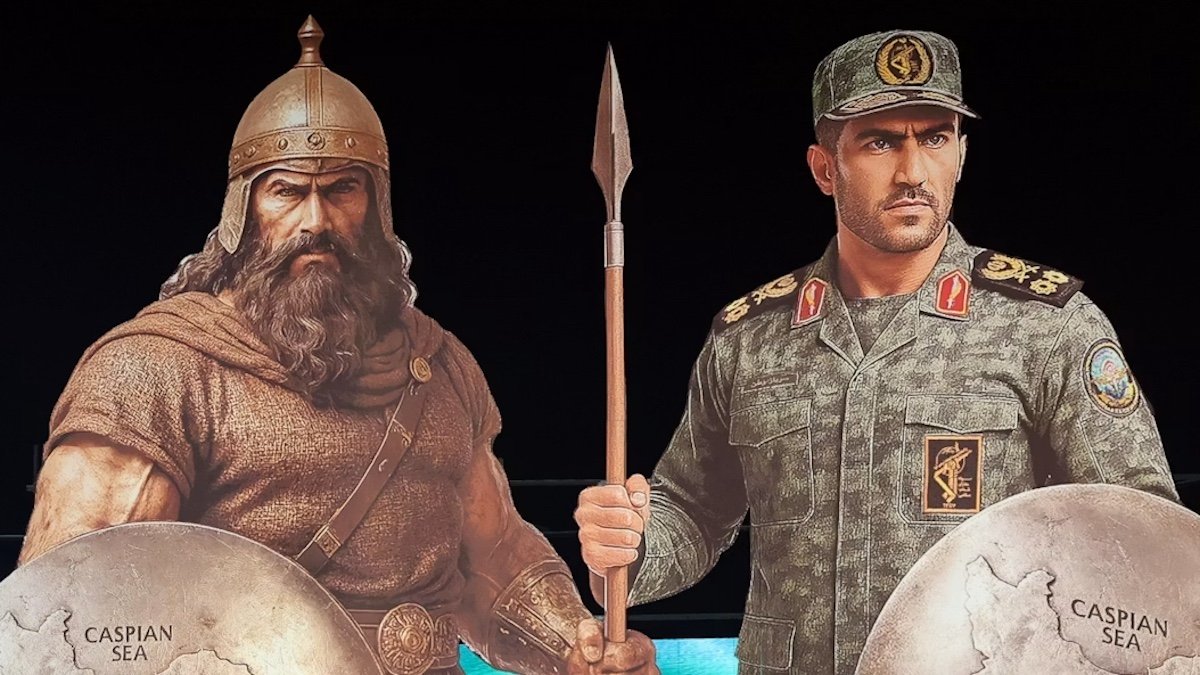
As negotiations between Washington and Tehran continue under a fragile ceasefire, a recent CNN report noted that "making peace with Iran may be just as painful as winning the war." For scholars of ancient Persia—the precursor to modern Iran—the difficulties confronting US President Donald Trump are hardly surprising.
The Roman and Persian empires clashed for over six centuries, from the Parthian era (247 BCE–224 CE) through the Sasanian period (224–651 CE). Their peace deals rarely solved underlying problems; often, they merely bought time before the next eruption of violence.
Ancient Conflicts, Modern Echoes
The first major Roman-Persian war began with the disastrous invasion led by General Crassus in 53 BCE. Crassus died, and thousands of Roman soldiers perished near Carrhae in what is now southern Turkey. That defeat emboldened the Parthians, forcing Rome to accept the Euphrates River as a boundary in a 20 BCE peace agreement—a concession for an empire that had known only expansion.
Conflict flared again in the mid-first century CE over Armenia, a strategic kingdom straddling modern Armenia and eastern Turkey. The Treaty of Rhandeia in 63 CE, struck between Emperor Nero and King Vologases I, allowed the Parthians to nominate Armenia's ruler but required Rome to crown him. It settled the immediate dispute but proved unwieldy. When the Parthians later ignored the treaty, Emperor Trajan invaded in 114 CE, capturing the Parthian capital—only to lose all gains by his death in 117 CE.
After the Sasanians replaced the Parthians in 224 CE, warfare intensified. Armenia remained a flashpoint. Following Emperor Gordian III's death during an invasion in 244 CE, a new agreement imposed financial penalties on Rome and barred its involvement in Armenia. Within years, Rome violated the treaty, triggering devastating Sasanian invasions and the capture of Emperor Valerian in 260 CE.
Rome retaliated in the late 290s with a victory over King Narseh. The Treaty of Nisibis in 299 CE extended Roman power eastward and gave Rome control of Armenia. But it bred deep resentment. When King Shapur II invaded in the 350s, his goal was to repudiate that 60-year-old treaty. Emperor Julian's subsequent invasion ended in his death and a heavy defeat in 363 CE.
Conflict ebbed in the fifth century but surged in the sixth and seventh, with near-constant warfare. Numerous treaties failed; the so-called Eternal Peace of 532 lasted less than eight years. As history shows, peace deals may be celebrated at signing but can sow seeds of discord. The partition of Armenia between Rome and Iran in the 380s took over 400 years and dozens of attempts to achieve.
Today's US-Iran negotiations face similar pitfalls. A framework agreement might offer a pause, but without addressing deeper grievances—like regional proxies, nuclear ambitions, and sanctions—it risks becoming another temporary truce. As the US-Iran Framework Agreement shows, a pause is not a peace. Meanwhile, external shocks—such as Israeli drone strikes in Lebanon—can test any deal hours after signing.
The ancient lesson is clear: peace is harder to sustain than war. Whether Washington and Tehran can break the cycle remains uncertain. Hopefully, it won't take centuries this time.