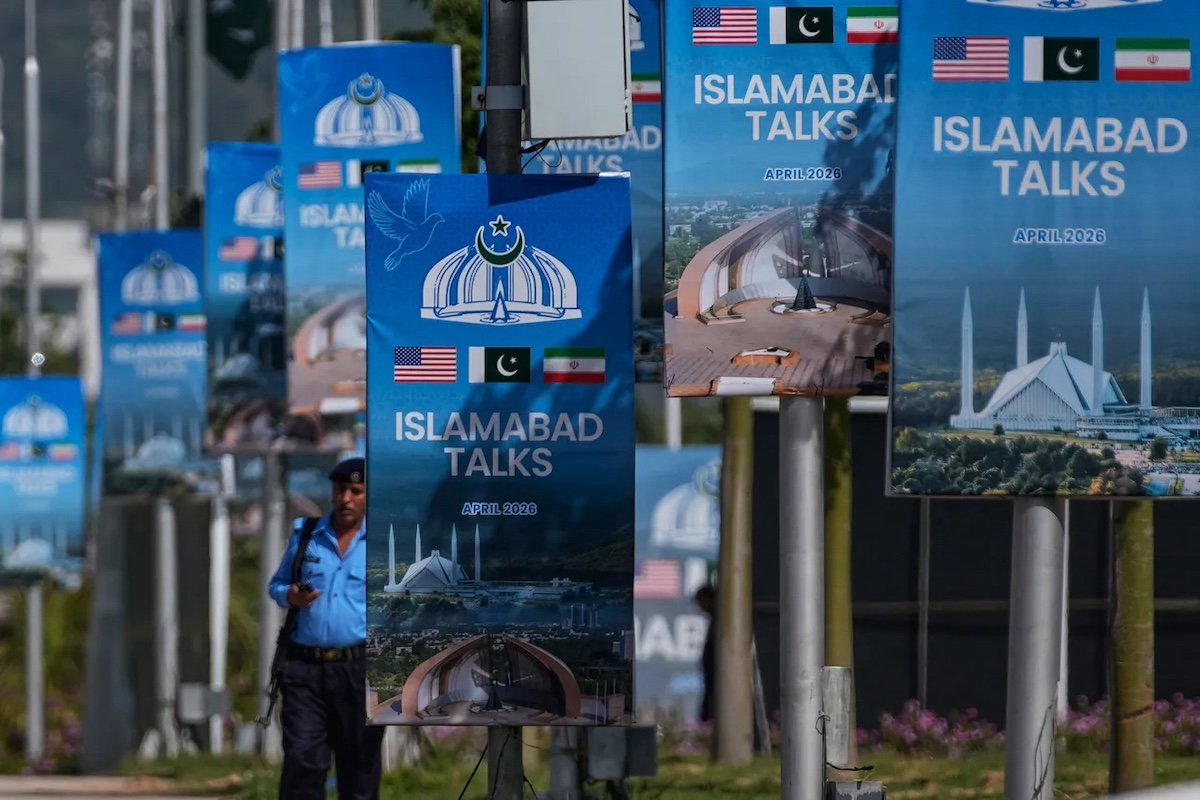
In a dramatic reversal that has stunned allies and emboldened adversaries, President Donald Trump has abandoned the U.S. military campaign against Iran and effectively embraced the Islamic Revolutionary Guard Corps (IRGC), a designated terrorist organization. The IRGC is now reportedly linked to CENTCOM operations in Doha, Qatar, a move that critics say amounts to a sellout of democratic principles and a betrayal of partners like Israel.
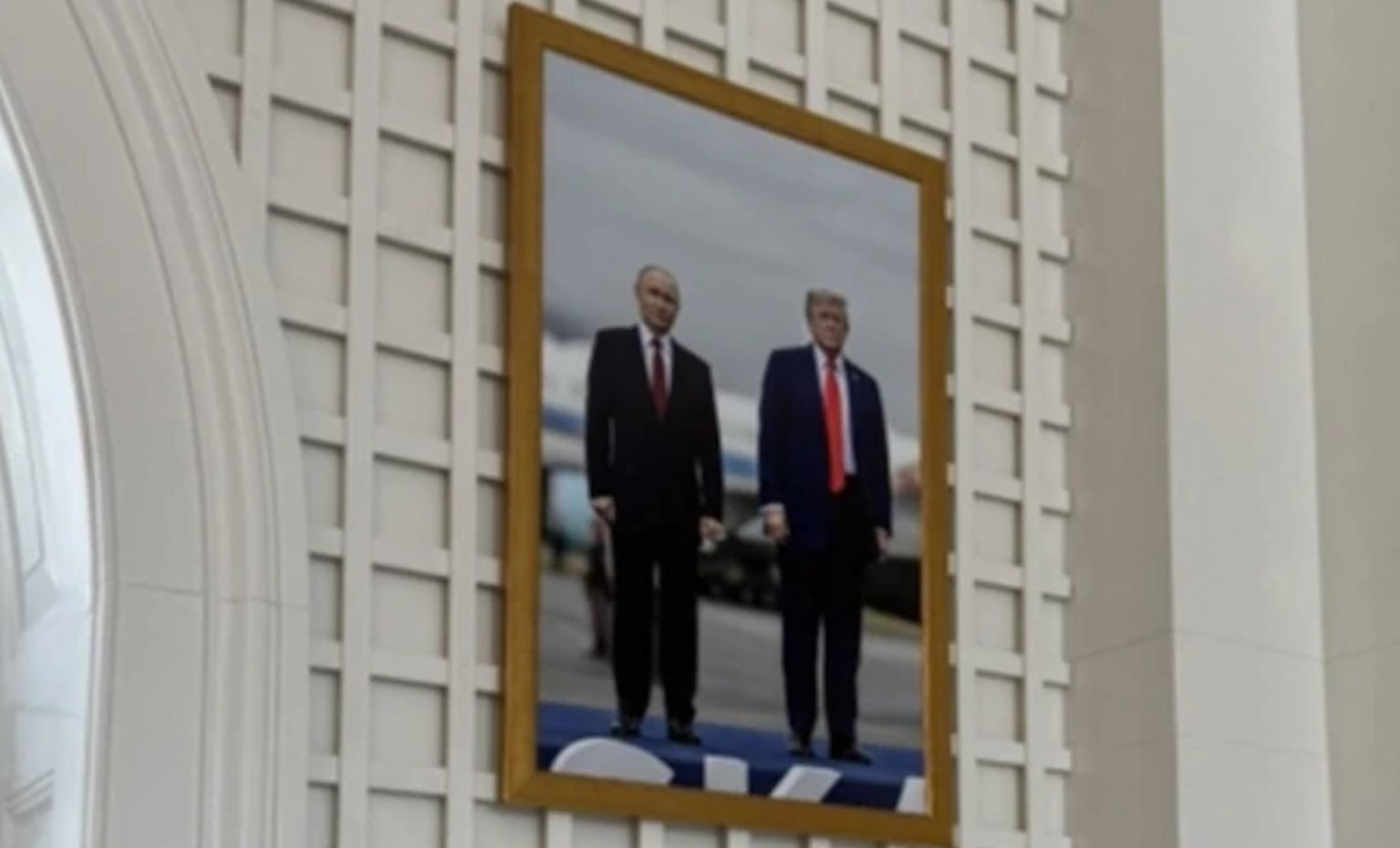
President Trump and Vice President JD Vance have publicly denounced Israeli Prime Minister Benjamin Netanyahu, even as Vance is said to have sponsored the IRGC-CENTCOM connection. This shift has left many in Asia and the wider Indo-Pacific questioning the reliability of American commitments. For decades, the United States positioned itself as a champion of democracy, but this about-face suggests a transactional approach that prioritizes short-term deals over long-term alliances.
Why the Sudden Change?
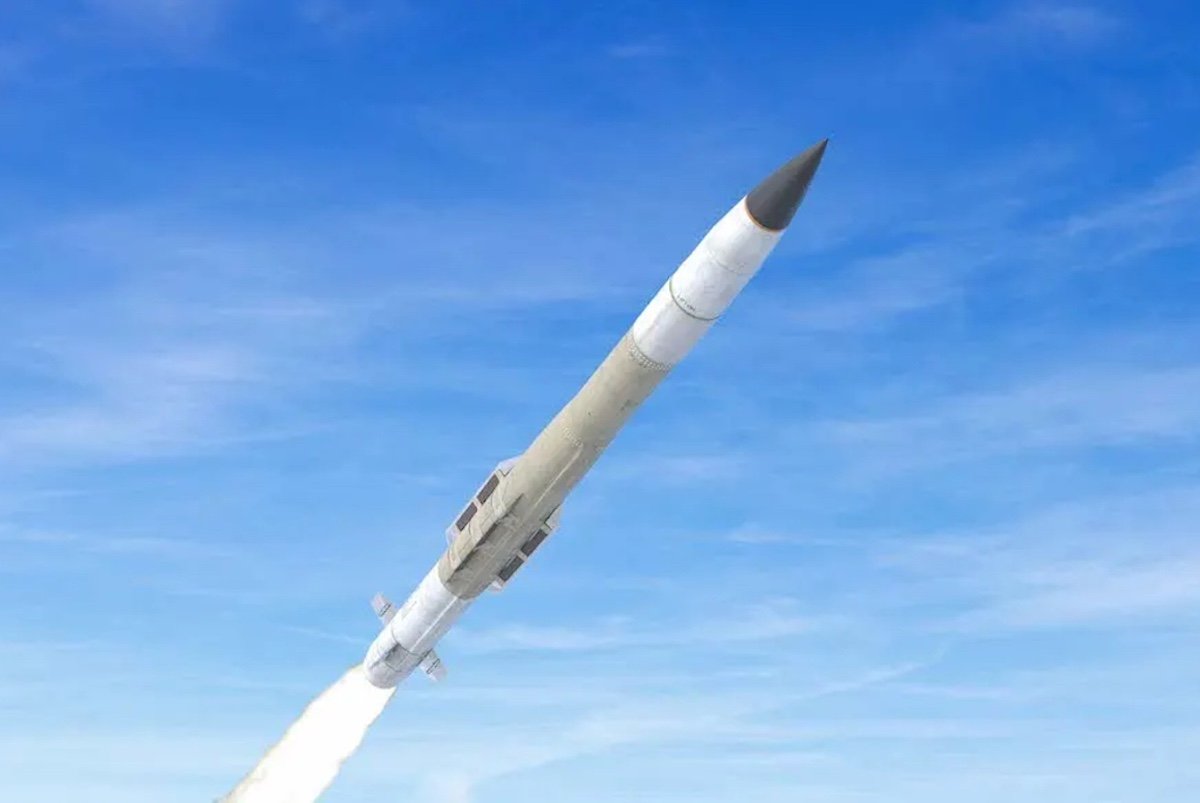
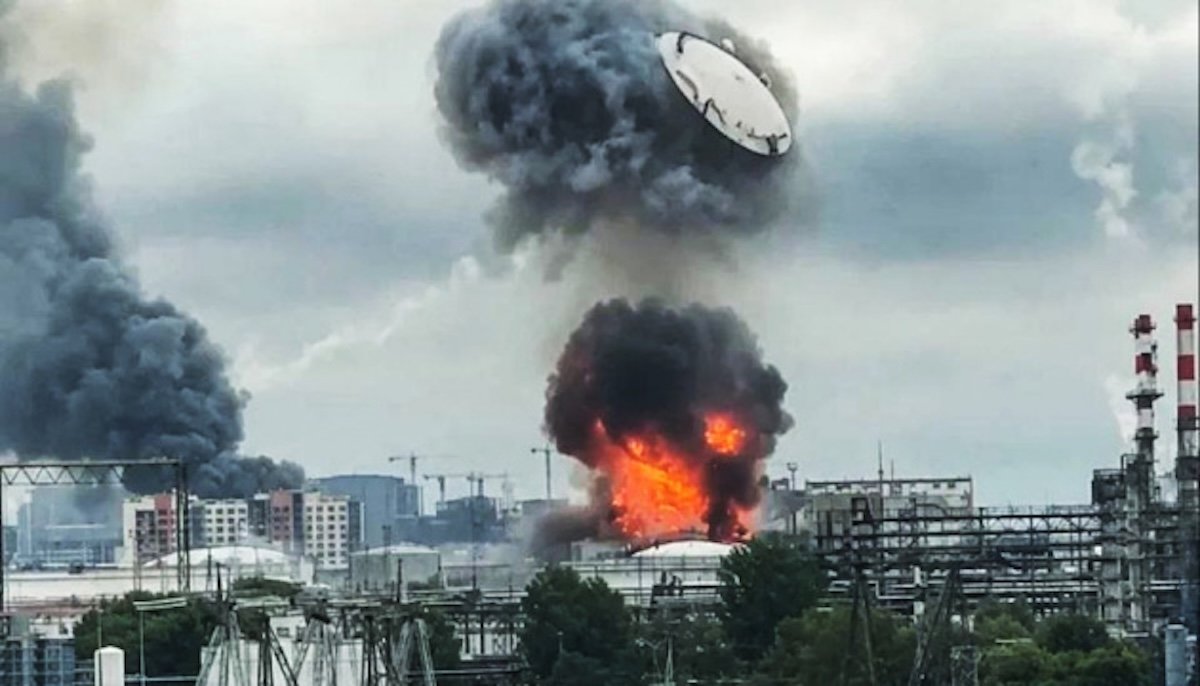
Regional experts and pundits are struggling to explain Trump's decision to abandon the effort in Iran, embrace the regime widely reviled across the Middle East and beyond, and offer billions of dollars in compensation—allegedly for access to Iran's enriched uranium, a prospect Tehran has repeatedly dismissed. Some reports indicate that intelligence from the CIA and Defense Intelligence Agency (DIA) contradicted Trump's public claims of a successful bombing campaign. Despite his assertion that the U.S. had crushed Iran's missile and drone capabilities, intelligence agencies reportedly informed him that further bombing would not significantly alter the strategic balance.
This disconnect between public bravado and private intelligence may have driven Trump to seek a deal. However, the resulting memorandum of understanding (MOU) with Iran has been criticized as a concession that reshapes Asian energy security and undermines U.S. credibility. As detailed in Trump's Iran MOU: A Defeat That Reshapes Asian Energy and Security, the agreement offers Iran significant economic relief with minimal commitments, potentially destabilizing energy markets from Tokyo to New Delhi.
The implications for Asia are profound. Japan and South Korea, heavily reliant on Middle Eastern oil, face uncertain energy supplies if Iran gains leverage. India, which has maintained a delicate balance between ties with the U.S. and Iran, may see its strategic calculations upended. Meanwhile, China, already a major buyer of Iranian oil, could exploit the rift to deepen its influence in Tehran.
Democracy Undermined
The Trump administration's embrace of a dictatorship while spurning democratic allies is not just bad policy—it is destabilizing in the long term. By sidelining Israel and other partners fighting for democratic governance, Washington signals that authoritarianism can be rewarded. This message resonates across the Indo-Pacific, where democracies like Taiwan, the Philippines, and Indonesia watch nervously as the U.S. pivots from principle to pragmatism.
As noted in Trump and Netanyahu at Odds Over Iran Deal as Lebanon Stalemate Deepens, the rift between the U.S. and Israel has deepened, with Lebanon's stalemate further complicating regional dynamics. The deal has also sparked a congressional clash over war costs, as reported in Trump Seeks $87.6 Billion for Iran War Costs, Sparking Congressional Clash, raising questions about fiscal accountability.
For Asian leaders, the message is clear: American commitments are conditional. Prime Minister Fumio Kishida of Japan, President Joko Widodo of Indonesia, and other democratic leaders must now hedge their bets, potentially seeking closer ties with China or other powers. The Trump plan has sold out democracy, leaving a vacuum that authoritarian regimes are eager to fill.
In the long run, this reversal may prove to be a strategic blunder that reshapes the global order. As the U.S. retreats from its role as a democratic beacon, Asia's democracies must brace for a more uncertain and dangerous world.