The clock is running out on a potential US-Iran peace deal, with a memorandum of understanding scheduled for signing in Geneva on June 19. The agreement would extend a 60-day ceasefire and reopen the Strait of Hormuz, a critical chokepoint for global energy supplies. But the deal’s survival is far from assured, as a fundamental clash between the war aims of President Donald Trump and Prime Minister Benjamin Netanyahu threatens to derail it.
For Washington and Tehran, the memorandum also addresses Lebanon. Iran has made its signature contingent on an Israeli commitment to withdraw from territories occupied in southern Lebanon during the recent conflict. Trump has publicly urged Netanyahu to act “more responsibly in Lebanon,” signaling a clear divergence from Israel’s current military posture. Yet Israeli airstrikes on south Lebanon and Beirut continue, and the Israeli military presence remains entrenched, with leaders vowing not to pull back.
The terms of the deal remain confidential until after the signing, but reports indicate that the US would take responsibility for constraining Israeli military activity in Lebanon. Iran, meanwhile, appears to treat the US and Israel as a single adversary in this theater. This dynamic has placed the two allies on a collision course.
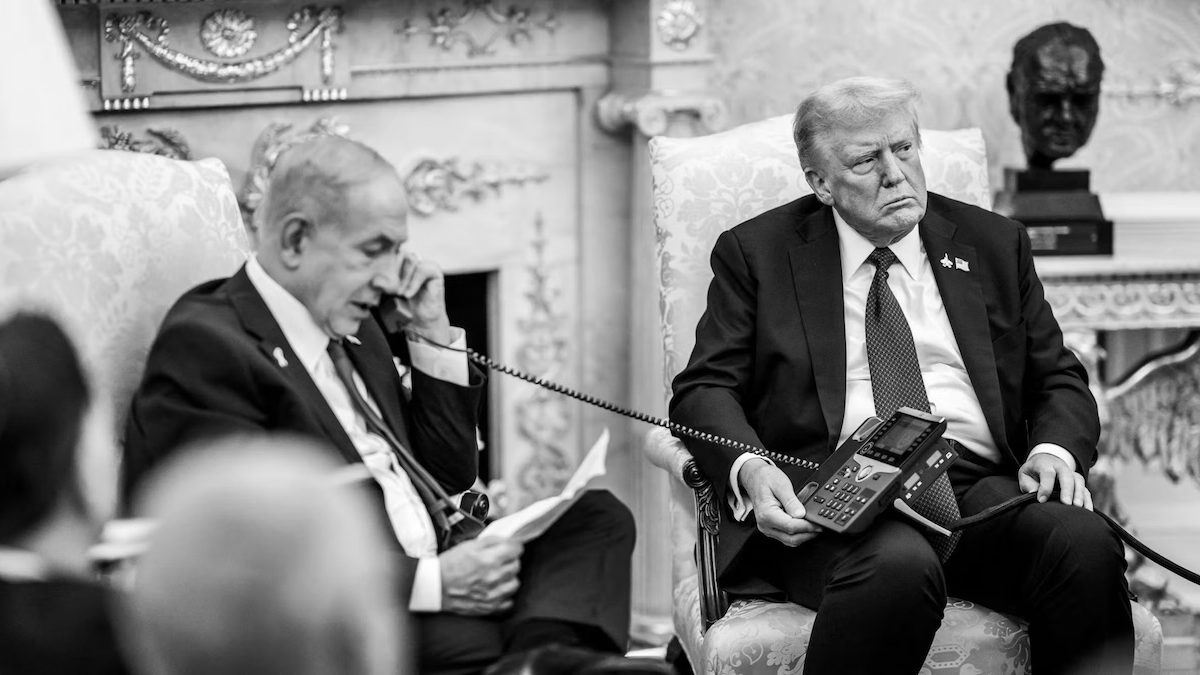
Tensions between Trump and Netanyahu have been simmering for months. In the summer of 2025, an Israeli strike on Hamas targets in Doha, Qatar, provoked White House anger. A leaked image showed Netanyahu on the phone with Qatar’s emir, Tamim bin Hamad Al Thani, while Trump looked on disapprovingly. More recently, Trump vented to Axios on June 14, saying, “Why did BB have to do a fucking attack? I was so pissed off. I let him know he has no fucking judgement.” He later warned Israel on Truth Social not to “blow it.”
Two weeks earlier, a heated phone call between the two leaders was reported by Axios. Trump reportedly shouted, “What the fuck are you doing? You’re fucking crazy. You’d be in prison if it weren’t for me. I’m saving your ass. Everyone hates you now. Everybody hates Israel because of this.”
Strategic Divergence Between Washington and Jerusalem
The personal friction reflects a deeper strategic rift. The US and Israel have long been close partners, but their current goals are in direct conflict. For Trump, securing the memorandum and a final deal with Iran is a top priority—a culmination of his coercive diplomacy, as explored in Trump's Iran Deal: Realpolitik Wins as Coercive Diplomacy Pays Off. For Israel, where public opinion largely supports the war with Iran and Hezbollah, the deal is seen as capitulation, provoking deep anger.
Finance Minister Itamar Ben-Gvir has called on Israel to reject the ceasefire, declaring, “A sovereign state is not a contractor for any superpower. It is not bound by agreements that block its ability to protect its people.” He argued that Israel “must continue to demolish the houses in southern Lebanon” and “continue to be independent.” Defense Minister Israel Katz has vowed that the Israeli military will remain in southern Lebanon and retaliate if Iran strikes Israel in support of Lebanon.
Netanyahu himself struck a defiant tone in a televised press conference on June 15. “We established deep security zones around the state of Israel,” he said. “We did this in Gaza, in Lebanon and in Syria. And I want to make it clear: we will remain in these security zones … to protect our country.” This stance directly contradicts the terms of the memorandum, raising serious questions about the future of US-Israel relations.
The standoff has implications beyond the Middle East. Iran’s leverage in the negotiations has been bolstered by its ability to tie the deal to Lebanon, as detailed in How Iran Turned the Tables on Trump and Israel in the 2026 War. Meanwhile, the reopening of the Strait of Hormuz would have significant consequences for global energy markets, including for Asian economies like China, Japan, and South Korea, which rely heavily on Gulf oil. A collapse of the deal could disrupt these supply chains, as noted in US-Iran Peace Deal Shakes China's Energy Calculus and Geopolitical Position.
The relationship between Trump and Netanyahu is now at a crossroads. Will Trump exert pressure on Netanyahu to halt the bombardment and withdraw from Lebanon, or will he turn a blind eye, risking the deal he so desperately wants? If the US president insists on an Israeli withdrawal, will Netanyahu comply? And what does this mean for their respective electoral prospects—Netanyahu faces a general election by October, while Trump faces mid-term elections in early November?
With the two supposed allies at loggerheads over what their countries want—and, perhaps more importantly, what they themselves want—the survival of the Iran peace deal hangs in the balance. The clock is ticking.