Washington has long cloaked its foreign policy in the language of moral purpose, invoking democracy and human rights as if they were divine mandates. The Trump administration’s recent deal with the Islamic Republic of Iran, however, is a refreshingly transactional affair—stripped of Wilsonian pretense and justified solely on the basis of American interests.
Announced on June 14 with Pakistani Prime Minister Shehbaz Sharif acting as mediator, the agreement commits both sides to an immediate and permanent end to military operations. The Strait of Hormuz, a critical chokepoint for global energy supplies, is set to reopen upon formal signing in Switzerland. Follow-on negotiations over sanctions relief and Iran’s nuclear program are expected to take sixty days.
Critics on the left argue that Trump bombed his way to a negotiating table he could have reached diplomatically. Neoconservative critics on the right lament that he stopped short of regime change. Both critiques contain a grain of truth, but neither captures the essence of what transpired.
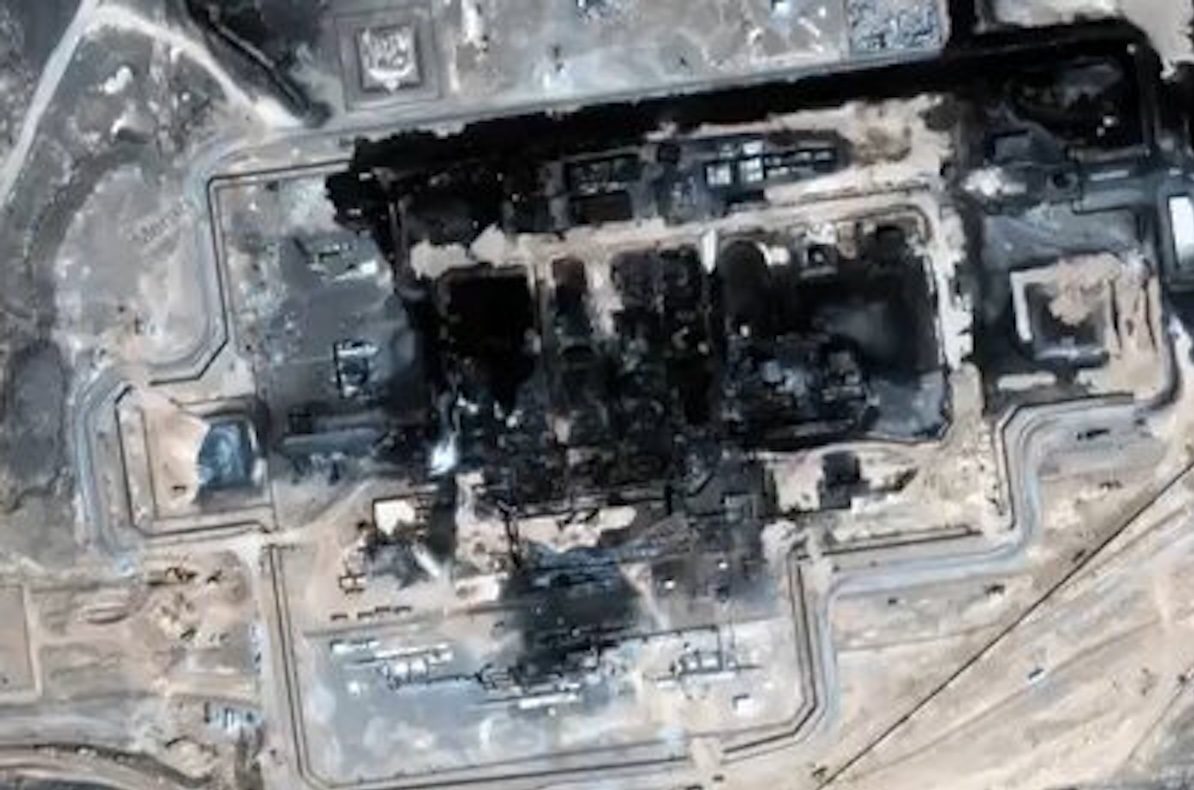
What happened was a classic exercise in coercive diplomacy—the application of military force not as an end in itself, but as a means of altering an adversary’s strategic calculus. US and Israeli strikes in 2025 targeted Fordow and Isfahan, significantly setting back Iran’s nuclear program. The subsequent closure of the Strait of Hormuz disrupted global trade and sent shockwaves through energy markets. Both sides absorbed costs they could not indefinitely sustain. A deal became rational.
A Nixonian Opening, Not a Munich
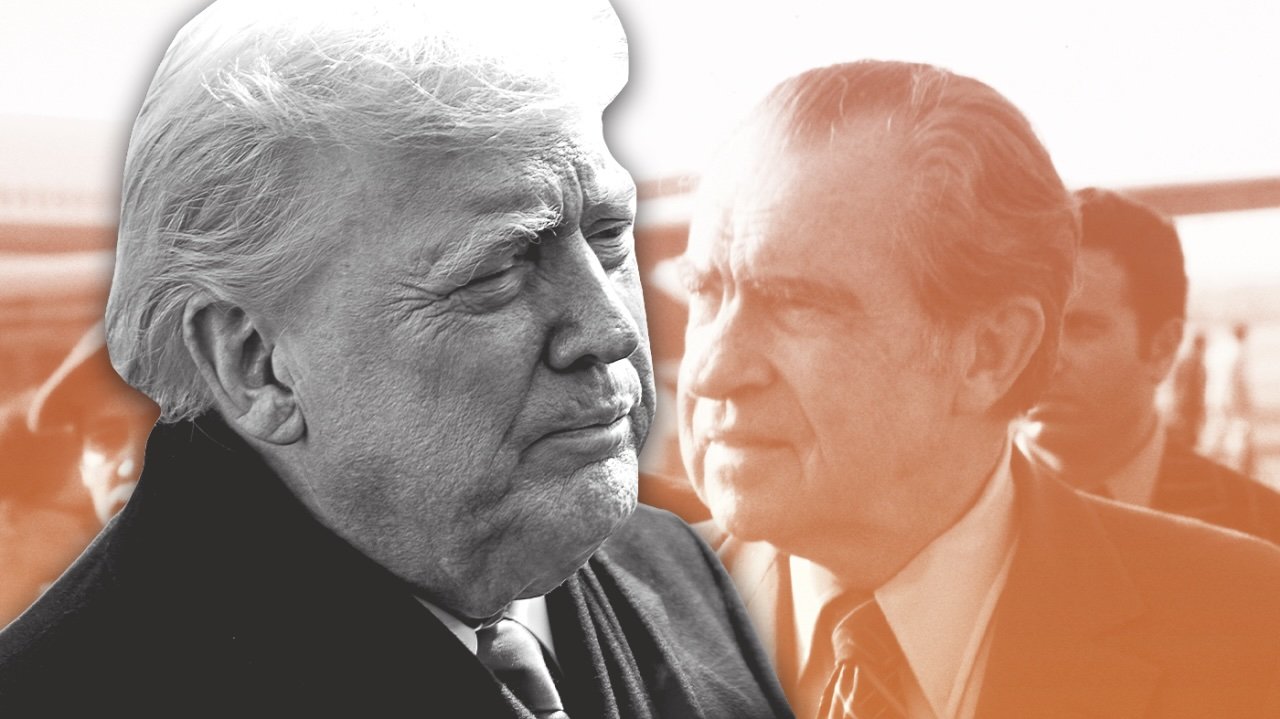
This is realpolitik in its most classical form—not Kissingerian elegance, but the rougher American variant that Nixon might have recognized: leverage applied, concessions extracted, handshakes exchanged, ideology parked at the door. The analogy that comes to mind is not Munich—the inevitable rhetorical grenade that hawks will lob—but rather Nixon’s opening to China. That too was a deal with a regime Washington had spent decades demonizing. That too was denounced by ideological purists. And that too reflected a hardheaded assessment that the alternatives were worse.
One need not celebrate the Islamic Republic to acknowledge that a negotiated settlement of a conflict that was disrupting one-fifth of the world’s oil supply, killing thousands, and straining American alliances across the region is preferable to its continuation. As we noted in our analysis of why Trump pulled back from renewed war with Iran, strategic calculus often trumps ideological consistency.
That said, the realist in me reaches for caution. Neither side has shared the exact terms of the deal. It remains to be seen whether it resolves major differences over Iran’s nuclear and missile programs, the Strait of Hormuz, and Israel’s wars with Iranian proxies. The Iranian side has shown considerable skill over decades at signing agreements, banking concessions, and revisiting compliance at moments of convenience. The Trump administration, for its part, has shown that it prizes announcements over implementation: the signing ceremony in Geneva will be theatrical, whatever the substance.
Then there is Israel. Prime Minister Benjamin Netanyahu has said Israel is not a party to the deal, while stating that he and Trump are in “full agreement” that Iran must not be permitted to obtain nuclear weapons—a formulation that manages simultaneously to endorse the goal and distance itself from the method. The Israelis, who wanted a more comprehensive dismantlement of Iranian power, are reported to view the deal as a deep disappointment. This matters. A deal that leaves Israel feeling strategically exposed creates its own set of pressures on durability.
The broader regional architecture also remains unsettled. Iran’s network of proxies—battered by years of Israeli strikes, weakened by the fall of Assad in Damascus, and stressed by recent events—has not been dissolved by this agreement. The realist knows that power vacuums invite filling. As we noted in our coverage of Israel's strikes on Iran after Trump urged restraint, the region remains a tinderbox.
None of this is reason to condemn the deal. It is reason to be clear-eyed about what it is and what it is not. It is a ceasefire, not a peace. It is a memorandum of understanding, not a strategic settlement. It is a beginning of a negotiation, not the end of one. But sometimes a ceasefire is precisely what the moment requires. The alternative—continued fighting, a closed strait, spiraling energy prices, and the ever-present risk of escalation into something far larger—was not a serious strategic option for a United States that still has other theaters to manage, an economy to tend to, and a China challenge that dwarfs anything Tehran can muster.
Trump’s foreign policy critics have long accused him of having no strategy, only tactics. On Iran, there is something that at least rhymes with strategy: maximum pressure to compel maximum concessions, then a deal when one becomes available. Whether the follow-on negotiations produce durable arrangements on the nuclear question and sanctions relief will determine whether this goes down as a genuine strategic achievement or merely a very loud pause. The Washington foreign policy establishment—wedded to its own form of ideological rigidity, whether neoconservative or liberal internationalist—will struggle to credit this administration with any genuine accomplishment. That is its own form of motivated reasoning. Realpolitik, practiced competently, does not require ideological consistency. It requires a clear view of interests, an accurate assessment of power, and the willingness to seize a deal when it presents itself.