During a bilateral meeting on the sidelines of the NATO summit in Ankara, US President Donald Trump and Ukrainian President Volodymyr Zelensky reached an agreement on Patriot Advanced Capability-3 (PAC-3) missile interceptors. The deal has two components: a political commitment to grant Ukraine a license to manufacture PAC-3 interceptors, and a short-term supply of missiles from US inventory to bridge the gap until Ukrainian production begins.
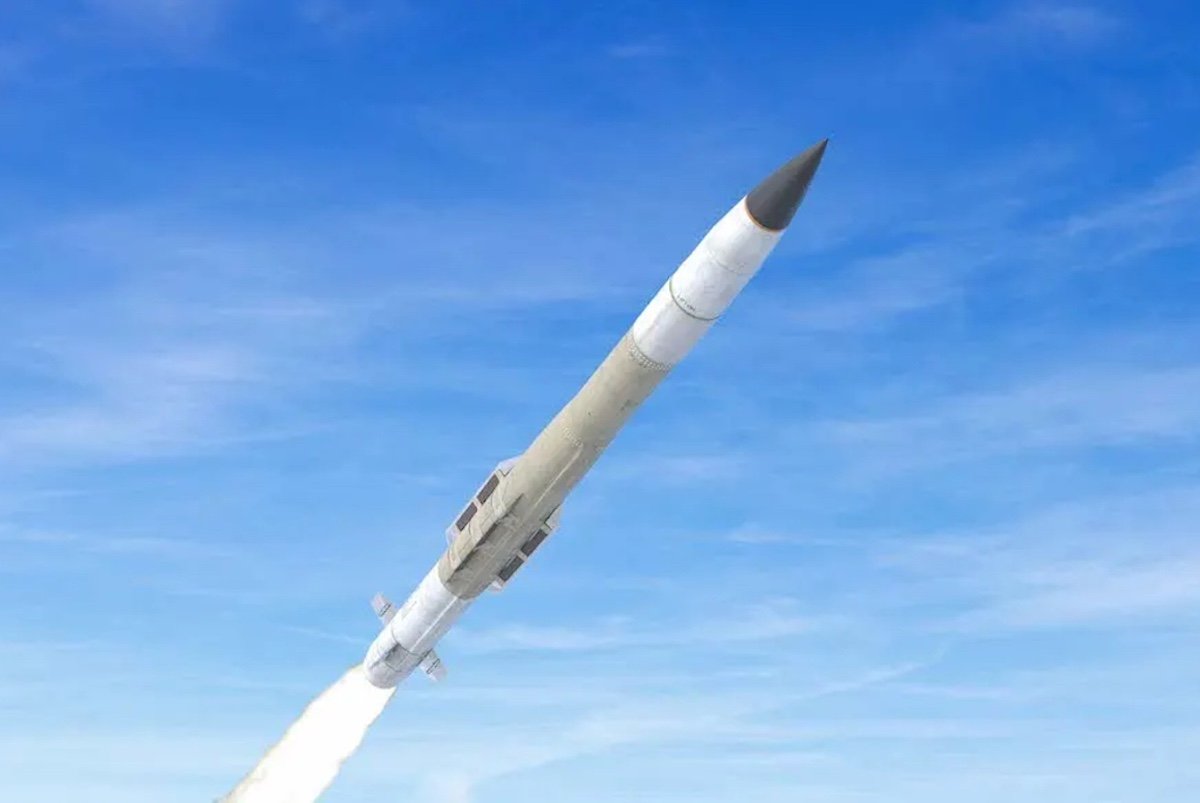
The PAC-3 is the premier hit-to-kill air defense missile used by the US and many of its allies. It played a major role in the conflict with Iran. However, the agreement comes with a critical catch: the US is offering the standard PAC-3 interceptor, not the more advanced PAC-3 MSE (Missile Segment Enhancement) variant. The MSE version features a dual-pulse rocket motor that provides a burst of kinetic energy during the terminal phase, allowing it to pull high-G maneuvers against actively evading or high-velocity threats. It is designed to defeat more complex tactical ballistic missiles and hypersonic threats.
Production Bottlenecks and Supply Chain Risks
The US is struggling to manufacture enough PAC-3 missiles, both standard and MSE variants. The US Army requested an unprecedented 2,798 PAC-3 MSE interceptors and the Navy an additional 405 modified variants for AEGIS ships in the FY 2027 Budget Request. There are serious questions about whether these targets can be met. Lockheed Martin, the license holder, depends on some 400 suppliers, including Boeing for the sensor package and Rocketdyne for the rocket engines. Even without supplier problems, it takes Lockheed two years to manufacture a single missile.
Currently, the only licensed production of PAC-3 missiles outside the US is in Japan, where Mitsubishi Heavy Industries manufactures them. Last year, Mitsubishi delivered 30 PAC-3 MSE interceptors and claims it could increase production to 60, but is constrained by shortages of critical components, especially missile seekers from Boeing. The US has asked Mitsubishi to ramp up to 100 missiles annually, assuming supply chain issues are resolved and the company can expand staff and capacity. However, given that typically two interceptors are fired per target, Mitsubishi's output remains a drop in the bucket against the multiplicity of threats.
Ukraine's own production timeline is even more distant. If Kyiv starts from scratch with a Lockheed license, and possibly receives some priority in the supply chain, it can only hope to begin producing PAC-3 interceptors around 2029 to 2030. Even then, output would likely fall far short of Ukraine's military requirements, especially given the scale of Russian missile and drone attacks. As noted in Ukraine's Drone Campaign Turns Russia's Oil Wealth Into a Strategic Liability, Kyiv has increasingly relied on asymmetric drone strikes to pressure Moscow, but air defense remains a critical gap.
There are also significant risks. Russian penetration of manufacturing know-how, theft of critical components, and exposure to attack from Russian missiles and drones are real concerns. Russia has increasingly targeted known Ukrainian defense factories, and a PAC-3 production line would be a prime target. The question of who will pay for the Ukrainian factory also remains unresolved. The Trump-Zelensky agreement did not cover financial issues, but the US is expected to request NATO countries to foot the bill.
Ukraine has few options for sophisticated air defenses. Europe has some systems but in short supply and with their own bottlenecks. There is growing resistance in Europe to part with critical air defenses, especially as the US pulls back from its NATO defense responsibilities. Other potential sources include South Korea, but its own production capacity is limited. The broader context of the Indo-Pacific is also relevant: as China's Sea-Skimming Hypersonic Missile: Ambition Meets Physics highlights, the proliferation of advanced missile threats is a global challenge, and the US and its allies are struggling to keep pace.
The US inventory of PAC-3 missiles is classified, but defense specialists estimate it at around 2,000 to 2,500 units. Given the large numbers fired in the Iran conflict and Ukraine's use of Patriots against Russian attacks, the US cannot significantly augment its inventory before 2028 at the earliest, and more likely not until 2030. The deal with Ukraine, while politically significant, underscores the deep structural challenges in producing advanced air defense systems at scale.