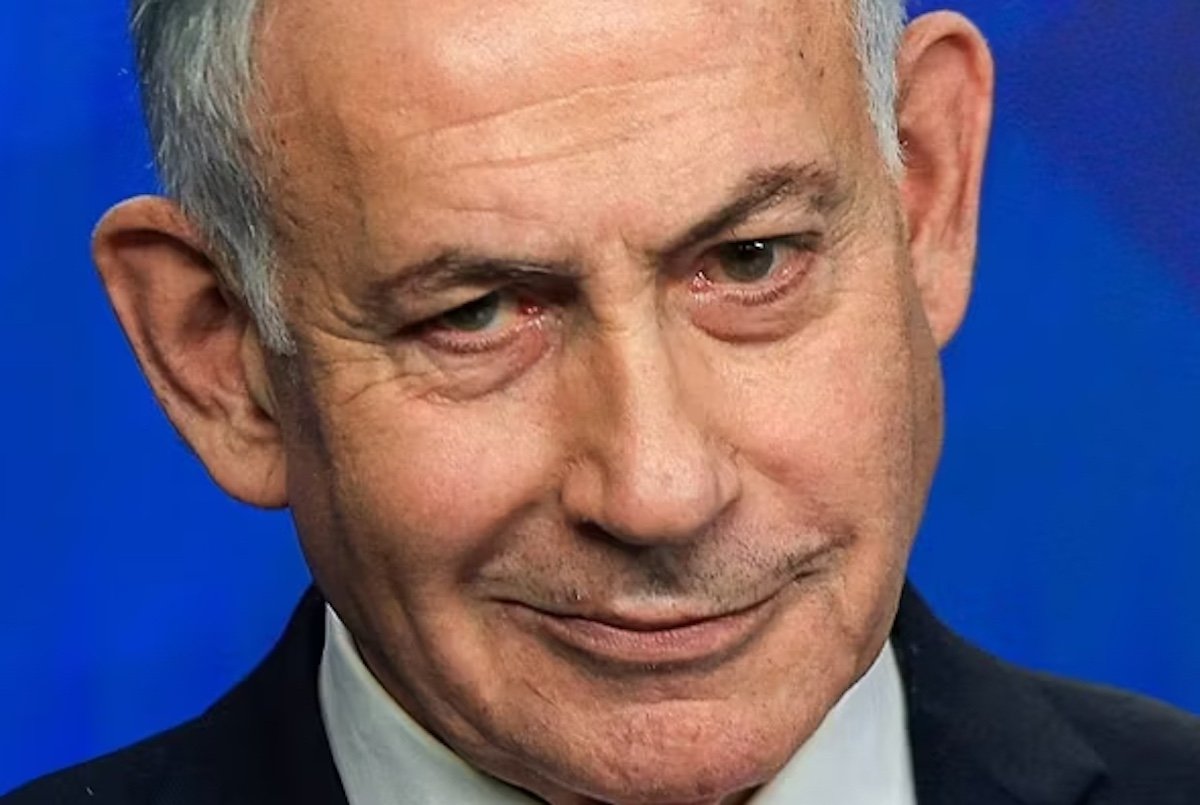
When Israeli Prime Minister Benjamin Netanyahu addressed a joint session of the US Congress in July 2024, he boasted that his country was fighting and winning on seven fronts. He framed Israel's military operations—including devastating strikes in Gaza and Lebanon, the assassination of Iranian leaders, and the occupation of parts of Syria—as a defense of Western civilization against Eastern barbarism. The speech drew standing ovations from Republicans and many Democrats, with only a handful of lawmakers protesting. Vice President Kamala Harris offered a mild rebuke, but no substantive action followed.
This pattern is not new. Over the past five US administrations, from Bill Clinton to Donald Trump, Washington has consistently refrained from imposing meaningful costs on Israeli actions. Clinton called Netanyahu impossible; Barack Obama deemed him incorrigible; Trump expressed frustration in crude terms. Yet none took firm steps to halt settlement expansion in the West Bank, curb military operations, or enforce agreements. The result has been a steady emboldening of Israel's hardline right, which now dominates the country's political landscape.
Beyond Netanyahu: A Systemic Problem
It is tempting to attribute Israel's aggressive posture solely to Netanyahu, but the reality is more structural. Opposition leaders who may succeed him—including those from self-described liberal parties—have criticized his ceasefires in Gaza and Lebanon as displays of weakness. They have denounced the US-Iran peace agreement as a threat to Israel's military gains, with one prominent contender warning it could erase all achievements against Tehran. In the next election, the main challengers are positioning themselves as more hawkish than Netanyahu on Palestinian issues and regional wars.
This consensus reflects a political culture that has gone off the rails, as Dr. James J. Zogby, president of the Arab American Institute, argues. Israeli governments led by Yitzhak Rabin, Shimon Peres, Ehud Barak, Ehud Olmert, and Naftali Bennett all benefited from US deference, which was justified by fears that pressure would empower extremists. That logic has backfired: hardliners now set the agenda, and even so-called liberals define themselves primarily by opposition to Netanyahu's corruption and religious policies, not by challenging his war strategy.
The Regional Toll
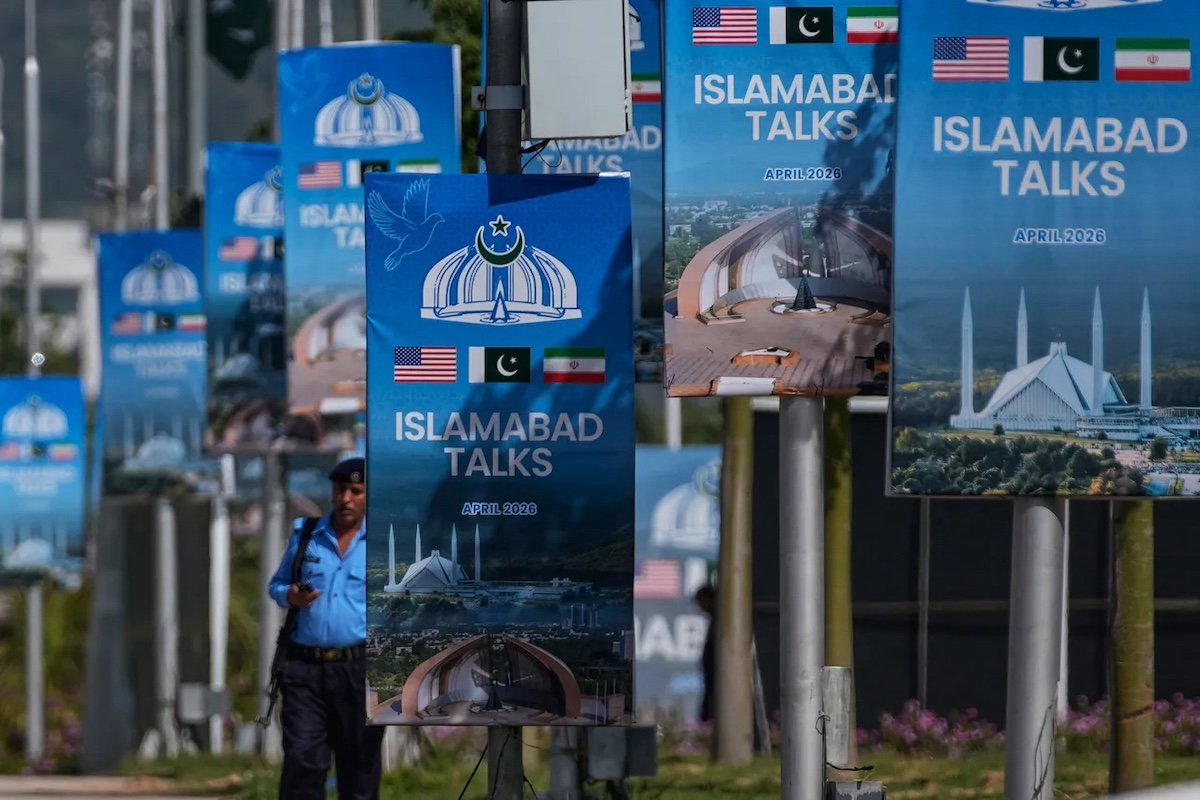
Israel's unchecked actions have destabilized the broader Middle East. In Syria, Israeli forces have occupied territory and deepened sectarian strife. In the West Bank, violent settlers—backed by the military—systematically demolish Palestinian homes and terrorize communities. In Lebanon, Israeli strikes have killed civilians and derailed peace talks. Meanwhile, the Iranian foreign minister has claimed progress in Swiss negotiations, but Israeli actions continue to undermine diplomatic efforts.
The US response remains tepid. Vice President JD Vance's recent rebuke of Israeli critics lacked any threat of policy changes, and his words are likely to be ignored. As Zogby notes, the only way to create a shock that forces a political reckoning in Israel is to end aid and military cooperation. Without such consequences, Israel's rogue behavior will continue to set the region on fire, and Washington will remain complicit.
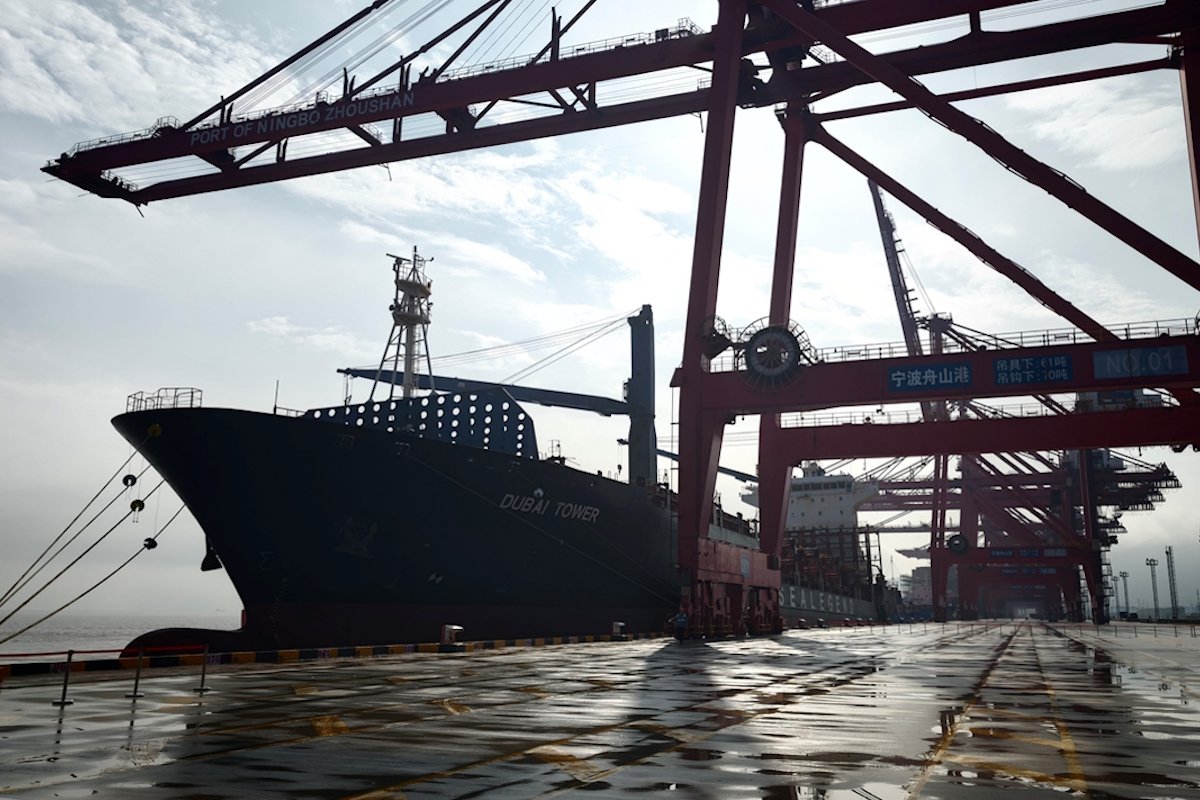
For Asian readers, this crisis has indirect but significant implications. The US-Iran deal has reshaped Middle Eastern dynamics, with Beijing emerging as a key beneficiary. China's growing diplomatic role in the region, coupled with its economic ties to Iran and Gulf states, means that instability in the Middle East affects energy markets and supply chains across Asia. Japan, South Korea, and India all rely on stable oil prices and maritime security in the Persian Gulf. An out-of-control Israel, enabled by US inaction, threatens to prolong conflicts that ripple through the Indo-Pacific.
The lesson for Washington is clear: treating Israel as a special case has failed. Until the US imposes real costs, Israel's political culture will remain unchecked, and the Middle East will burn. For Asia, the stakes are too high to ignore.