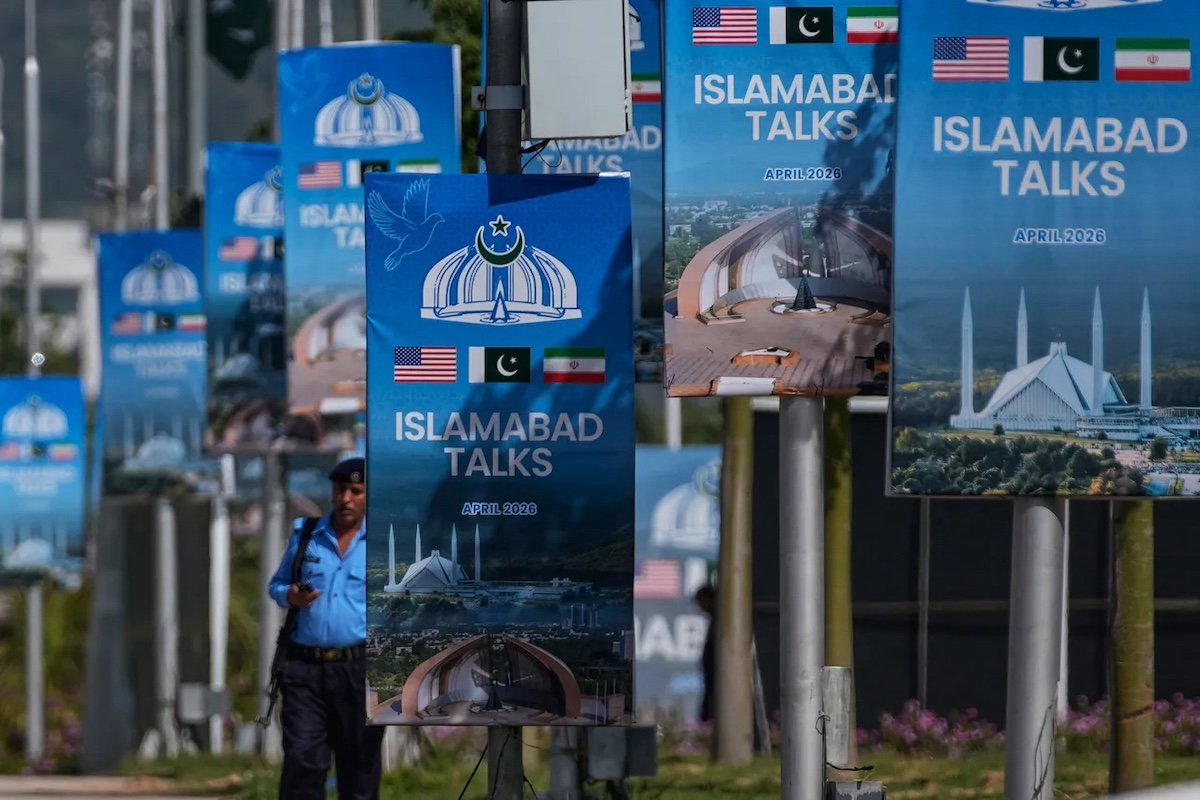
The recent US-Iran peace memorandum, signed in Switzerland, has fundamentally altered the strategic landscape of the Middle East. While much attention focuses on the immediate implications for the United States, Israel, and Iran, the most significant long-term shift may be the region's gradual reorientation toward China. Beijing, already a major energy consumer and investor, stands to benefit from reduced tensions and a diminished American presence.
Israel's Strategic Failure
Prime Minister Benjamin Netanyahu's two-year campaign against Iran—from the bombing of nuclear facilities to the broader conflict that began in February—has failed to achieve its core objectives. Hamas and Hezbollah remain operational, the Iranian regime endures, and Tehran's nuclear program, though damaged, is potentially repairable. The memorandum, which Iran signed without direct Israeli involvement, leaves Netanyahu politically exposed ahead of a general election expected in September or October. Current polling suggests he is likely to lose.
Israel's position is further complicated by the deal's terms, which call for a ceasefire in Lebanon and a 20-point plan for Gaza. Even Hillary Clinton, a longtime Trump opponent, has endorsed the Gaza plan as the only viable option. Yet the question of Palestinian statehood remains unresolved, and Israel's future relationships with the United States and Gulf Arab states are uncertain.
Iran's Calculated Pause
For Iran, the priority is economic recovery. The regime has demonstrated its resilience against external attacks and internal dissent, but it faces a restive population of 92 million. The memorandum allows Iran to resume oil exports, recover frozen assets, and seek sanctions relief. Tehran is unlikely to provoke further conflict in the near term, though it may test the deal's limits by imposing tolls on Strait of Hormuz shipping after a 60-day grace period. Such a move would be shortsighted, as it would push Gulf Arab states to invest in alternative transport routes.
The broader question is whether Iran will eventually resume its nuclear weapons program. The United States has offered incentives and threats to discourage this, but the regime's calculus will depend on its assessment of American resolve and Chinese support. As Beijing's quiet victory in securing energy supplies becomes apparent, Iran may see China as a more reliable partner than Washington.
China's Strategic Gains
China, the world's largest oil importer, has long sought stable energy routes from the Middle East. The US-Iran deal reduces the risk of disruptions in the Strait of Hormuz, through which a significant portion of China's crude oil passes. Moreover, Beijing's diplomatic neutrality and economic heft position it as a natural mediator and investor in a post-conflict region. The memorandum's success could accelerate China's Belt and Road Initiative projects in Iran and the Gulf, further entrenching its influence.
This shift is not lost on other Asian powers. Japan, for instance, is pushing the G7 for rare earth price floors to counter China's dominance, as reported in Japan's strategic move. Meanwhile, India watches closely, balancing its ties with the United States and its energy needs from the Gulf.
Regional Repercussions
The deal also affects Israel's relations with Gulf Arab states. Saudi Arabia and the UAE, which had normalized ties with Israel under the Abraham Accords, now face pressure to support the Gaza plan. The Gulf states see the memorandum as a chance to stabilize the region and reduce Iranian threats, but they remain wary of Iran's long-term intentions. The Israeli drone strikes in Lebanon, which tested the deal hours after signing, underscore the fragility of the peace.
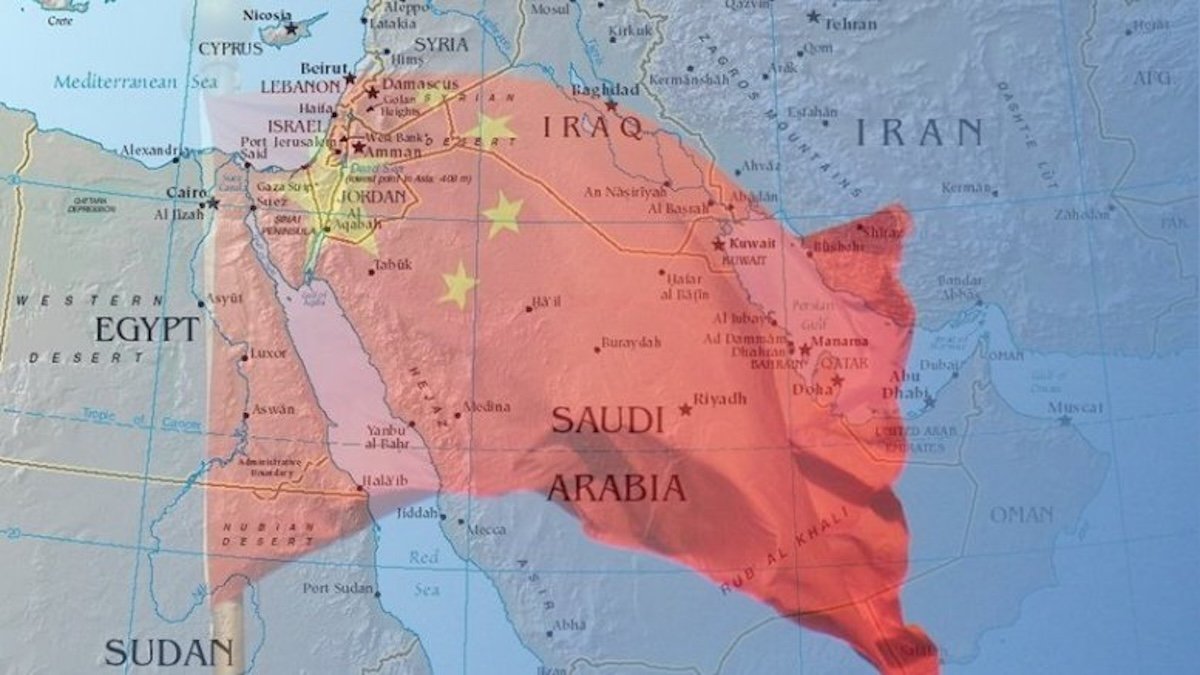
Ultimately, the United States and President Trump have become secondary players. The future of the Middle East will be shaped by the actions of Israel, Iran, and the Gulf states, with China increasingly calling the shots. As the region leans toward Beijing, the implications for global energy markets, security alliances, and the Indo-Pacific balance of power are profound.