The assassination of Ayatollah Ali Khamenei, Iran's supreme leader, along with four family members and other senior officials in coordinated US-Israeli strikes, was intended to spark a popular uprising. President Donald Trump declared to Iranians that “the hour of your freedom is at hand,” while Israeli Prime Minister Benjamin Netanyahu called it “an opportunity that comes only once in every generation.” Yet the outcome has been the opposite of what Washington and Jerusalem envisioned.
Rather than a pro-democracy revolt, the power vacuum was filled by a younger, more hardline faction. Mojtaba Khamenei, the supreme leader's second son—himself injured in the attack—was elected by a unanimous vote of the Assembly of Experts, under pressure from the Islamic Revolutionary Guard Corps (IRGC), with whom he has close ties. According to the Atlantic Council, Mojtaba Khamenei is considered “more hard-line than his father.” A source in Tehran told reporters: “They’ve just killed his family… He’s bloodthirsty now.”
A Funeral That Fueled Revenge
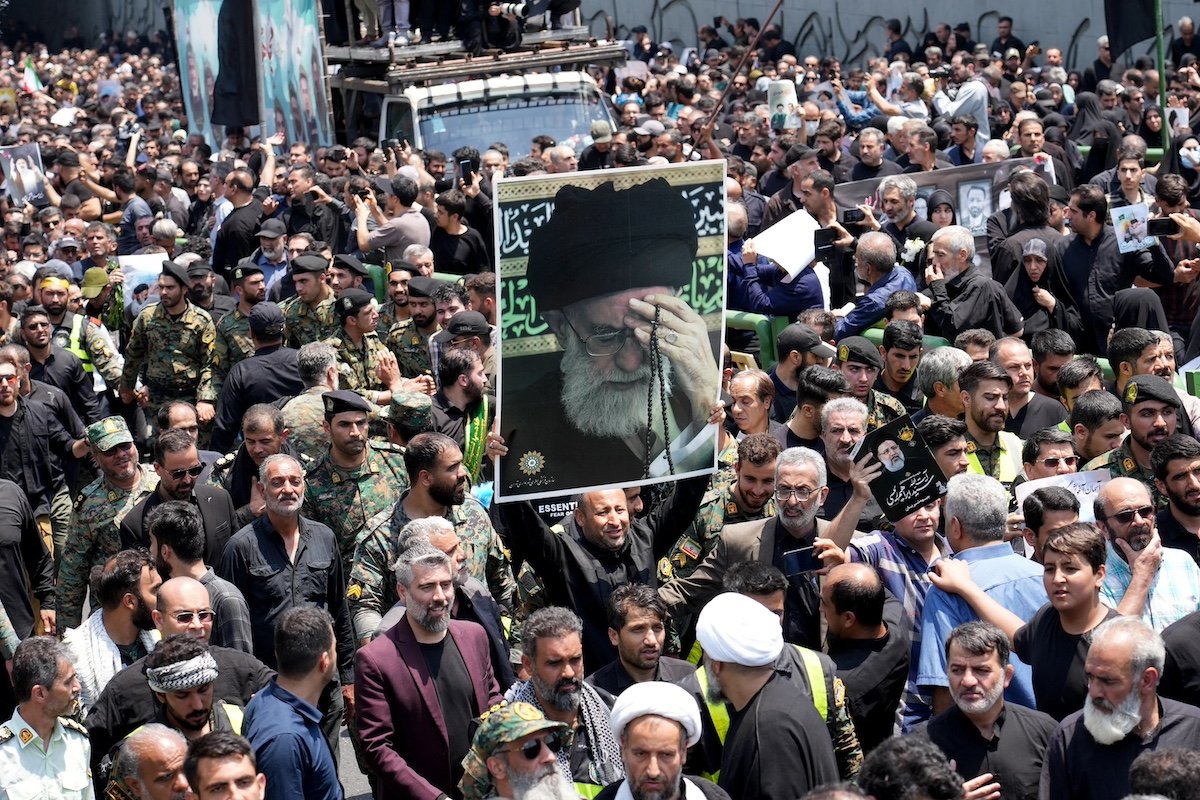
The week-long funeral events, attended by millions, did not channel grief into political change. Instead, they cemented Khamenei’s status as a martyr and ignited a powerful desire for revenge. Mourners waved red flags, chanted “Death to America” and “Death to Israel,” and carried signs calling for the killing of Trump and Netanyahu. Poet Mohammad Resouli declared to thunderous applause: “Why is the most bastard man in the world still alive? The world is no longer a good place for Trump. Why should we not kill the man who killed our imam? It would be a disgrace if we did not.”
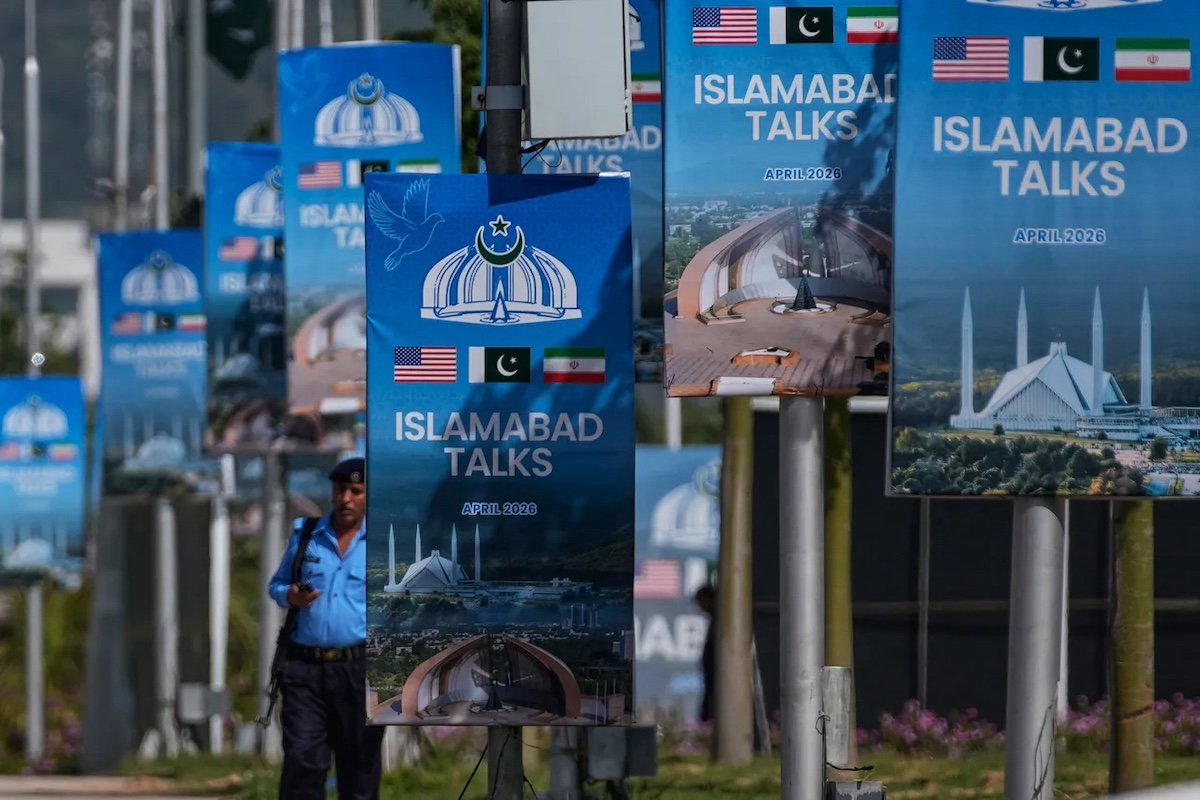
Ultra-hardline politicians have since publicly condemned Iranian officials involved in peace talks, including Parliamentary Speaker Mohammad Bagher Ghalibaf and Foreign Minister Abbas Araghchi. This internal pressure may explain the resumption of Iranian attacks on ships in the Strait of Hormuz in recent days, despite a ceasefire, triggering new rounds of fighting with the US. The region now faces a more aggressive Iran, not a reformed one. For context on how military culture shapes such outcomes, see our analysis: To Replicate Ukraine's Drone Success, Asia Must First Change Its Military Culture.
Legal and Normative Fallout
The strikes violated international law, failing to meet the self-defense requirements of Article 51 of the UN Charter and breaching Article 2(4), which prohibits the threat or use of force against the territorial integrity of any state. They also broke a long-standing international taboo against the assassination of leaders. Trump himself told The New York Times in January: “I don’t need international law,” arguing his power is limited only by “my own morality, my own mind.”
Domestically, the operation violated Executive Order 11906, signed by President Gerald Ford in 1976, which bans US government employees from engaging in political assassination. Presidents Jimmy Carter and Ronald Reagan broadened the ban to cover all assassinations. Columbia University historian Timothy Naftali warned that “as killing foreign leaders gets easier for us, harming our leaders also presumably gets easier for others.” He argued that the taboo against foreign political assassinations has had a stabilizing effect, and breaking it risks retaliation against US and Israeli leaders.
Luca Trenta and Arturo Jiminez-Bacardi, in their analysis of the Khamenei killing, called for a congressional investigation and a statutory ban to “unambiguously prohibit and criminalize assassination once and for all.” The erosion of such norms, they argue, sets a dangerous precedent. This is not an isolated incident; the US and Israel have gradually lowered their restrictions on “targeted killings” or “eliminations” after major terrorist attacks, creating a slippery slope that now threatens global stability.
The implications for Asia are direct. Iran's hardline shift could destabilize the broader Indo-Pacific, affecting energy routes through the Strait of Hormuz and emboldening other authoritarian regimes. As the region watches, the lesson is clear: when gunning for regime change, be careful what you shoot for. For more on how international dynamics shape Asian security, see Iran Warns Israeli Occupation of Lebanon Violates US-Iran Peace Deal and Israeli Drone Strikes in Lebanon Test US-Iran Peace Deal Hours After Signing.