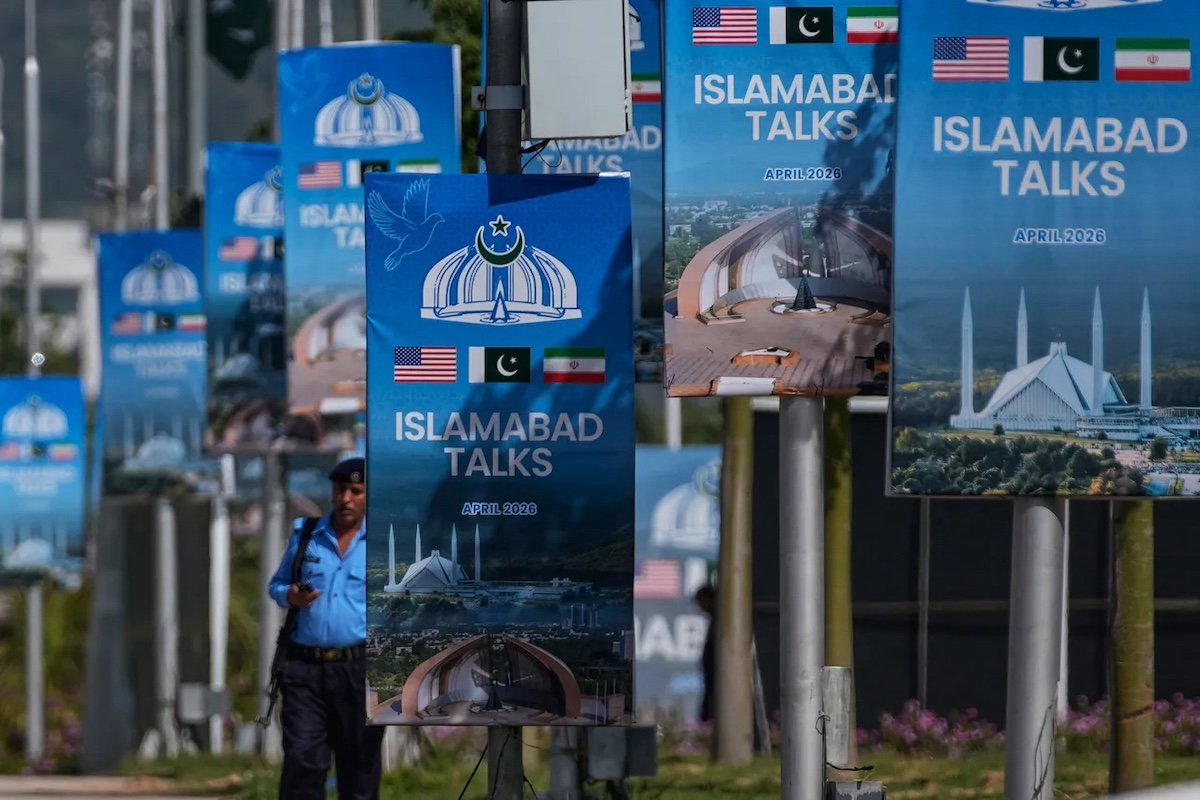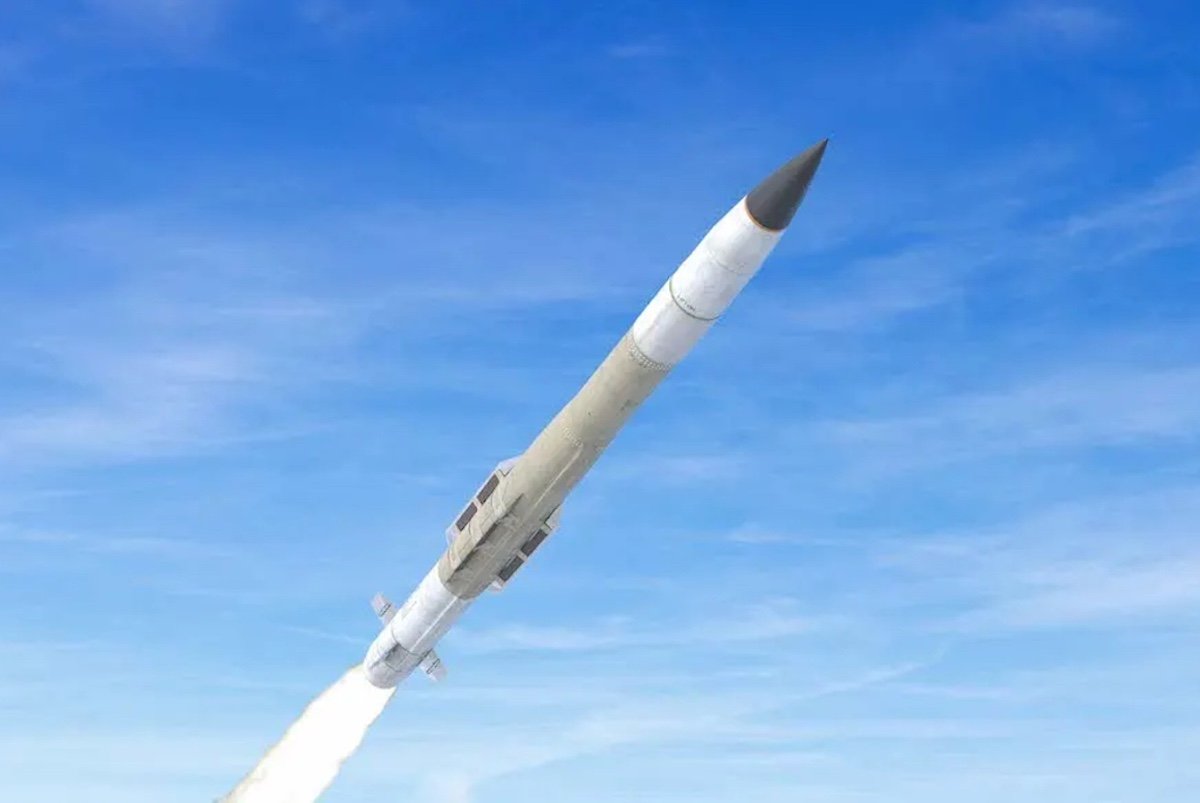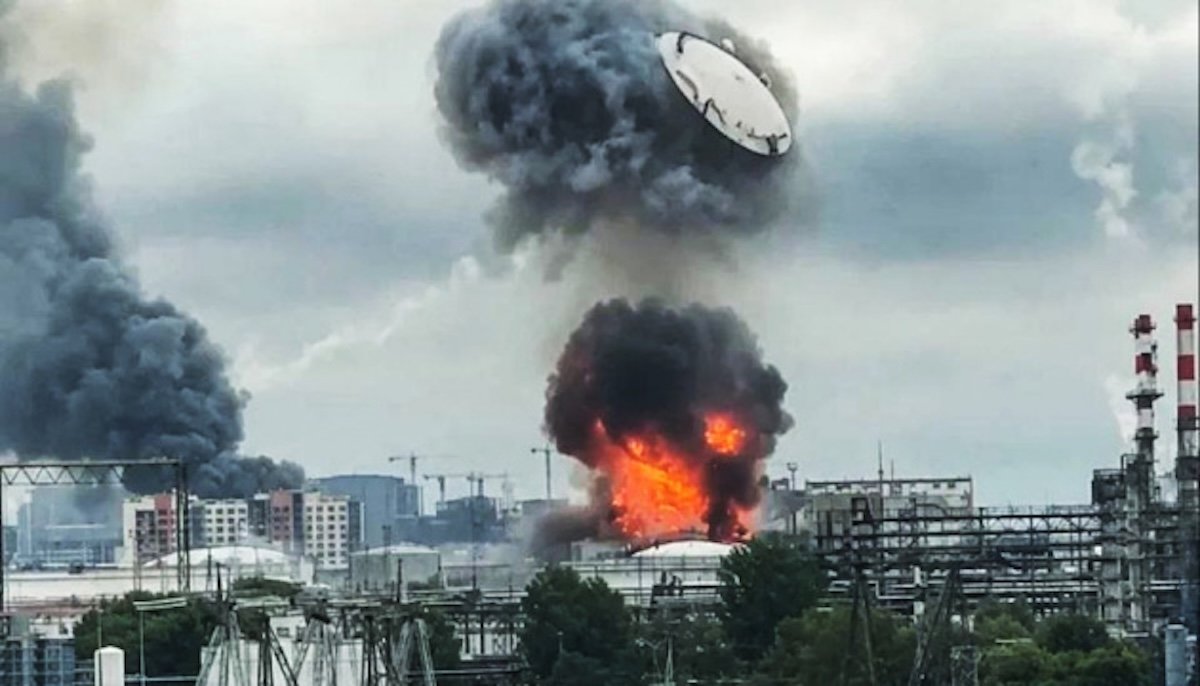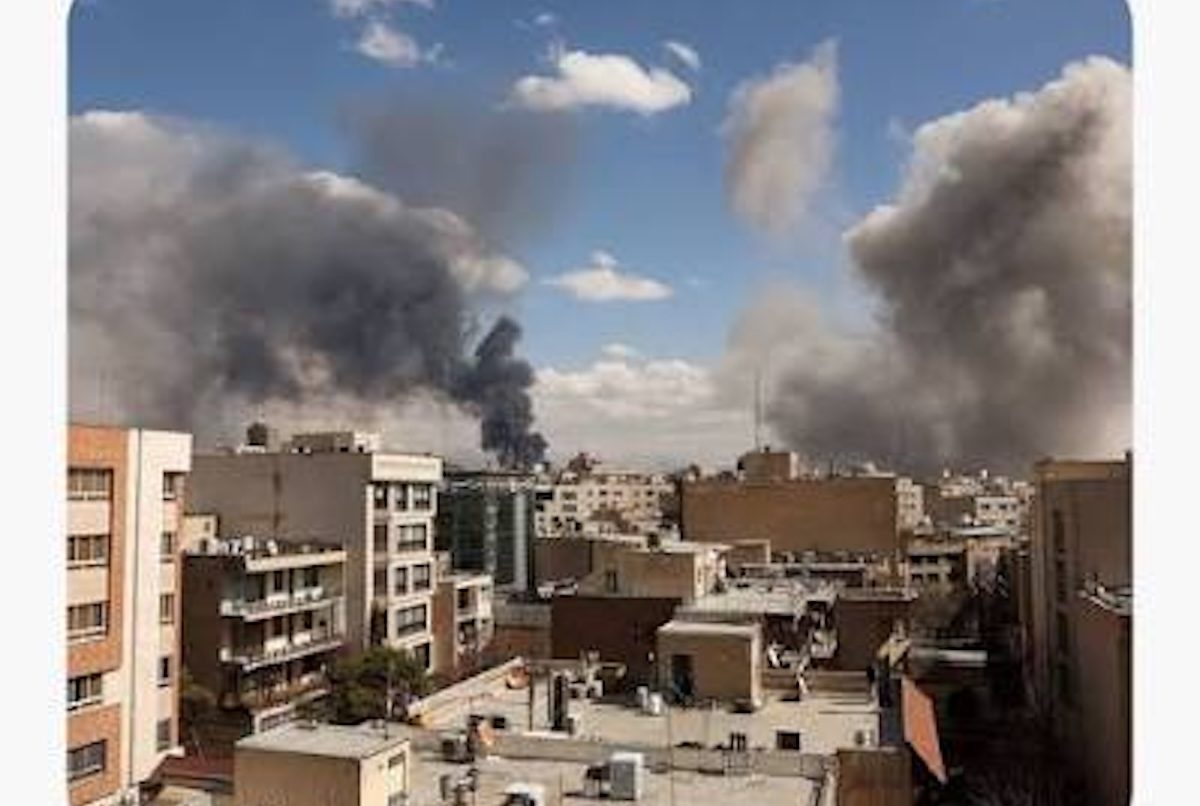
The nominal ceasefire brokered in April 2026 has done little to stem the escalation in the Persian Gulf. After Iran's "attempted surprise attack" on US forces on July 28, Washington retaliated with a "heavy wave" of airstrikes on July 30, targeting Iran's military command centers and missile facilities, according to NPR. The strikes have intensified a conflict that began in February, leaving thousands dead and infrastructure in ruins across Iran.
For the United States, the war has been costly—nearly $40 billion spent, military assets damaged, and 18 American service members killed. Yet, at home, life continues largely undisturbed. The US even cohosted the 2026 FIFA World Cup during the fighting. This detachment is a stark departure from earlier American history, when wars were felt directly and often romanticized.
The Illusion of the Quick War
Before the Civil War, Americans imagined conflict through the lens of the Revolutionary War and the frontier campaigns—decisive battles won by heroic charges, celebrated in songs and paintings. Southern leaders in 1861 were supremely confident. Senator James Henry Hammond declared in his "Cotton is King" speech that "no power on earth dares to make war upon" the South's cotton economy. Judge Samuel F. Rice boasted that "we can whip the Yankees with popguns," and Senator James Chesnut Jr. claimed he would "drink all the blood shed" over secession.
Leroy Pope Walker, the first Confederate Secretary of War, told a crowd in April 1861 that any blood spilled "could be wiped up with a handkerchief," predicting victory by May. Mark Twain later blamed Sir Walter Scott's novels for fostering such romantic chivalry among Southern elites.
Northern leaders were equally overconfident. The New York Tribune cried "Forward to Richmond!" and President Abraham Lincoln, under public pressure, pushed General Irvin McDowell to advance before his army was ready. The First Battle of Bull Run in 1861 became the symbol of that misplaced optimism. Politicians and civilians, some with picnic baskets, gathered to watch what they thought would be the decisive battle. Instead, they fled with the retreating Union troops.
The war that followed was one of the first industrial conflicts. Railways moved vast armies, factories produced weapons on an unprecedented scale, and entire economies were reorganized for war. Around 750,000 Americans died—roughly half of all US war deaths in history. Two-thirds succumbed to disease, not combat. The war preserved the Union and ended slavery, but it bore no resemblance to the swift, bloodless campaign envisioned in 1861.
The Road to World War I
The Civil War left Americans wary of large-scale conflict, even as the nation became a global power. Yet Europe's descent into World War I in 1914 showed how easily countries could underestimate war's costs. Leaders on all sides promised quick victories. The German Kaiser assured troops they would be "home before the leaves fall." British leaders spoke of "the war to end war." Instead, the conflict dragged on for four years, killing millions and destroying empires.
The lesson from both conflicts is clear: nations often sleepwalk into war, blinded by overconfidence and a failure to grasp the consequences. The current US-Iran war, which President Donald Trump initially predicted would last four to five weeks and lead to the collapse of the Iranian government, has already outlasted those expectations. The July 26 expansion of Houthi attacks on shipping and infrastructure around the Red Sea has further complicated the conflict, with unclear objectives.
For the Indo-Pacific, the implications are profound. The US-Iran war has reshaped energy security across Asia, as the ceasefire's failure disrupts oil supplies and shipping lanes. Japan, South Korea, and India, all heavily dependent on Middle Eastern oil, face rising costs and supply uncertainties. The renewed airstrikes risk derailing any fragile peace, deepening regional conflicts.
History's warnings are clear: wars rarely unfold as planned. The US, protected by oceans and military might, may feel insulated, but the consequences ripple globally. As the conflict in the Gulf continues, the region—and the world—watches with unease, remembering that the sleepwalk into war often ends in a nightmare.