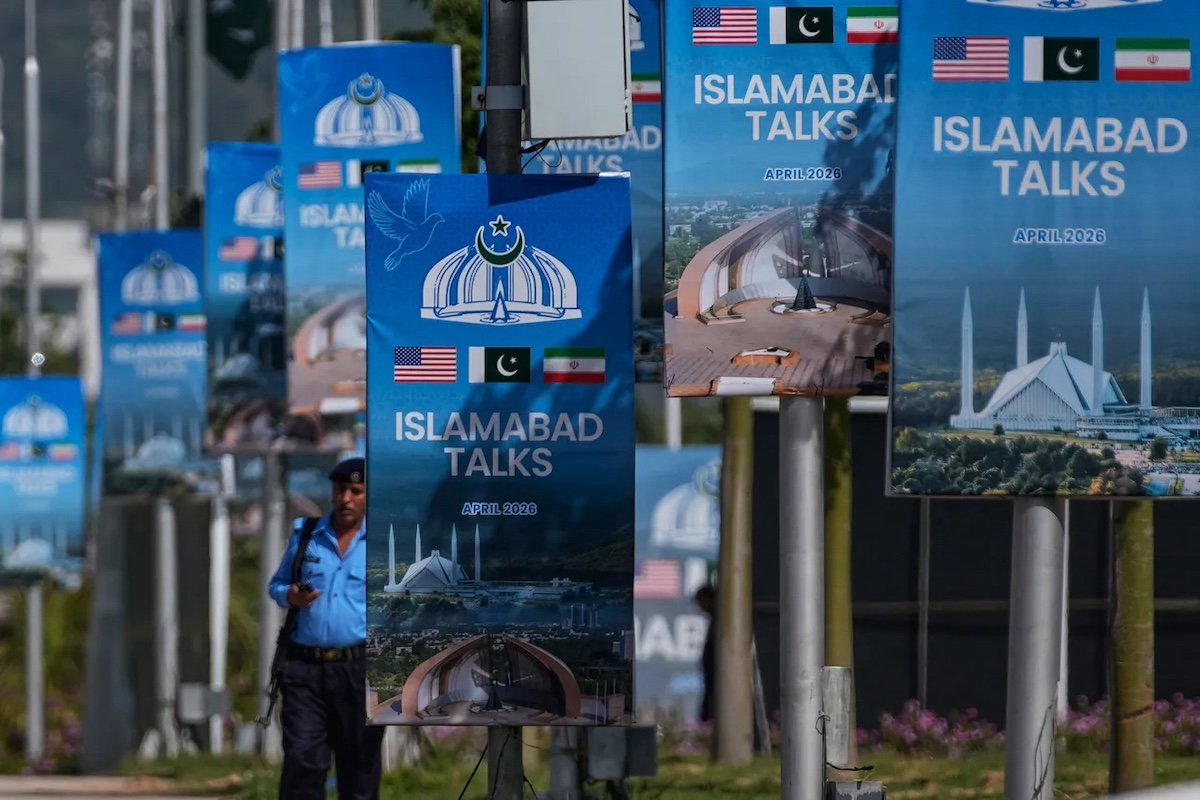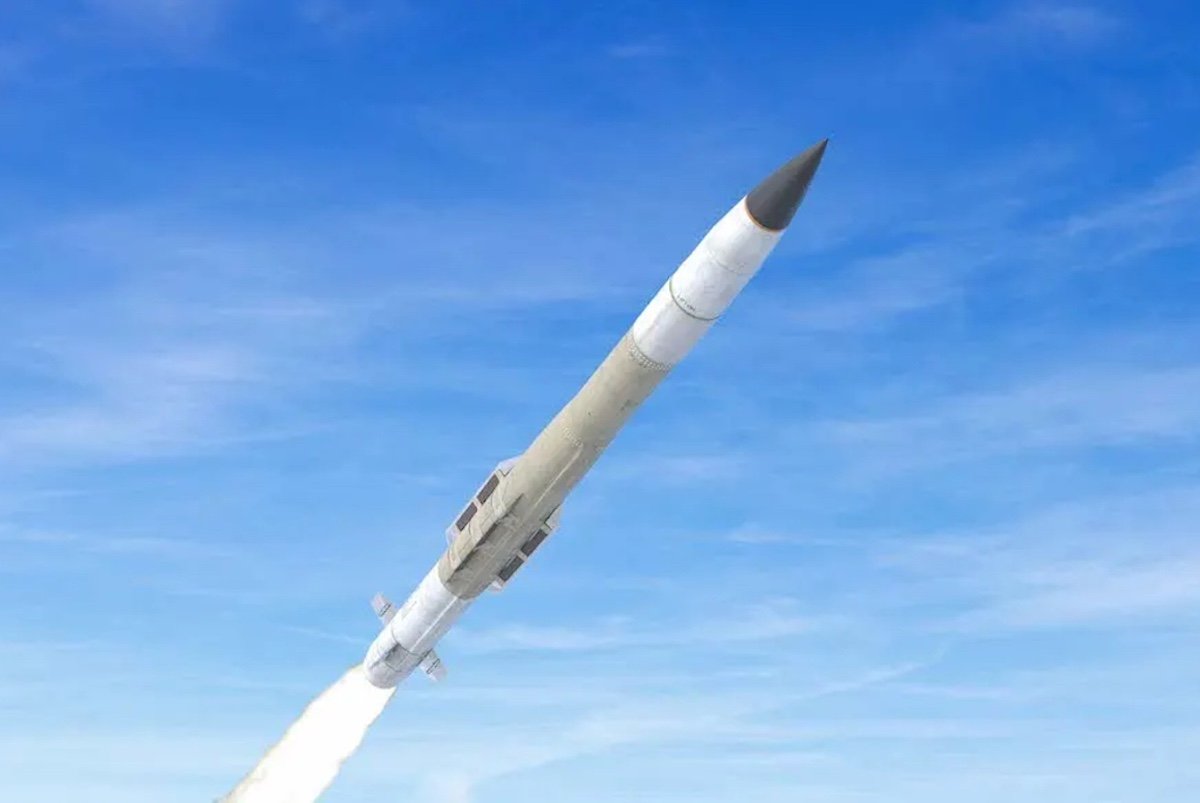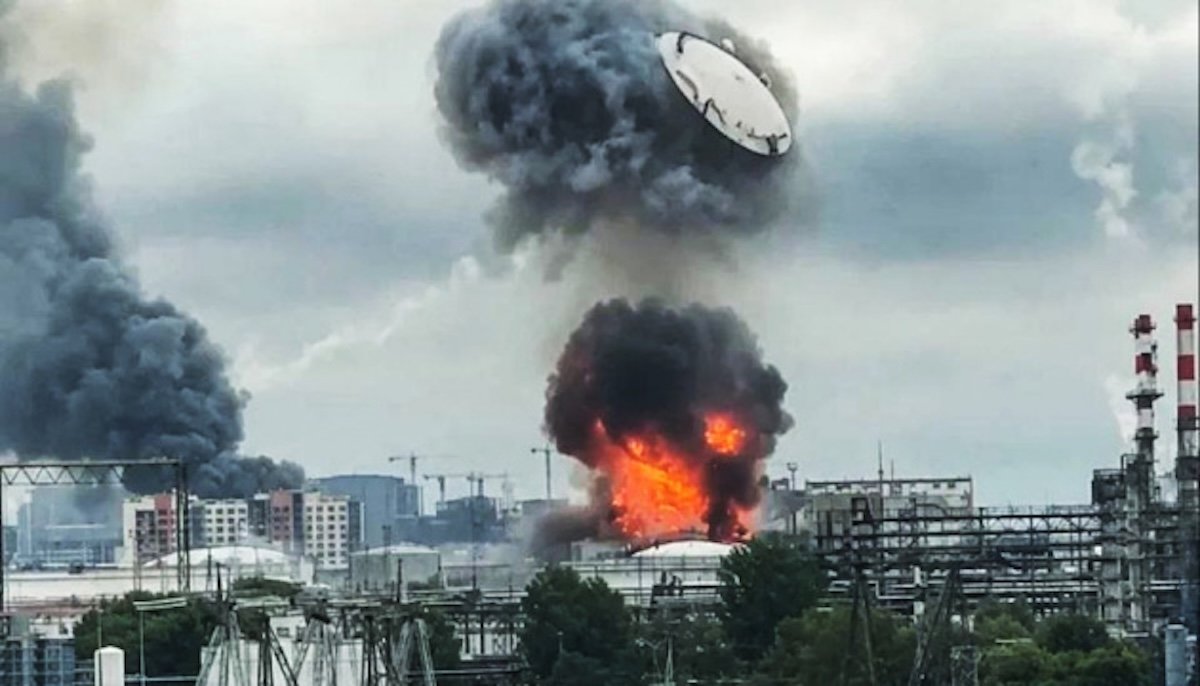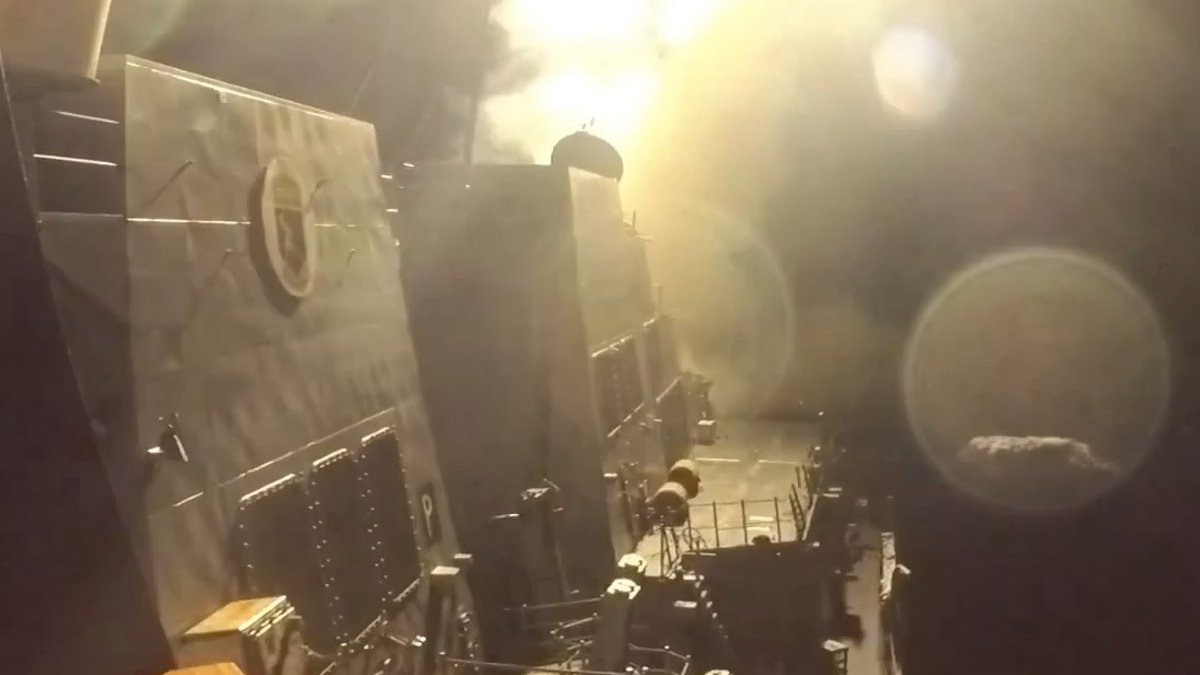
The United States has carried out new airstrikes across Iran this week, as President Donald Trump, frustrated by stalled negotiations to end the war, turns to military force to pressure Tehran. US Secretary of Defense Pete Hegseth signaled the strikes would persist if the peace deal remains elusive, stating: “If we need to negotiate with bombs, we’ll negotiate with bombs.”
The escalation follows recent missile exchanges between Iran and Israel, and Iran’s downing of a US helicopter. Until now, both Washington and Tehran had largely respected a precarious ceasefire that halted hostilities in early April. Trump continues to insist a peace deal is imminent, but the renewed violence raises questions about the negotiations’ viability.
Escalate to Deescalate: A Risky Tactic
In conflict dynamics, states often escalate to deescalate—ramping up military action to intimidate an adversary into submission. Both the US and Iran are employing this strategy, aiming to force the other side into an agreement that serves their core interests. However, those interests remain fundamentally at odds.
The US demands that Iran dismantle its nuclear program and reopen the Strait of Hormuz to commercial traffic without restrictions. Iran seeks the release of its frozen assets and a lasting ceasefire between Israel and Hezbollah in Lebanon. On the nuclear issue, the gap is wide: Iran is unlikely to fully comply with US demands to cease uranium enrichment and dismantle its infrastructure.
This mutual escalation tactic only works if one side is not simultaneously pursuing the same approach. Otherwise, both parties risk falling into an escalation trap, where each retaliates with greater force and neither can back down. The downing of the US helicopter—whether intentional or accidental—may have triggered such a spiral.
Israel’s Existential Conflict Complicates the Picture
The US-Iran standoff is not isolated. Israel is conducting military strikes deep into southern Lebanon against Hezbollah, an Iranian ally. This campaign has fundamentally shifted regional geopolitics and threatens to undermine the US-Iran ceasefire, despite Trump’s efforts to maintain calm.
For both Israel and Iran, the conflict is existential. The Islamic Republic has long opposed Israel’s presence in the region, while Israel views a nuclear-armed Iran as its chief survival threat. Iran will not abandon Hezbollah, which it has funded and armed for decades, while Israel wages war in Lebanon. The regime sees itself and Hezbollah as part of the same front.
On the Israeli side, the October 7, 2023, Hamas attacks transformed Prime Minister Benjamin Netanyahu’s approach. His far-right government has adopted an offensive strategy, capturing territory in Syria, Lebanon, and Gaza, and establishing security buffer zones. Netanyahu has vowed to eliminate threats from Iran, Hamas, and Hezbollah. Yet, as analysts note, non-state actors like Hamas and Hezbollah cannot be eliminated by conventional military force; they blend into civilian populations and can reemerge years later.
Trump’s regional diplomacy has largely ignored these complexities. He relies heavily on bilateral relationships and personal ties, showing little patience for the underlying drivers motivating multiple actors. This approach may prove insufficient as the conflict deepens.
Will the Ceasefire Hold?
Trump’s definition of a ceasefire is telling. In a recent news conference, he described it in the Middle East as “shooting in a more moderate manner.” He has demanded that Israel and Iran stop striking one another, but his administration’s actions suggest a willingness to continue limited military pressure.
We may see a memorandum of understanding between the US and Iran in the coming days or weeks, but such an agreement would likely only commit both sides to further talks, not resolve core issues. Israel is unlikely to withdraw from southern Lebanon or halt its asymmetric war with Hezbollah.
The situation has the makings of a frozen conflict, as I have argued before. Meanwhile, the Strait of Hormuz disruptions continue to trigger a human security crisis across Asia, affecting energy supplies and trade routes. Gulf states are also rethinking their reliance on US security guarantees as the conflict strains their economies. And Israeli officials have reportedly signaled they will block any US-Iran peace deal that does not address their security concerns.
For now, the region remains on edge, with no clear path to peace.