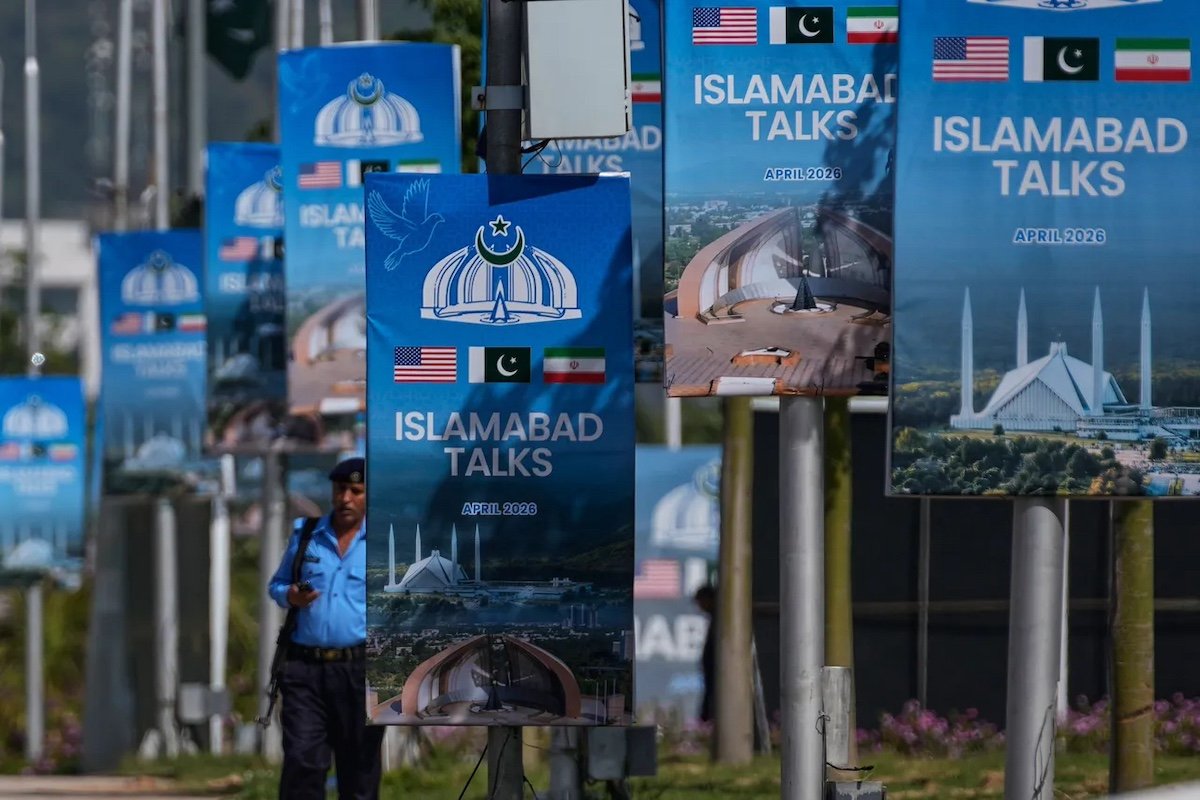
In a social media post on November 8, 2026, President Donald Trump declared that “very little gets into, or out of, Iran!” and praised what he called “history’s greatest Naval Blockade.” The statement came after the unveiling of Task Force Iron Gate, the latest U.S. initiative to isolate Iran’s economy and pressure Tehran into submission. Trump has also suggested that a return to full-scale war is “highly unlikely.”
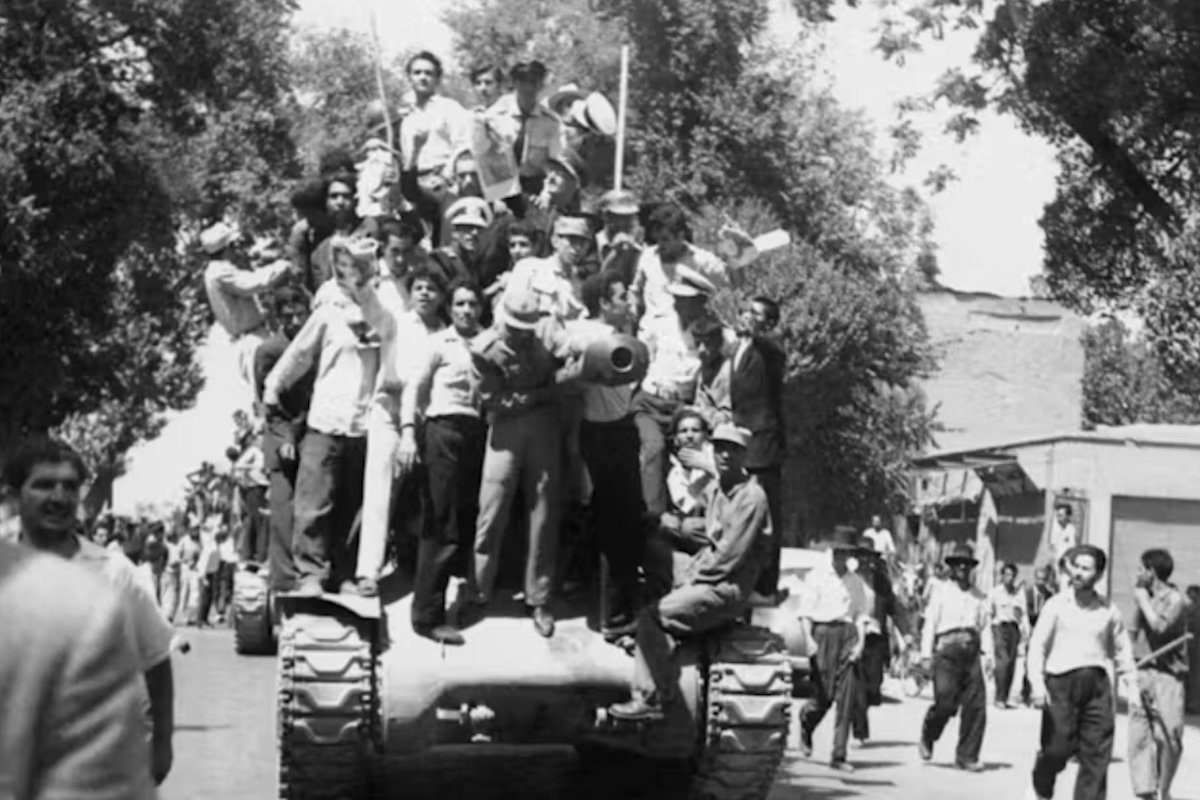
As an analyst of Iran’s foreign relations, I see striking parallels between this conflict and the early 1950s, when Britain imposed a two-year blockade and embargo on Iran after Prime Minister Mohammad Mossadegh nationalized the Anglo-Iranian Oil Company. That campaign culminated in the 1953 coup, orchestrated by British and American intelligence, which overthrew Mossadegh and restored the Shah’s absolute rule.
Seventy-three years later, oil, economic coercion, and political intervention are again at the forefront. Trump’s stated justifications for the war—which began in February 2026—have shifted from preemption to nuclear nonproliferation, but his core objectives appear to be regime change and control over Iran’s petroleum resources. Having failed to achieve these through direct military force, Washington has turned to a naval blockade and economic strangulation, much like Britain did in the 1950s.
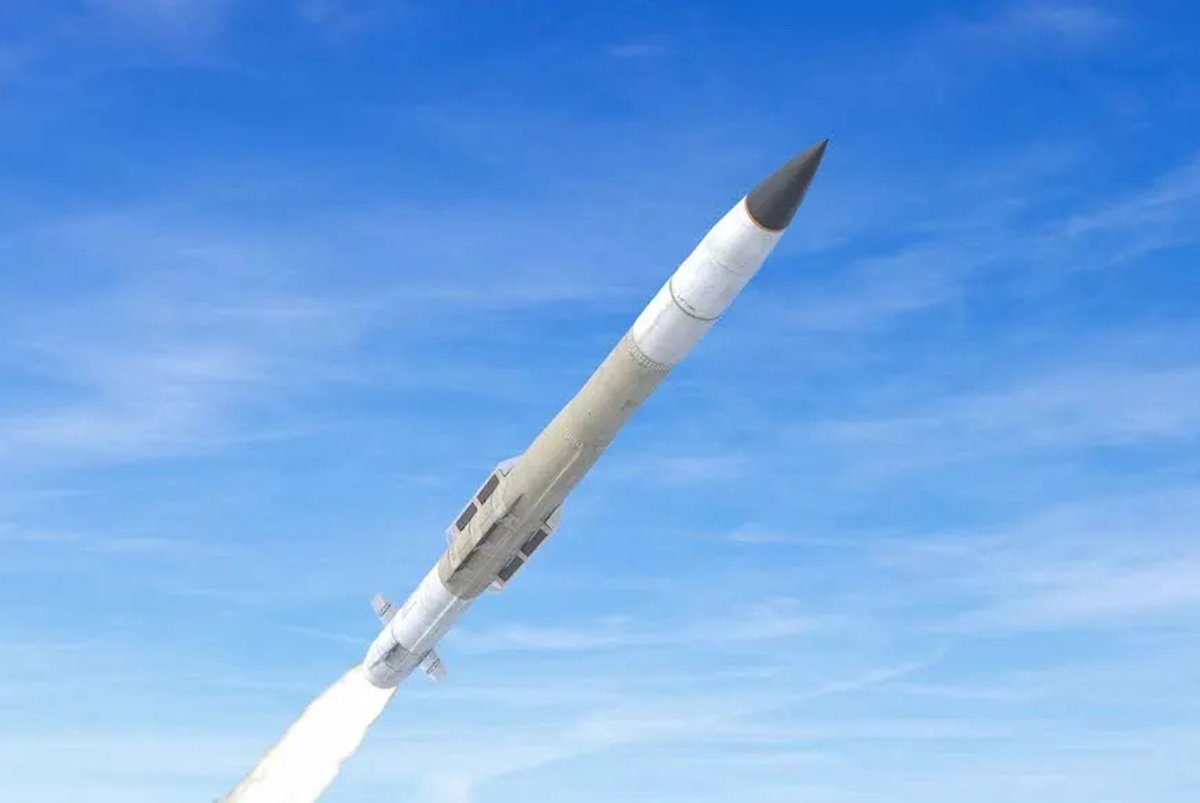
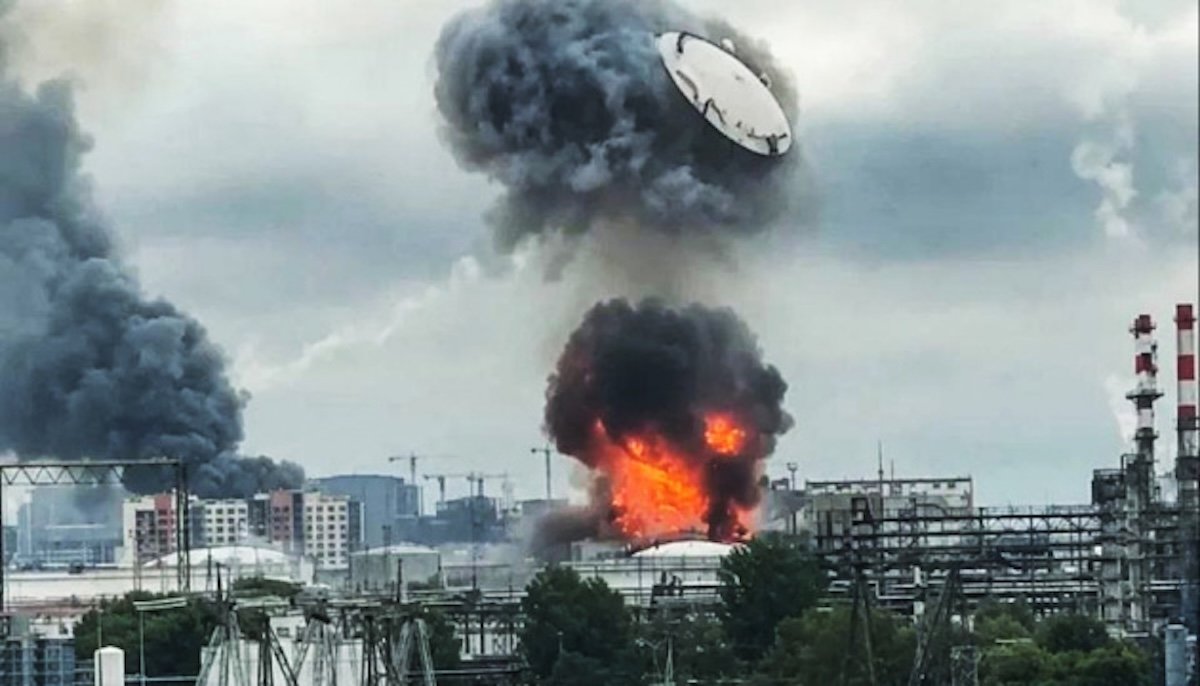
Yet the analogy may end there. Unlike the Mossadegh era, Iran today possesses the capability to retaliate through asymmetric warfare and economic disruption. Tehran has used drones, missiles, and its network of regional proxies to strike U.S. assets and allied shipping, and it has shown a willingness to target tanker traffic in the Strait of Hormuz, a critical chokepoint for global oil supplies.
From oil nationalization to Operation Ajax
In March 1951, Mossadegh, then a parliamentary deputy, persuaded Iran’s parliament to nationalize the Anglo-Iranian Oil Company. The move was popular among Iranians who saw it as reclaiming national sovereignty, but Britain viewed it as theft of its largest overseas asset. The UK took its case to the newly formed United Nations Security Council, but negotiations stalled by July.
Britain then began obstructing Iran’s oil sales by refusing to accept tanker receipts, and in August imposed a naval blockade, intercepting vessels off the Persian coast. It also banned exports of key commodities like sugar and steel to Iran and froze Iranian assets in the UK. British technicians were evacuated, and the Abadan refinery was shut down.
Mossadegh hoped to replace the technicians with foreign experts, but Britain pressured international oil companies—except Italy’s—to withhold personnel. Iran’s oil production plummeted by 96% between 1950 and 1952, and oil income nearly vanished. The economic crisis fractured Mossadegh’s coalition and fueled a propaganda campaign that paved the way for Operation Ajax in August 1953, which toppled his government.
After the coup, the Shah signed a new oil agreement that gave Iran a slightly larger profit share, but British and American companies retained 75–79% of the proceeds. The blockade was lifted, and Iran resumed oil exports.
The deterrence gap
Today’s conflict echoes those themes, but the balance of power has shifted. While the U.S. has severely degraded Iran’s conventional military—its air force and navy are shadows of their former selves—Tehran has effectively used drones, missiles, and proxies to strike U.S. assets across the region. In the 1950s, Iran had no such network of allied militias, nor the technology to hit back at a conventionally superior adversary.
Iran can also counter economic measures. Since the war began, Tehran and its partners have repeatedly targeted tanker traffic and civilian infrastructure, disrupting global oil flows and raising costs for U.S. allies in Asia. This has already had political consequences: the war cost Republicans the midterm elections, reshaping Trump’s calculus in the region, as our analysis shows.
The blockade may squeeze Iran’s economy, but it is unlikely to trigger the kind of domestic uprising that unseated Mossadegh. Iranians have endured decades of sanctions and have developed a resilience that was absent in the 1950s. Moreover, Tehran’s ability to retaliate—both directly and through proxies—raises the cost of coercion for Washington and its allies.
Trump’s approach, as we have noted, leaves him cornered and dangerous. The blockade is a gamble that may win tactical victories but is unlikely to achieve the strategic goal of regime change. As the war drags on, the economic and political toll on the U.S. and its partners—especially in Asia, where energy security is paramount—will only grow.
In the end, the 1953 analogy is instructive but misleading. Iran is no longer a weak state dependent on a single commodity. It has diversified its economy, built a formidable military-industrial base, and forged alliances that extend from Beirut to Sanaa. Economic coercion alone will not topple Tehran, and the longer the blockade continues, the more it will destabilize the global oil market and test the patience of Washington’s allies.