The recent US midterms laid bare a deep economic pessimism among American voters. Yet amid the gloom, one bright spot has emerged: the semiconductor industry. Taiwan Semiconductor Manufacturing Company (TSMC), the world's largest contract chipmaker, is investing a quarter of a trillion dollars to build ten fabrication plants on American soil, a move that some analysts believe could spark a US manufacturing renaissance.
While this investment is welcome, it carries a hidden danger. By deepening economic ties with Taiwan, Washington may inadvertently acquire a strategic interest in defending the island against Chinese pressure. But the protection of TSMC's facilities in Taiwan should never become a justification for US military intervention in a cross-strait conflict.
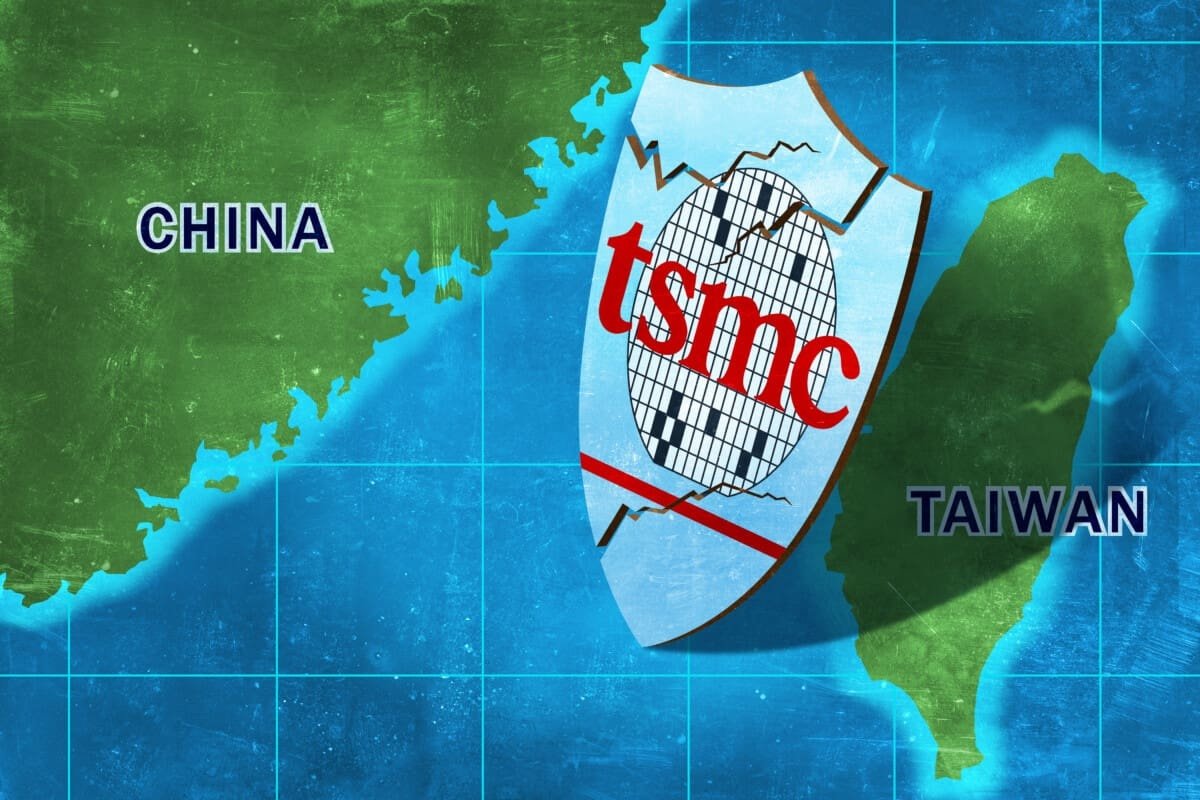
The logic of the so-called "silicon shield" is that Taiwan's dominance in advanced chip production makes it too valuable to lose, thereby deterring Chinese aggression. Taipei's officials have actively promoted this idea, with Foreign Minister Lin Chia-lung arguing in a recent Foreign Affairs piece that Taiwan is a "force multiplier" for the United States in artificial intelligence, possessing the capability and values to support American technological ambitions.
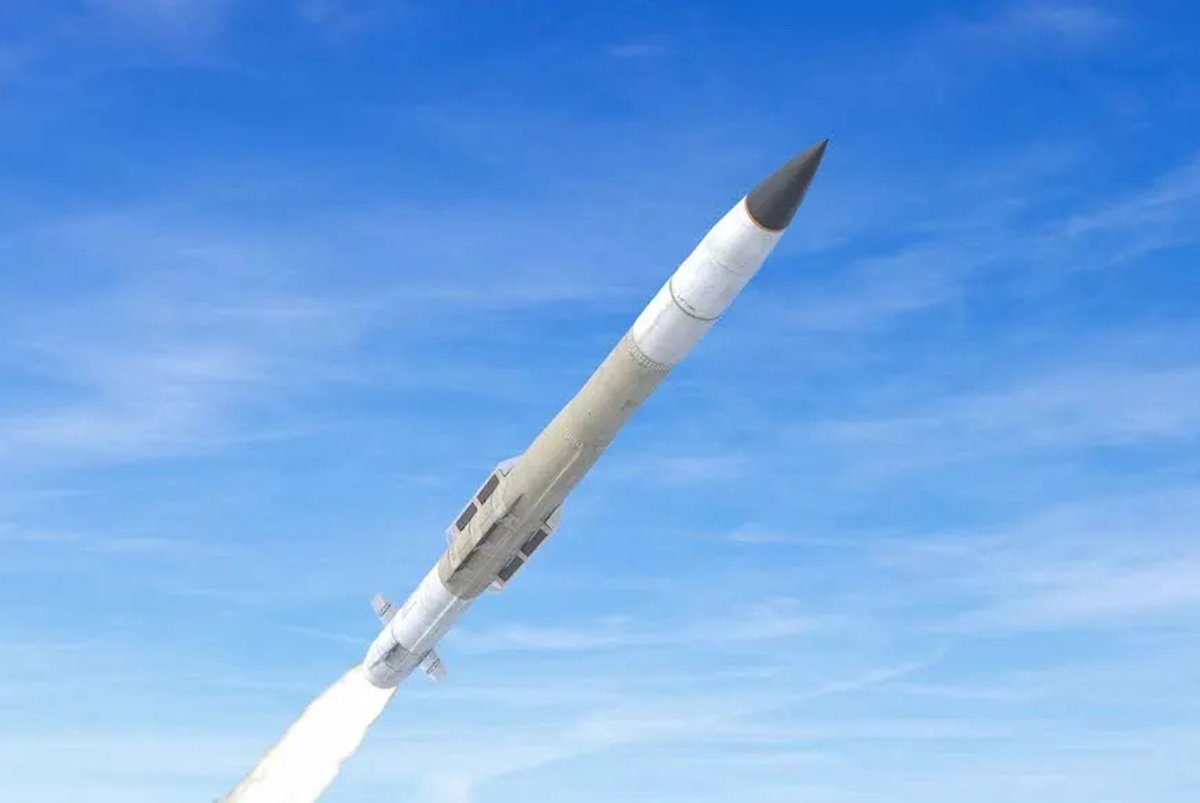
However, this narrative conveniently ignores the immense military risks. In any conflict over Taiwan, China would enjoy the advantages of proximity, preparedness, and national resolve. As retired Rear Admiral Mike Studeman, former director of US naval intelligence, has noted, China could potentially defeat large portions of the US Navy. The People's Liberation Army Navy now fields a variety of hypersonic anti-ship missiles, a capability the US Navy still lacks.
Moreover, the nuclear dimension cannot be dismissed. Washington strategists increasingly discuss nuclear scenarios involving Taiwan, a trend that should alarm any rational observer. No American leader should risk a nuclear exchange for the sake of advanced microchips.
The importance of Taiwan's semiconductor production is often overstated. Chips are also manufactured in Japan, Malaysia, Singapore, and South Korea—all advanced technology hubs that could ramp up production in an emergency. Much of the underlying technology originates from the US and Europe, meaning supply chains could be reconstituted within a reasonable timeframe, avoiding a catastrophic war.
Most of the advanced chips made in Taiwan power high-performance computing, AI data centers, and ever-faster consumer electronics. These are desirable but hardly essential to national security. A temporary disruption in the latest smartphone models would not justify a war between two nuclear-armed powers. Even military systems often rely on simpler, more robust chips. Contrary to the thesis in Chris Miller's book Chip War, Russian missile production has not faltered due to a lack of advanced semiconductors; Moscow continues to deploy effective precision-guided munitions.
Furthermore, even if Beijing were to seize Taiwan, it would likely continue selling chips to the US and the world, as the business is immensely profitable. Markets are remarkably adaptable, and alternative suppliers would emerge. The law of supply and demand is a powerful force.
Americans can be grateful for Taiwan's contributions to the global economy, but gratitude should not translate into a commitment to shed blood for TSMC's bottom line. The US must not be dragged into the long-frozen Chinese Civil War, with all its military and nuclear risks. The stakes are too high, and the interests at play are ancillary to most Americans.
Rethinking the silicon shield
The notion that Taiwan's chips are indispensable to US security is a dangerous fallacy. As Taiwan moves to criminalize AI chip exports to China, it further entangles economic policy with security strategy. But Washington should resist being drawn into a confrontation over a product that can be sourced elsewhere.
The US midterms delivered a clear anti-war message, as Democrats weigh a path forward that avoids foreign entanglements. The American public has little appetite for a war in Asia over semiconductors. The Iran war costs Republicans the midterms, reshaping Trump's Asia calculus, and a similar backlash would follow any conflict over Taiwan.
Instead, Washington should encourage a diversified semiconductor supply chain, investing in domestic production and partnerships with allies like Japan and South Korea. The lessons Taiwan can teach South Korea about China's chip tech theft are valuable, but they do not require a military commitment.
The US must not let Taiwan's silicon shield become a silicon trap. The cost of defending it would be catastrophic, and the benefits are far less than proponents claim. It is time for a sober reassessment of what truly serves American and regional security.