In November 2023, three engineers walked out of a South Korean semiconductor testing-components firm and into jobs in China that paid double their previous salaries. According to South Korea’s Intellectual Property Office, they allegedly took proprietary probe-card designs, had a Korean design firm tweak them, and used the technology to build products in China. By December 2025, samples had reached an overseas chipmaker. On October 14, 2026, prosecutors charged all three; a former executive suspected of orchestrating the scheme remained in China, with an Interpol red notice requested.
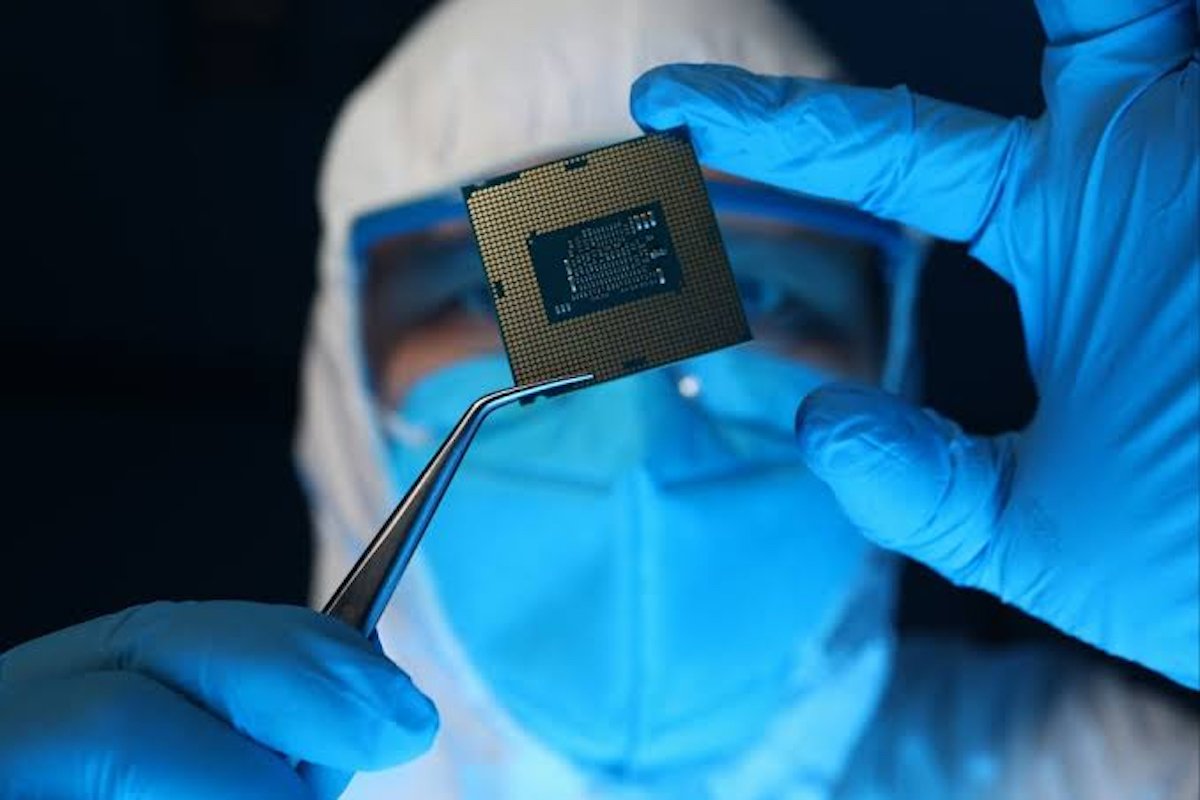
Probe cards are the tiny interfaces that touch microscopic contacts on semiconductor wafers to test chips before packaging. Their reliability directly affects production yields and costs, especially for the high-bandwidth memory used in AI systems. The victim company estimated that losing overseas business could cost it 40 billion won (US$30 billion) annually.
This case underscores a vulnerability shared by South Korea and Taiwan: people can carry technological expertise across borders even when factories, equipment, and acquisitions face tighter controls.
A broader pattern
The most consequential example involves Chinese memory-chip producer ChangXin Memory Technologies (CXMT). South Korean prosecutors allege that former Samsung Electronics personnel helped CXMT replicate Samsung’s 18-nanometer DRAM process. According to Kuki News, some recruits received salaries three to five times their previous pay. Prosecutors estimated the leak cost Samsung about 5 trillion won in lost sales in 2024.
In August 2026, a former Samsung researcher testified in court that CXMT executives had sought Samsung’s process recipes from the outset. The testimony and prosecutions illustrate how Chinese chipmakers have sought to accelerate their development by obtaining advanced manufacturing know-how from Korean competitors.
Police figures show the scale of the concern. Of 33 overseas technology-leak cases detected in 2025, 18 involved China, or 54.5%. The cases extended beyond semiconductors to displays, batteries, and other strategic industries.
China also sought technology through acquisitions. But foreign-investment scrutiny narrowed that route. In 2021, Chinese-backed Wise Road Capital’s proposed $1.4 billion acquisition of South Korean chipmaker Magnachip collapsed after regulatory intervention. Recruiting engineers and obtaining confidential files can be cheaper and harder to screen in advance than buying an entire company.
Seoul is addressing another possible loophole. On October 19, its government announced plans to expand reviews of foreign acquisitions conducted through locally incorporated entities. The proposal is important, but screening ownership alone cannot uncover every channel through which technical knowledge moves.
Taiwan’s experience offers practical lessons
Taiwan has confronted Chinese companies operating recruitment networks without the required authorization. Its Investigation Bureau formed a specialized team in late 2020. In March 2026, authorities investigated 11 Chinese companies suspected of illicitly recruiting high-tech workers through disguised ownership structures or unauthorized offices. Another operation targeting 17 companies followed in July and August. Investigators identified alleged use of nominally Taiwanese firms, intermediary recruiters, and sham staffing arrangements.
The risks also arise inside companies. In August, Taiwanese prosecutors charged a senior Nanya Technology engineer who allegedly hid a camera among snacks to record 32 confidential process-related files while pursuing employment opportunities in China. Company security personnel detected suspicious wireless signals and examined access logs and computer records to uncover the alleged theft.
Taiwan’s response combines recruitment enforcement with criminal law. Amendments to the National Security Act introduced economic-espionage offenses involving nationally critical technologies, carrying potential prison sentences of five to 12 years and fines of up to NT$100 million ($3.1 million). The approach recognizes that some technology theft threatens national economic security, not merely a company’s balance sheet.
Stronger enforcement needed
South Korea made an important change on September 13, 2026, when its expanded espionage law took effect. Previously focused on espionage benefiting an enemy state, effectively North Korea, the law now covers foreign countries and comparable organizations. Yet investigators still face demanding questions about foreign direction and whether the information qualifies for espionage protection.
Punishment under existing technology-protection laws has also raised concerns. Citing figures from the Korea Enterprises Federation, a September editorial reported that 70% to 80% of convictions for technology-related offenses resulted in suspended sentences, with an average prison term of one year and nine months.
Stronger legislation matters little if enforcement cannot reach the organizations financing illicit transfers. Taiwan’s experience points to three priorities for Seoul. First, target the beneficiaries. Investigations should identify the companies directing and financing unlawful transfers, not merely the employees carrying files. South Korea’s Intellectual Property Office has already proposed tougher measures against overseas companies. Second, investigate recruitment infrastructure. Shell companies, staffing agencies, headhunters, and payment channels can reveal coordinated networks. Third, impose meaningful penalties. Suspended sentences do little to deter corporate espionage.
As the Korean Peninsula edges toward a new crisis, the economic security dimension is often overlooked. But the loss of cutting-edge technology undermines the very industries that underpin South Korea’s prosperity. Taiwan’s playbook—combining aggressive investigation, legal reform, and a focus on the masterminds—offers a path forward. Seoul would be wise to follow it.