South Korea's June 3 local elections, intended to reaffirm the country's democratic credentials, instead exposed critical failures in election administration that have shaken public trust. The National Election Commission (NEC), long regarded as a model of electoral integrity in Asia, faced ballot shortages at 50 polling stations, a blockaded ballot box in Seoul's Songpa district, and delayed vote counts that altered a council seat outcome two days after voting ended.
Ballot Shortages and Emergency Deliveries
The most basic failure occurred when polling stations ran out of ballots. In Seoul's affluent Songpa and Gangnam districts, voters waited for hours as emergency deliveries arrived, potentially violating Article 151 of South Korea's election law, which requires ballots to be delivered by the day before voting. One Songpa polling station remained open until 10 p.m., four hours past the legal closing time. A 70-year-old resident told Reuters, "I was so frustrated – this shouldn't happen in this day and age."
A Ballot Box Under Siege
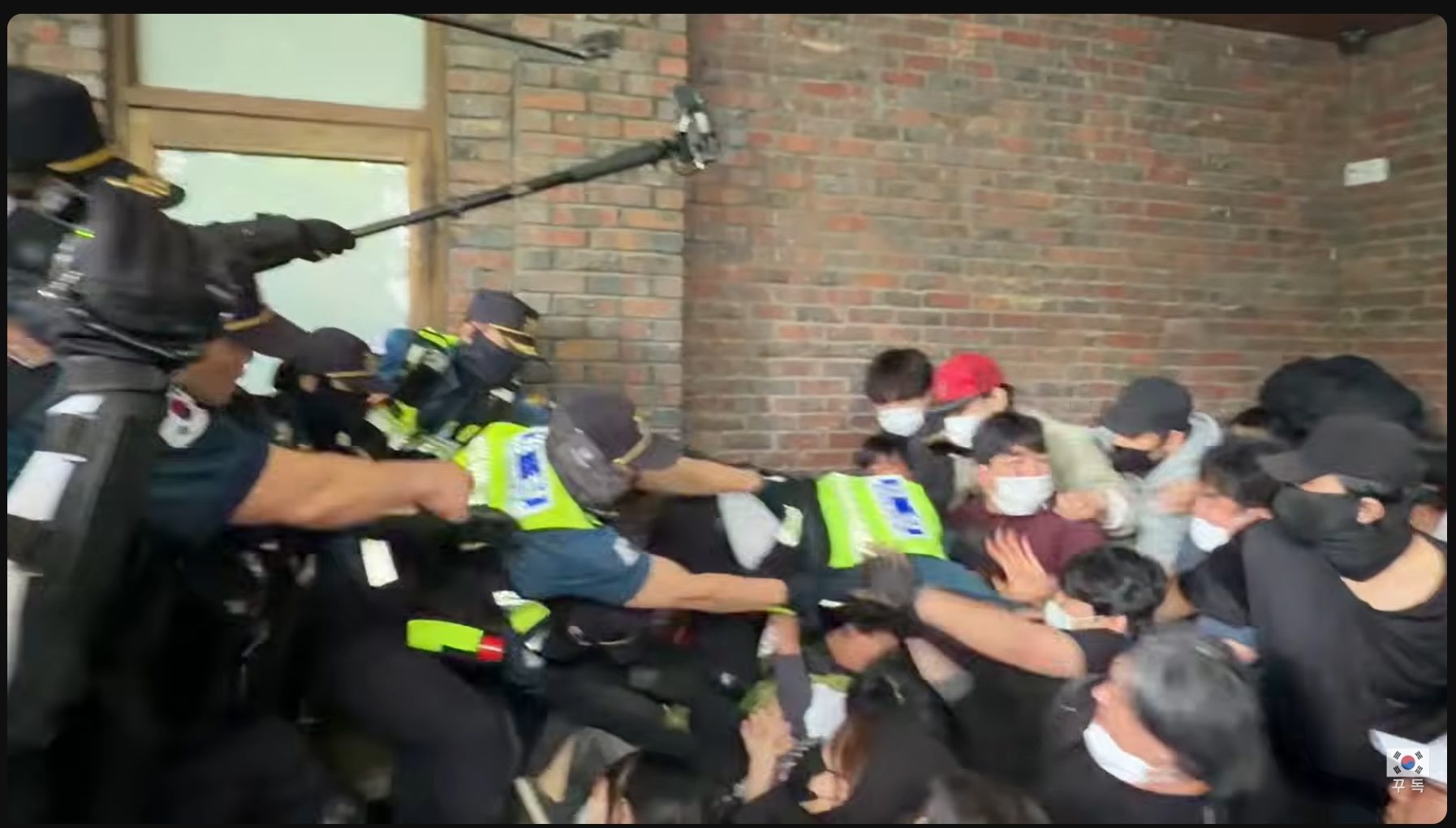
The crisis escalated when residents alleging fraud blockaded a Songpa ballot box for two nights, trapping an election worker inside for 22 hours until riot police intervened. On June 5, approximately 1,000 officers were deployed to transport the ballot box to the counting center, 35 hours after polls closed. By then, over 6,000 protesters had gathered demanding a revote.
Systemic Flaws in Ballot Printing
The NEC's explanations shifted from high turnout to uneven voter distribution, but the deeper cause emerged: a guideline revised after the 2025 presidential election permitted printing ballots for only 50% of eligible voters in local elections. Songpa printed at that minimum despite only 23.3% of its electorate voting early. The commission had requested a budget for 110% of registered voters but instructed local offices to print half. It admitted no procedure existed for exhausted supplies, despite internal projections of 73.6% turnout.
The 50% floor was reportedly adopted to minimize leftover ballots and deny election-fraud conspiracy theorists a talking point. Instead, it manufactured a genuine crisis. The shortages were concentrated in conservative-leaning districts, and late voters cast ballots after broadcasters aired exit-poll projections, leading the People Power Party (PPP) to argue the election was "tainted."
Delayed Results and Shifting Outcomes
The controversy outlasted election night. SBS reported that some Songpa ballots were not counted until two days later, flipping the Seoul Metropolitan Council proportional representation race to a PPP lead of 44.00% to 43.96%, shifting a council seat. The NEC said the reason "could not be ascertained." The Seoul mayoral race, won by incumbent Oh Se-hoon, was not finalized until June 5.
Smaller lapses compounded the damage: one voter used her cousin's identification, another nearly received two ballots. Individually minor, collectively they suggested systematic failure.
Resignations and Recriminations
NEC Chairman Noh Tae-ak and the head of the Seoul election commission resigned on June 5. The commission established a fact-finding committee of outside experts. The PPP demanded a revote and pledged litigation; party figures floated a special counsel investigation and impeachment of election commissioners. A citizen filed a constitutional complaint.
International Attention and Broader Implications
The fiasco drew global coverage, with images of riot police and blockaded ballot boxes. The Washington Times noted the vote could become "a plebiscite on electoral oversight." Fraud narratives have circulated since former President Yoon Suk Yeol invoked them to justify martial law. AFP quoted a commentator warning that the NEC had handed "ammunition to election-fraud conspiracy theorists."
No evidence of deliberate manipulation has emerged, and the headline result—a Democratic Party sweep of most metropolitan races—remains unchanged. But the Seoul Metropolitan Council seat that changed hands was decided by just 0.14 percentage points. As South Korea's Starbucks probe tests limits of democratic memory, this election fiasco underscores how thin margins demand thick competence.
What Must Happen Now
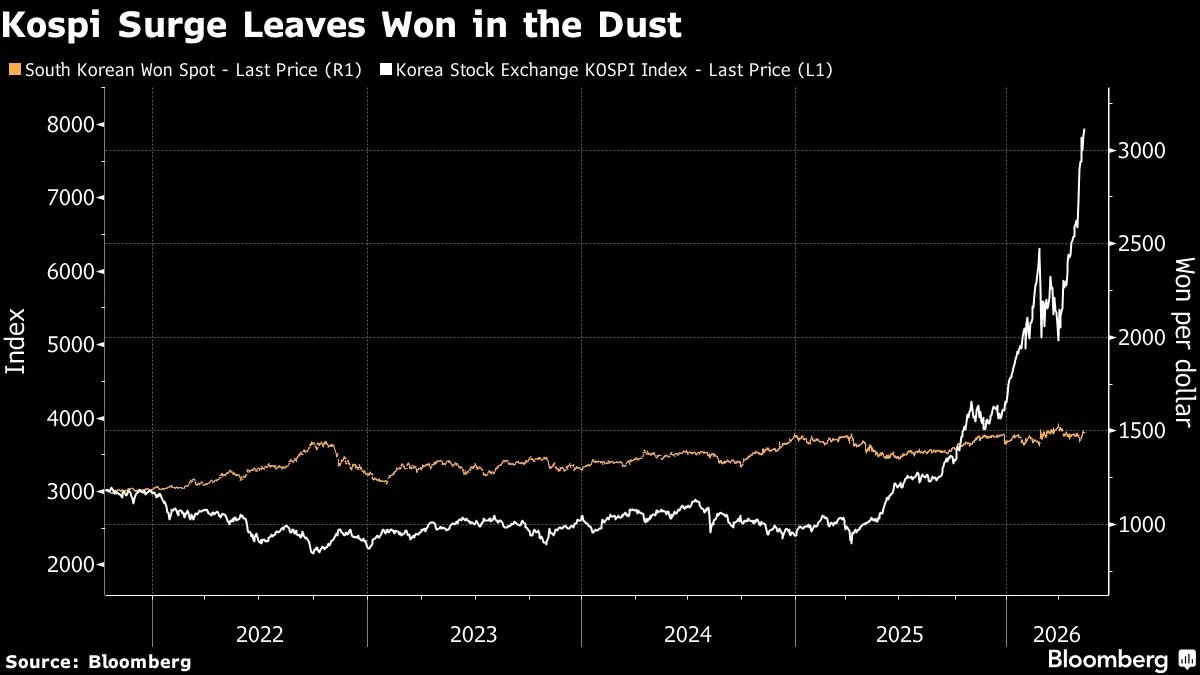
The NEC, a constitutionally independent institution, failed at the elementary task of supplying enough paper. The fact-finding committee must determine who adopted the 50% printing floor, why ballots in Songpa remained uncounted, and what accountability follows. The National Assembly should mandate reforms to prevent recurrence. As South Korea's AI stock boom masks currency crisis and economic risks, restoring faith in democratic processes is equally critical.