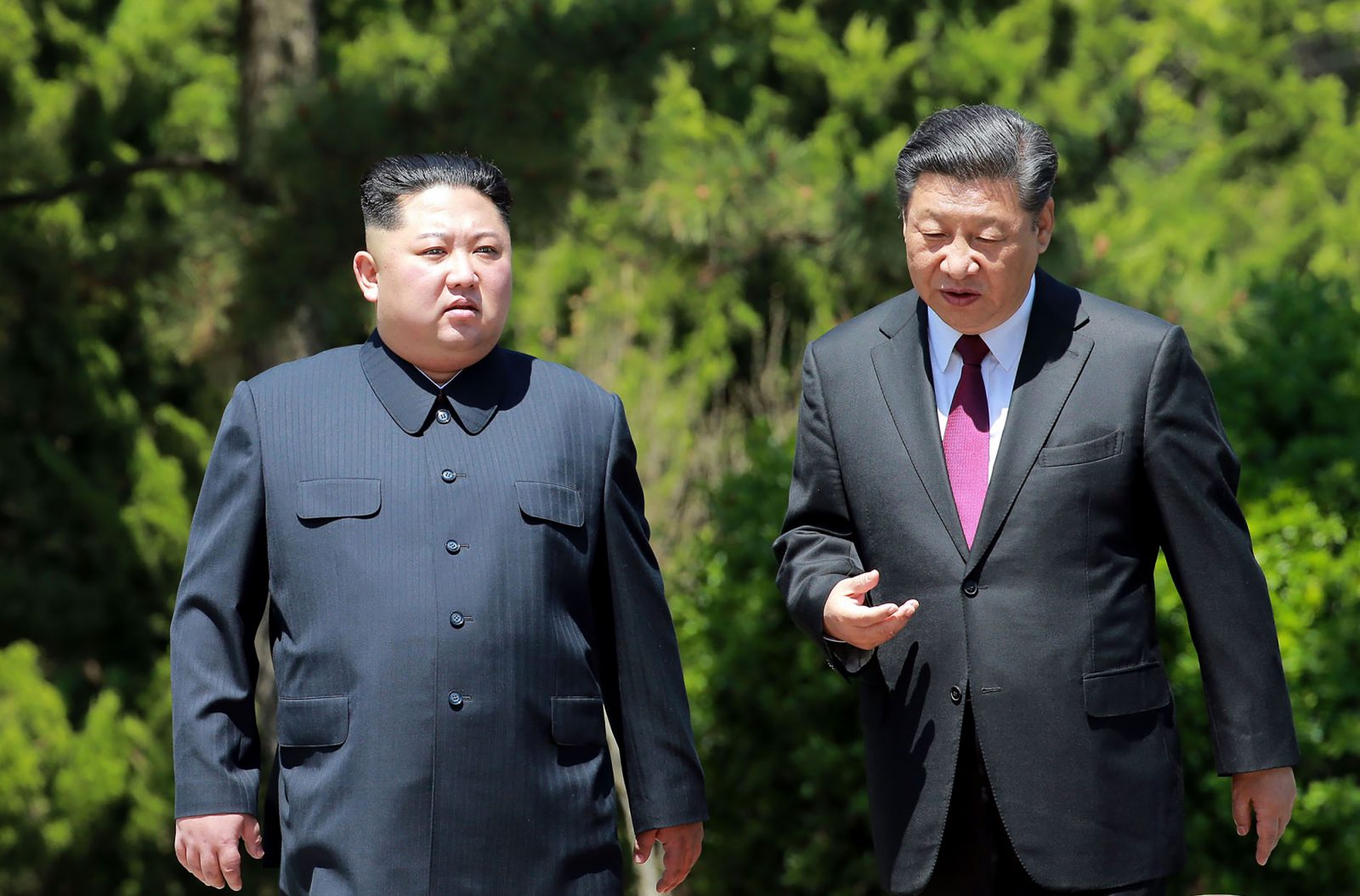
For many South Koreans, the most telling moment of the 2017 Trump-Xi meeting in Beijing was not a policy announcement but a small gesture. Walking through the Forbidden City, Chinese President Xi Jinping kept both hands in his coat pockets while beside Donald Trump. To audiences steeped in Confucian norms, the symbolism was unmistakable: America was the senior partner.
Nine years later, the choreography has reversed. On May 14, 2026, Trump arrived in Beijing for the first US presidential state visit to China since 2017, immediately offering praise. “President Xi is a great leader, and China is a great country,” Trump said, describing their relationship as “the longest and greatest relationship the presidents of the two countries have ever had.” Xi, by contrast, used the meeting to warn that mishandling Taiwan could lead to “clashes and even conflicts.”
The shift reflects more than diplomatic theater. By 2026, Beijing's confidence rests on material strength: while nominal GDP still favors the US, China surpassed the United States in purchasing-power-parity terms more than a decade ago and has continued widening the gap. As the Trump-Xi summit showed, smiles mask deep strains.
The Alliance Becomes Conditional
For decades, many South Koreans viewed the alliance with the US not simply as a security arrangement but as a relationship grounded in shared sacrifice—the Korean War and Vietnam War gave it emotional legitimacy. Trump's first term began eroding that distinction by treating Seoul and Tokyo as interchangeable free-riders, teaching many Koreans that the alliance was becoming transactional. A “blood alliance” cannot survive indefinitely once it is priced.
The deeper concern is strategic. Once alliances are reduced to questions of cost and utility, allies inevitably ask whether they would be protected in wartime when interests diverge. In 2026, the Gulf provided an uncomfortable answer. Operation Epic Fury—the February 2026 US-Israeli campaign against Iran—exposed limits: Iranian retaliation spread across the Gulf, with the UAE alone recording 1,422 drones and 246 missiles in the first ten days. Despite hosting US troops and air-defense systems, the UAE was not fully shielded. Patriot and THAAD interceptors were prioritized for American bases and Israel while Gulf allies absorbed the attacks.
For South Korean observers, the implication is difficult to miss: if countries hosting US forces can still be left exposed under fire, what exactly does the alliance guarantee? This echoes broader concerns about Indonesia's strategic drift as nations recalibrate between Washington and Beijing.
Korea as Logistics Hub
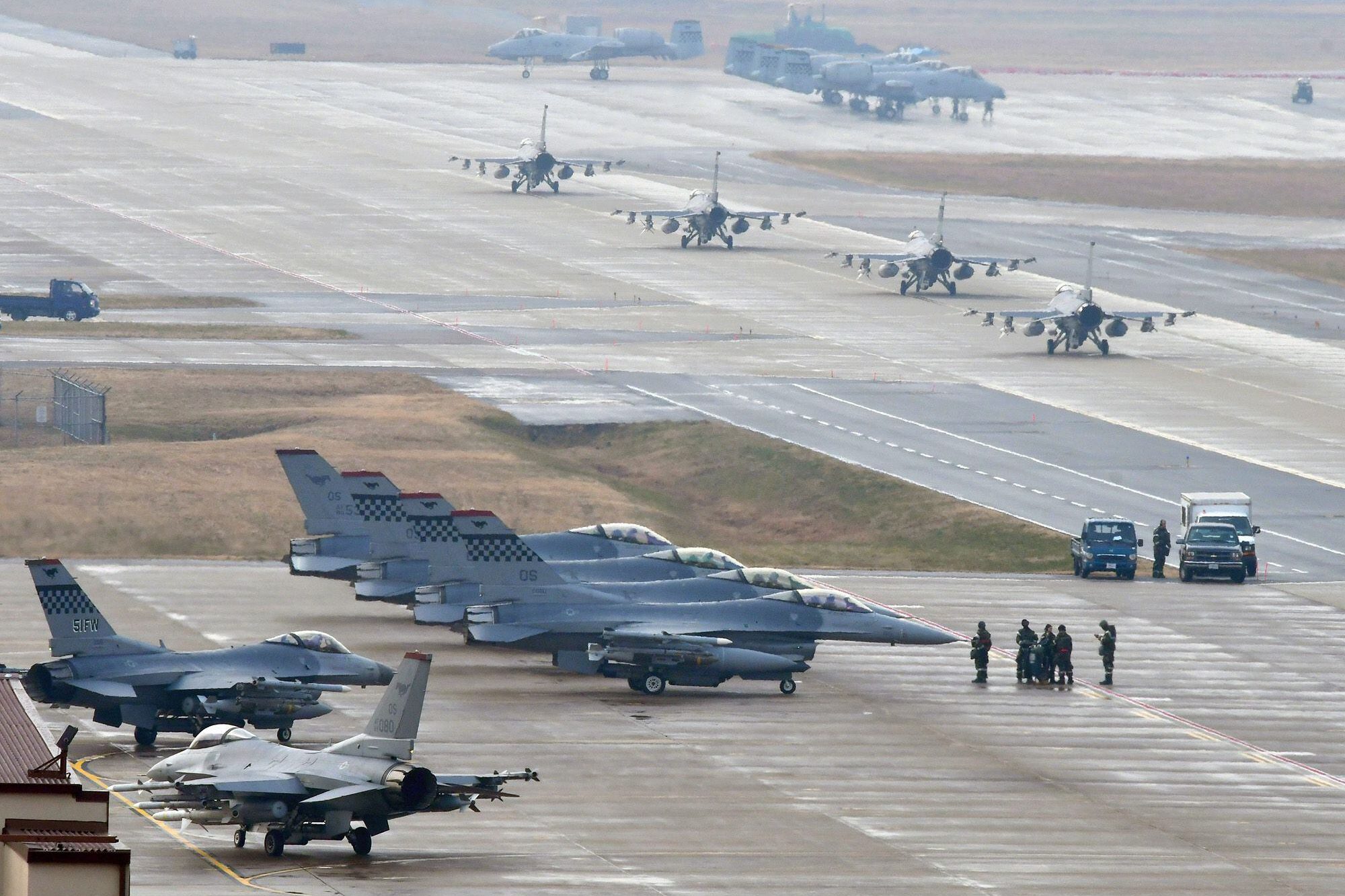
At the very moment South Koreans are questioning American guarantees, Washington's strategic expectations of Korea are expanding. At the Land Forces Pacific symposium in Honolulu on May 12-14, General Xavier Brunson, commander of United States Forces Korea, described South Korea as a future “regional sustainment hub,” arguing that sustaining a war against China from 5,000 miles away was not viable. Lieutenant General Joseph Hilbert, commander of the Eighth Army, added that confining US Forces Korea solely to North Korean defense would be a “tragic waste” of Indo-Pacific military resources.
Increasingly, the peninsula is being positioned as a logistics base for a future US-China conflict. This aligns with China's missile expansion reshaping Taiwan contingency planning.
The striking development in South Korea is no longer that progressives question the alliance, but that conservatives increasingly do as well. Even longtime defenders of the alliance are beginning to ask whether the US military presence serves Korean or American interests. Korea has historically lived within a Chinese-centered regional order and understands how to survive within it. What many South Koreans increasingly confront is something far less familiar: an America that appears to value Korea primarily for its strategic utility, with diminishing regard for Korean security.
The 2017 summit suggested to Koreans that the global hierarchy remained broadly intact. The 2026 summit suggested otherwise. Beneath the symbolism lies a deeper structural shift: a Chinese economy already larger in PPP terms, an American security architecture showing signs of selective protection, and a Washington that increasingly views South Korea less as an ally than as strategically located infrastructure.
For Seoul, the implication is not anti-Americanism. The alliance remains necessary. But South Korea must increasingly assess it the same way Washington now appears to assess Korea itself: as a relationship governed by interests, geography and strategic necessity rather than sentiment. Somewhere between Xi Jinping removing his hands from his pockets before Trump in 2017 and Trump praising Xi in Beijing in 2026, many South Koreans began sensing that the hierarchy underpinning the alliance had changed. The question now is not whether the alliance survives, but what kind of alliance it is becoming.