On July 7, South Korea began enforcing a sweeping law targeting false and manipulated information, marking a significant shift in the country's political landscape. The legislation, passed by the National Assembly in December 2025, authorizes punitive damages of up to five times proven losses against news organizations and large online channels that knowingly distribute prohibited content to cause harm or profit. Repeat offenders face administrative fines of up to 1 billion won.
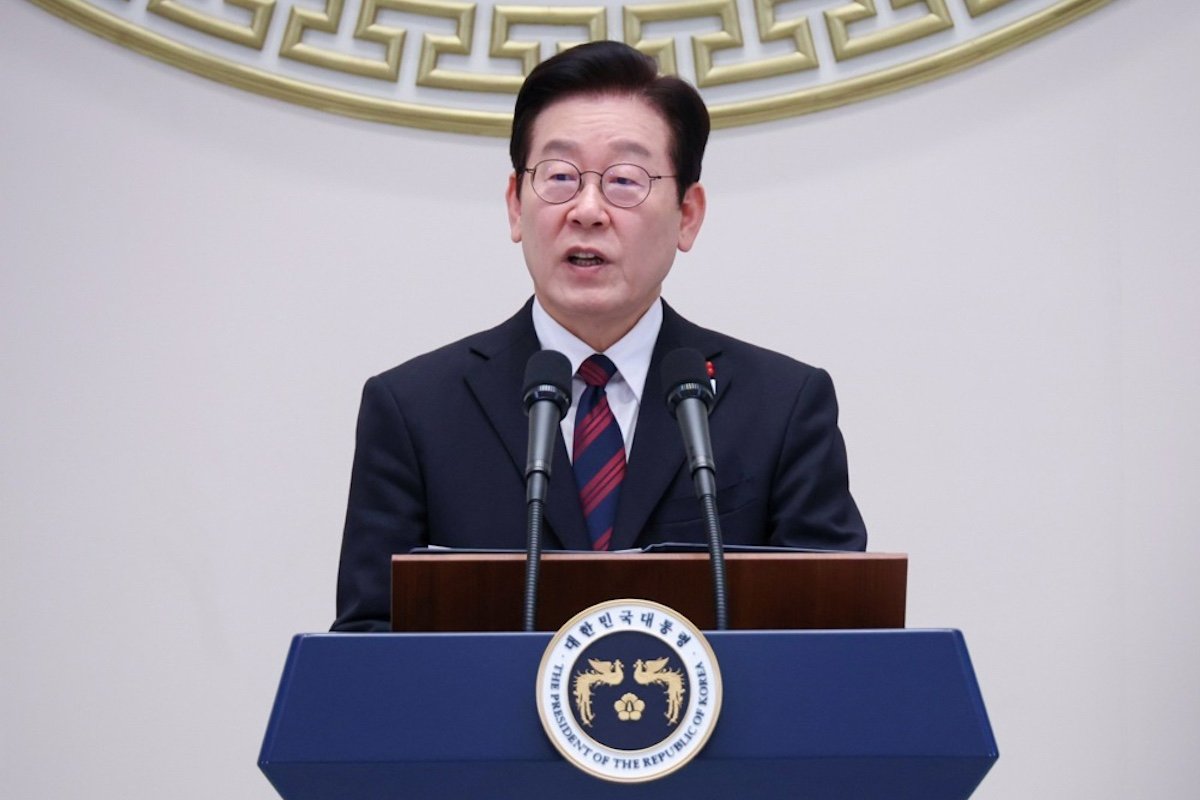
This law reflects a broader transformation in South Korean politics. Under former President Yoon Suk Yeol, the government was mired in paralysis, with the opposition Democratic Party controlling the National Assembly and filing 22 impeachment motions against administration officials before Yoon's December 2024 martial-law declaration. Yoon's response—embracing an alternative information ecosystem and sending troops to the National Election Commission—culminated in constitutional overreach. Now, President Lee Jae-myung, who leads the Democratic Party, commands both the legislature and, after June's local elections, 12 of the 16 major mayoral and provincial governments.
From Paralysis to Power
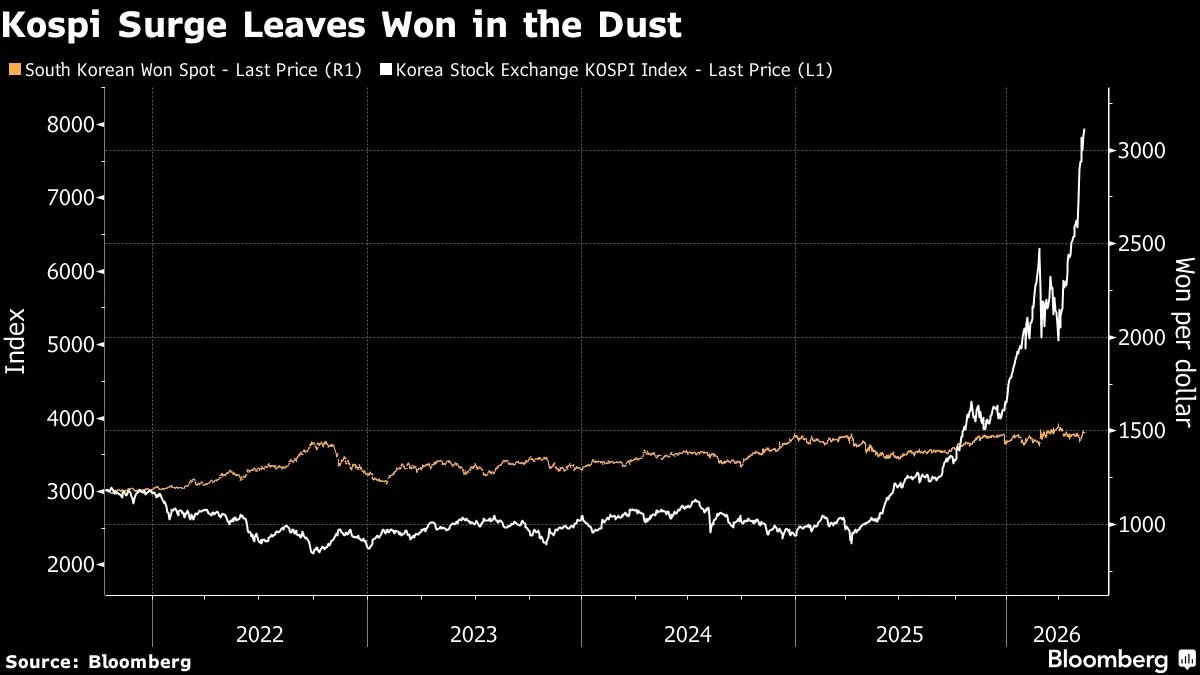
Lee's political stability has enabled tangible gains. In June, the government and major firms announced a roughly $576 billion investment strategy focused on semiconductors, physical AI, and data centers, capitalizing on the AI-memory boom. A government-mediated agreement also averted a planned 18-day Samsung strike involving approximately 48,000 workers. Lee has even eased access to North Korea's official media, Rodong Sinmun, signaling a more pragmatic approach to inter-Korean relations.
These achievements underscore a key democratic principle: governing capacity is essential. However, the concentration of power raises concerns about restraint. The new fake-news law illustrates the tension. While reducing deliberate disinformation is a legitimate aim, critics argue that the law's boundaries are dangerously unclear. Minor factual errors or broad claims could be swept into the definition of prohibited false or fabricated information. The public-interest safeguard is vague, leaving intent, harmful purpose, and public interest to be judged after publication, while the threat of fivefold damages shapes behavior beforehand.
Platforms with more than 1 million daily users must respond to reports through measures including removal or account suspension. The government insists private operators, not officials, will decide what qualifies, but critics warn that platforms will predictably err on the side of deletion. Ordinary users may not face the largest damages claims, but they fear that disputed posts will disappear or accounts will be restricted before contested facts are settled.
The law is formally viewpoint-neutral, but its political genealogy arouses conservative fears. The Democratic Party passed the measure after Lee repeatedly criticized the post-martial-law information environment, in which Yoon and pro-Yoon YouTube channels circulated election-fraud claims that helped mobilize conservative supporters. The democratic danger, as one analyst put it, is a system in which a partisan majority, regulators, litigants, and platforms share incentives to decide which political narratives are too false to circulate.
This dynamic becomes clearer when formal penalties interact with social and administrative sanctions. On May 18, the anniversary of the 1980 Gwangju uprising, Starbucks Korea launched a “Tank Day” promotion that many interpreted as evoking the military suppression of Gwangju. The backlash included boycotts, the dismissal of Starbucks Korea’s chief executive, and the Interior Ministry’s decision to stop using Starbucks products and vouchers. Shinsegae’s internal investigation later found failures in review procedures but no evidence of intentional wrongdoing.
Compare this to March 26, the anniversary of the Cheonan sinking, when Starbucks launched its “Dear20” program for Rewards members in their twenties. That promotion generated no comparable controversy, despite the potential for insult to the 46 sailors killed in the sinking. Political context, not a consistent rule, shaped which coincidence became punishable.
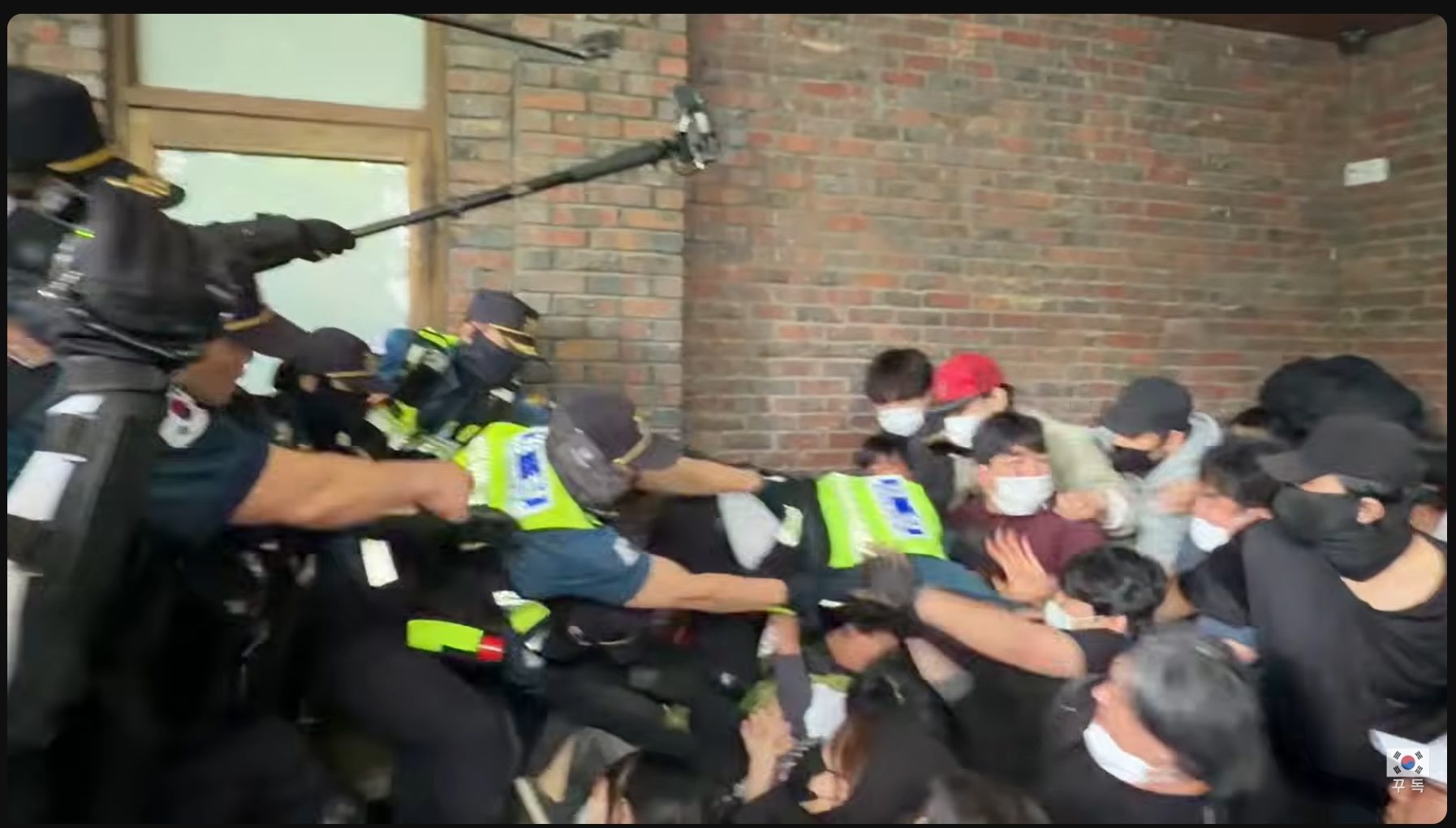
During a June 29 baseball game, some Paichai High School players shouted “Let’s go to Starbucks!” and “Tank Day!” toward the opposing dugout. The Korea Baseball Softball Association banned the entire Paichai team from national competition for six months, threatening the draft and college prospects of players not identified as instigators. Ban supporters emphasized education and deterrence; critics called the sanction disproportionate collective punishment.
When Lee Byung-tae, vice chairman of the Presidential Committee on Regulatory Rationalization, criticized the punishment and defended expressive freedom, ruling-party lawmakers demanded his resignation. On July 6, the presidential office recommended that he step down, and he resigned later that day. No single institution directed this sequence—consumers boycott, companies dismiss executives, associations ban teams, ministries make administrative choices—but the cumulative effect is a chilling environment for dissent.
South Korea's democratic experiment now faces a critical test: whether political dominance will be used to solve problems or punish those judged to have acted in bad faith. As the country navigates this new terrain, the balance between governing capacity and restraint will shape its future. For more on regional dynamics, see our analysis of Power Prevails but Law Still Matters in the South China Sea and After Three Decades, the International Push to Denuclearize North Korea Has Failed. What Comes Next?