For a quarter-century, consumer technology was the most reliable disinflationary force in the global economy. Each year, devices did more and cost less, quietly improving inflation figures worldwide. That era has ended. The structural phenomenon we first called "techflation" has hardened into a permanent force, now distorting core monetary gauges from producer prices to personal consumption expenditures.
Technology was never considered a source of inflationary pressure. Even recently, blame fell on tariffs, energy, and labor. But those excuses have faded. Trade tensions have cooled, and oil prices have retreated from war-driven highs. The eye now turns to the one category that was never supposed to rise: memory chips.
The world is inventing names for this—chip inflation, memflation, ramageddon. The vocabulary reveals intent: one does not coin a word for a phenomenon one intends to forgive. A villain is being assembled, and the naming is the first stage.
US headline inflation has climbed to 4.1%, a three-year high, with core inflation stuck at 3.4%. Producer prices for electronic components have surged nearly 27% over the past year, from under 6% in January. Computer software and accessories are up 15%. Contract prices for ordinary memory have more than doubled in just two quarters. The data center build-out alone is adding roughly 0.4 percentage points to core inflation—an extraordinary share for a single technology.
The Federal Reserve now acknowledges that the construction frenzy is pushing inflation higher. One governor has warned of a fresh price shock driven by AI investment demand. The question troubling memory makers is whether this is the old, volatile chip cycle or a new supercycle that will not turn.
This wave answers to no embargo or statute. It is pure arithmetic. Agentic systems that run without pause, and a token economy without a ceiling, pull memory into data centers, leaving the rest of the world to bid for the remainder. Pricing power has migrated from the cutting edge to even mature products because of capacity reallocation. Producers who spent two decades competing into losses now dictate terms, knowing buyers have nowhere else to go.
The Geopolitical Reckoning
Memory makers are posting extraordinary profits. In financial markets, many cannot reconcile that companies historically held in little regard are suddenly earning more than favorites in other sectors. Chatter about "price gouging" is rising, fueled by popular gadget makers. The account is skin-deep, but it lands on a target the world was already primed to dislike: the memory makers, resented long before they were rich, dismissed as commodity peddlers. Now, the fattest margins in their history harden the grudge.
Unless Samsung and SK Hynix put in real effort to rewrite this story, it will not remain a quarrel about laptops. It worsens in ways they are not braced for, and its next stage is geopolitical. As we have seen with Myanmar's scam centers fueling transnational crime, the region's economic actors cannot afford to ignore how their actions are perceived globally.
Apple's outgoing chief blamed memory, not foundry costs, for recent price increases. Memory is the safest thing to accuse in the supply chain. Nobody boycotts a chip they have never seen, sold by a company they may not name. These companies are the easiest in technology to resent. Their margins have climbed to brush Nvidia's, and a component supplier earning like the most glamorous name in the industry draws every species of scorn.
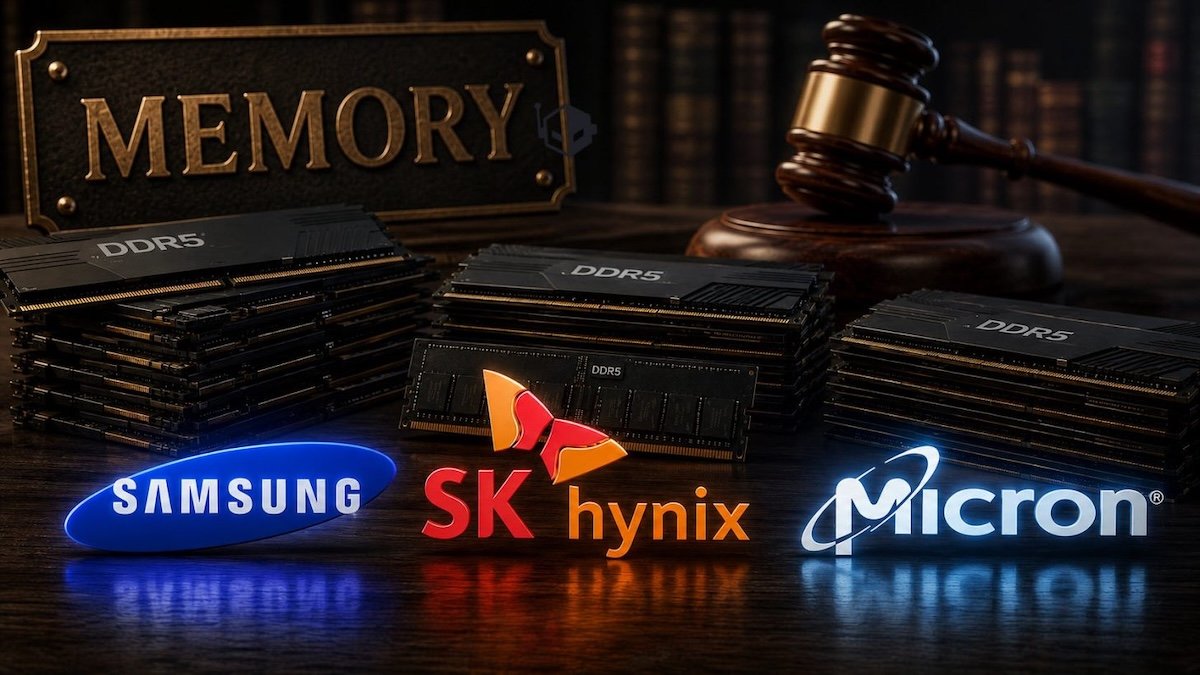
The resentment is not confined to angry consumers. A recent lawsuit in the United States has accused Samsung and SK Hynix of colluding to fix memory prices, echoing earlier antitrust cases. The timing could not be worse. As US consumers bear the cost of tariffs, any perception of price manipulation will amplify calls for regulation.
It is past time for Samsung and SK Hynix to speak up. Silence will be interpreted as guilt. They must explain that the current price surge is driven by unprecedented demand from AI and data centers, not collusion. They must engage with policymakers in Seoul, Washington, and Brussels to head off punitive measures. The alternative is a regulatory and geopolitical backlash that could reshape the memory industry for decades.