The sprawling scam compounds that have emerged across Myanmar, particularly in areas controlled by the military junta and allied armed groups, are not just a Southeast Asian crisis. They are directly fueling a consumer fraud epidemic that has cost Americans tens of billions of dollars, creating a transnational crime network that exploits both victims of fraud and trafficked laborers.
According to recent data, US consumers lost $16.6 billion to internet crime and $12.5 billion to consumer fraud in the past year, with at least $10 billion stolen by networks operating out of Southeast Asia. These funds flow directly to transnational criminal organizations that run the scam centers, financing armed group protection and sustaining regional criminal economies.
The primary tactics include investment scams, impersonation schemes, emergency scams, and increasingly sophisticated AI-based voice cloning. These technologies are weaponized to create emotional shock and compel compliance from victims, many of whom are elderly or vulnerable.
Human Trafficking at the Core
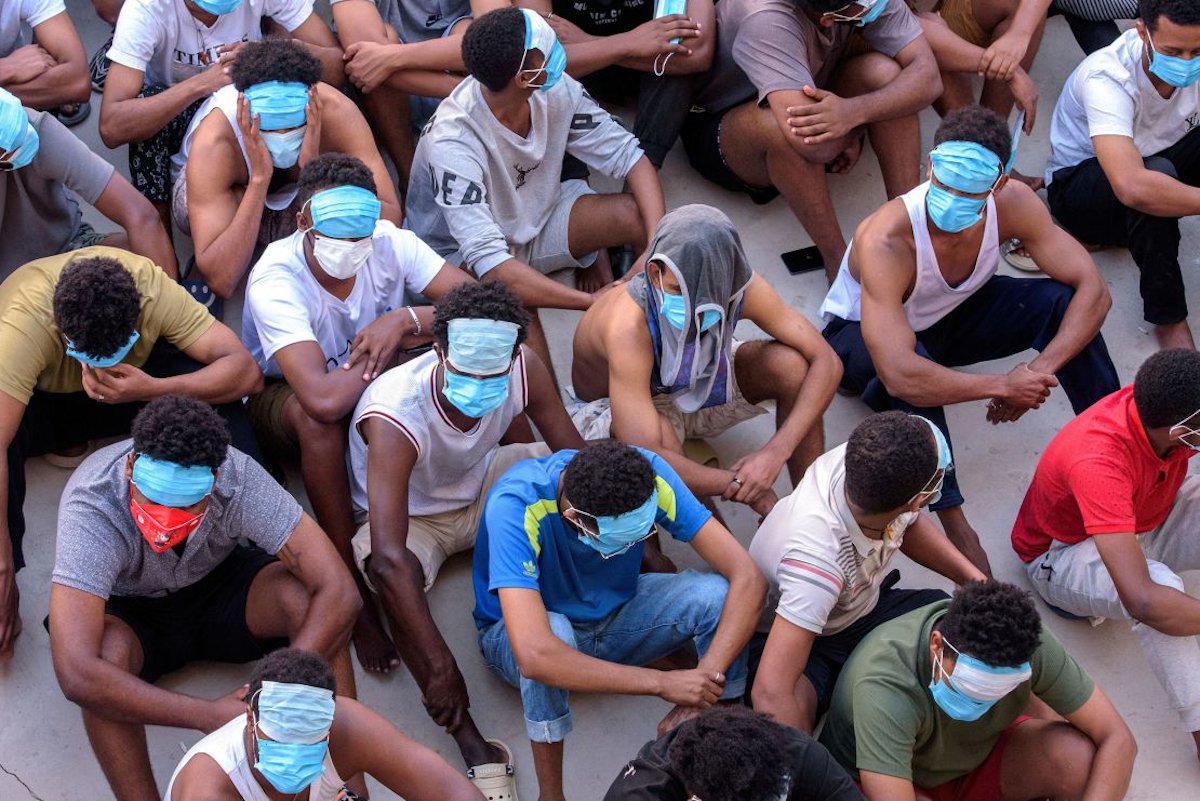
Behind the financial losses lies a brutal human trafficking operation. Victims are recruited from low-income countries and migrant communities with promises of high-paying tech or call center jobs. Once transported across borders, their passports are confiscated, and they are held in debt bondage within prison-like compounds.
Survivors describe 18-hour work shifts, daily financial quotas, and digital dashboards tracking performance. Punishments for failure include solitary confinement, beatings, and electric shocks. Residents on the Thai side of the border near these compounds report hearing shouting and escape attempts, with bodies occasionally discovered downstream in the Moei River.
Women are particularly vulnerable. Traffickers deceive them with fake job offers, only to imprison them in conditions where sleep, food, and water are denied. Torture is used as punishment for resistance. Reports also indicate forced marriages, sometimes arranged by parents hoping to secure better opportunities for their children, often with Chinese nationals.
Limited Success of Crackdowns
Despite US sanctions targeting the Karen Border Guard Force (BGF) and the Democratic Karen Benevolent Army (DKBA), and large-scale raids by regional authorities, the compounds persist. They quickly reopen, relocate to conflict zones, and continue operations via satellite internet. As Southeast Asia's Scam Compounds Persist Despite High-Profile Shutdown Claims, the problem requires more than sporadic enforcement.
Armed groups complicit in the trafficking must face aggressive asset freezes and extraditions. Myanmar's military junta, which controls many of the territories where these centers operate, should be met with targeted sanctions. Survivor testimonies need protection, and legal and translation support must be provided to those seeking justice.
Legislative Response in Washington
In response to the growing threat, US members of Congress have introduced two bills: H.R. 5490, the Dismantle Foreign Scam Syndicates Act, and S. 2950, the Scam Compound Accountability and Mobilization (SCAM) Act. Both target transnational scam compounds and cyber-fraud in Southeast Asia, but they differ in approach. The bills aim to increase pressure on the networks, but their effectiveness will depend on international cooperation and enforcement capacity.
Global awareness campaigns are also critical, particularly those focused on recognizing AI-driven voice cloning and urgent payment schemes. As AI-Driven Biology Outpaces Governance, Raising Dual-Use Risks Across Indo-Pacific, the weaponization of technology in these scams underscores the need for updated consumer protections.
The interconnected nature of this crisis means that addressing it requires coordinated action across borders. The US cannot treat this as a distant problem; the dollars lost by American consumers are the lifeblood of a system that enslaves thousands and destabilizes an entire region.



