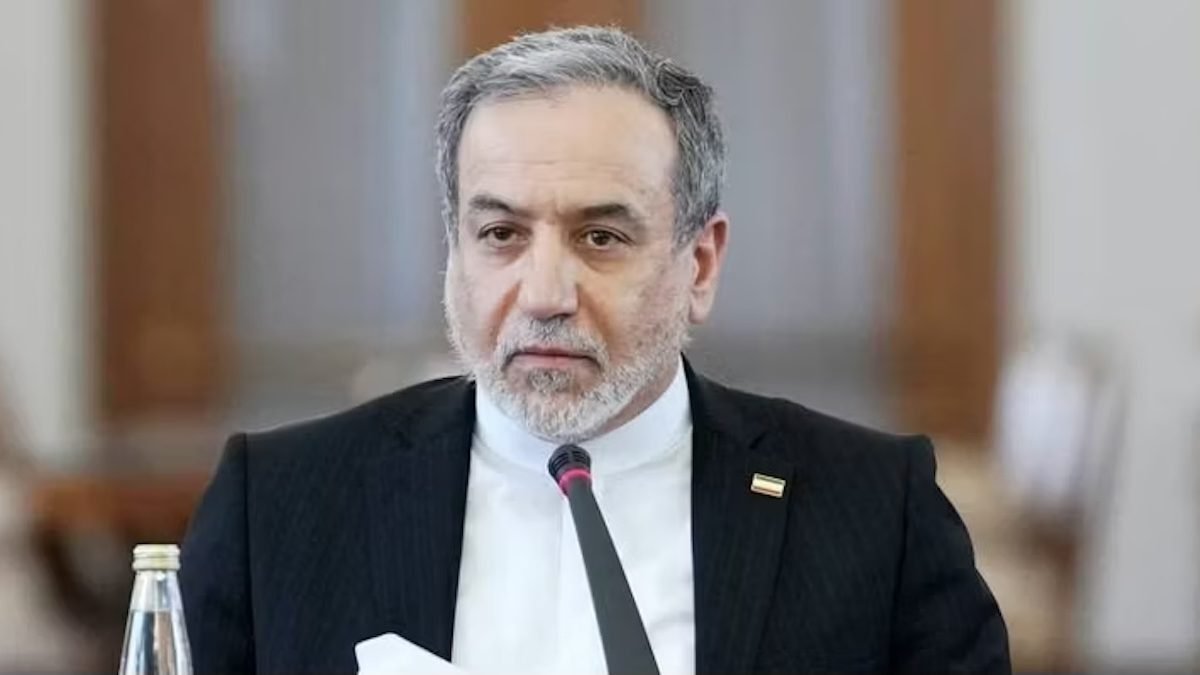
Iranian Foreign Minister Seyed Abbas Araghchi on Monday ridiculed President Donald Trump's proposal to impose a 20% fee on commercial vessels transiting the Strait of Hormuz, a critical waterway for global oil shipments. In a pointed social media post, Araghchi sarcastically endorsed Trump's logic while asserting Iran's own historical role as the strait's protector.
"POTUS is absolutely right," Araghchi wrote. "Whoever provides secure and safe passage of commercial vessels through the Strait of Hormuz should be compensated for this service." He added, "Iran has always been the GUARDIAN of the Strait and will remain so FOREVER. 20% is of course too much. We will be fair."
Trump's Proposal and Regional Reactions
Trump announced the plan during a Monday morning call to Fox & Friends, stating the United States would be "the guardian angel of the strait" and "we're gonna get paid for guarding it." He later expanded on Truth Social, declaring the USA would be known as "THE GUARDIAN OF THE HORMUZ STRAIT" and demanding a 20% reimbursement on all cargo shipped to cover costs in what he called "this very volatile section of the World."
The proposal has drawn sharp criticism from analysts, who note that Trump's demanded fee far exceeds the 1-2% toll Iran has historically sought from ships in the strait. Some experts warn that Trump's rhetoric may inadvertently strengthen Iran's case for imposing its own charges, as both nations vie for control over the waterway. This dynamic is explored in depth in our analysis Why US Military Force Alone Cannot Secure the Strait of Hormuz.
Adding to the confusion, US Secretary of State Marco Rubio told journalists just weeks ago that "no country is allowed to charge tolls or fees on an international waterway. That's existing international law." Rubio insisted that all regional countries would agree with this position, a stance now seemingly contradicted by Trump's proposal.
The Strait of Hormuz, a narrow passage between Iran and Oman, handles about 20% of the world's oil supply. Iran has long used its strategic location to exert influence, and the latest exchange underscores the ongoing contest over its governance. For more on regional dynamics, see Iran's Strait of Hormuz Gambit Faces Rising Regional Pushback.
Critics argue that Trump's approach risks escalating tensions with Iran and alienating key allies in the Middle East and Asia, including major oil importers like China, India, Japan, and South Korea. These nations depend on the strait's free passage and have historically opposed unilateral tolls. The broader implications for Asian energy security are significant, as any disruption could ripple through supply chains.
Araghchi's mockery reflects a calculated diplomatic strategy to position Iran as the legitimate guardian of the strait while painting the US as an overreaching outsider. The exchange also highlights the fragility of international norms governing waterways, a topic examined in Iran Drags US Into Protracted Conflict Over Strait of Hormuz, Defying Trump's Wishes.
As the standoff continues, the region watches closely. The Trump administration's inconsistent messaging—from Rubio's legalistic stance to Trump's transactional toll—raises questions about US strategy in the Indo-Pacific and beyond. For now, Iran appears to have seized the rhetorical upper hand, challenging Washington to clarify its position on one of the world's most vital maritime chokepoints.



