Iran's recent moves to disrupt shipping through the Strait of Hormuz are increasingly looking like a short-term gamble with long-term consequences. By threatening the vital waterway, Tehran has temporarily spooked global oil markets, but it may have permanently undermined its own strategic position.
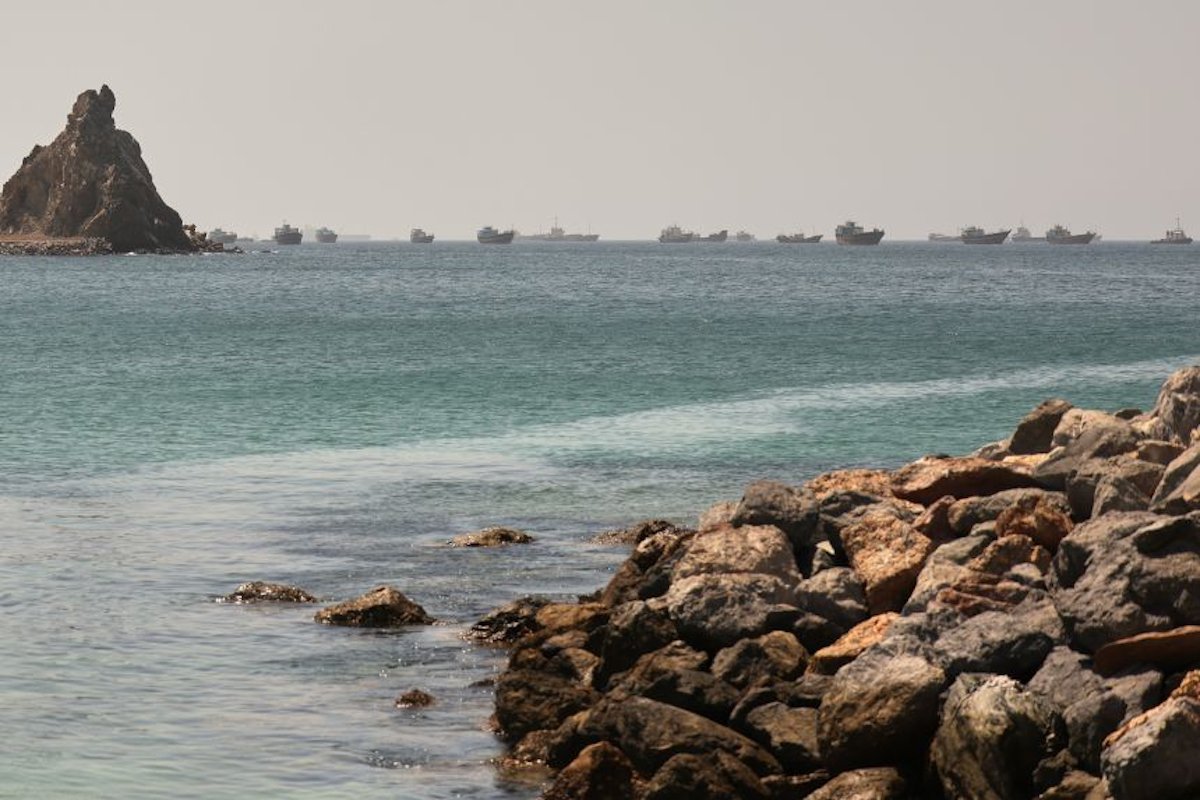
Traffic through the strait has dropped sharply: on July 8, only 13 tankers crossed, compared with an average of 33 per day the previous week. The decline follows Iranian attacks on at least three vessels, which prompted a renewed US military response. While oil prices have not yet fully priced in a closure, markets could grow more volatile if no truce is reached soon.
The current standoff rests on an ambiguous compromise: Iran refrains from explicitly threatening the strait while not formally renouncing its ability to do so. But this tactical pause masks deeper calculations. By actually using the threat, Iran has forfeited its long-term leverage—the mere possibility of closure was more valuable than its execution.
Alternatives to Hormuz Gain Traction
Gulf states are accelerating plans to bypass the Strait of Hormuz entirely. Pipelines to the Indian Ocean and the Mediterranean are being developed, which would eventually render the chokehold relevant only for Iranian oil exports. Tehran would then be trapped by its own strategy, with no alternative routes for its crude.
Some Iranian strategists argue for maximizing short-term gains by partially closing the strait—enough to drive up insurance premiums and oil prices without fully blocking traffic. Even sporadic attacks can achieve outsized market effects, a low-cost, high-impact tactic. But this approach risks provoking a broader coalition against Iran.
In Washington, discussions have surfaced about occupying Iran's Kharg Island, the key terminal for oil exports. Yet the memory of Iraq and Vietnam looms large: any US ground operation could quickly become a quagmire, with unidentified missile batteries targeting American forces. As one analyst put it, “the first step into quicksand” could lead to deeper entanglement.
Israel may favor outright regime change in Iran, but other regional powers do not. Turkey, Saudi Arabia, Egypt, and Pakistan currently maintain a working relationship with the United States and have cool or difficult ties with Israel. A pro-Israel, pro-US Iran would upend the regional balance, forcing these nations to recalibrate their alliances. No one wants a nuclear Iran or one that controls Hormuz, but a pro-Israeli Iran is a different matter entirely.
The broader geopolitical context complicates any US-led action. With an ongoing war in Ukraine, unresolved tensions with China, and North Korea's accelerating nuclear program, embarking on a new military adventure in Iran would be risky. As one observer noted, “is it wise to embark on an uncertain adventure in Iran?”
Iran appears to have only a short-term game: threatening Hormuz while dragging its feet on nuclear negotiations. The Trump administration may seek a quick resolution to avoid interference with the November midterm elections, while Iran may prefer to keep the pressure on until after the vote. But this strategy has a limited shelf life. Before the elections, Trump might offer concessions; afterward, his interest in compromise will wane.
Meanwhile, the nuclear threat and the Hormuz chokehold have created a new convergence of interests beyond Israel. Turkey, Saudi Arabia, Pakistan, and India all have stakes in reopening the strait and halting Iran's nuclear program. Their potential intervention would look very different from US-Israeli action, but it could still isolate Tehran.
For Iran, the clock is ticking. The longer it relies on short-term brinkmanship, the more it risks uniting a diverse set of regional and global powers against it. Tehran must decide how to play its high-stakes cards before the window of opportunity closes.