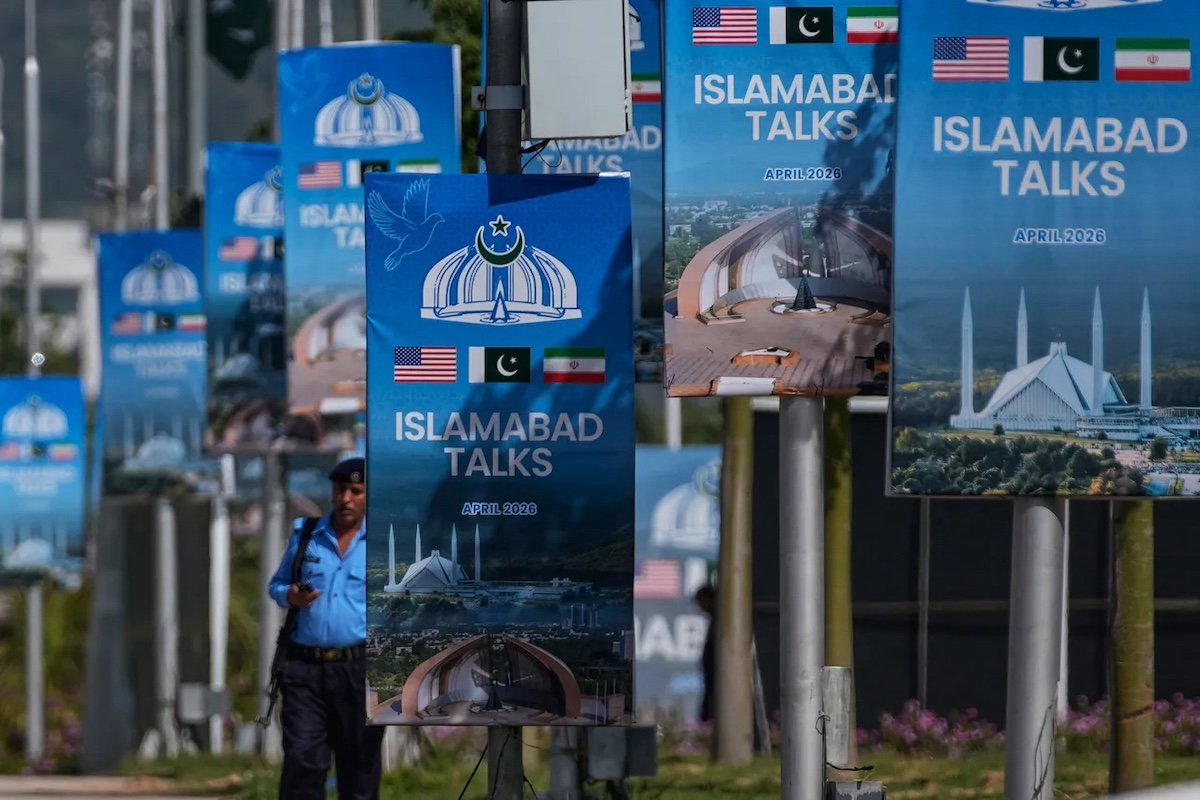
The United States has carried out a series of military strikes against Iranian positions following Tehran's targeting of commercial vessels in the Strait of Hormuz. These actions represent the most serious breach yet of the Memorandum of Understanding signed on June 17, and effectively signal the collapse of the truce that had held since April 8.
President Donald Trump, who had previously avoided declaring the ceasefire dead, has now explicitly stated it is over. Yet the administration appears reluctant to escalate into a full-scale war. The result is a dangerous drift: the US is being pulled into a prolonged conflict with Iran, against the president's own stated intentions.
Control of the Strait
The immediate trigger for the latest round of strikes is Iran's insistence on dominating the Strait of Hormuz, a vital chokepoint for global oil shipments. Under the June 17 memorandum, Iran pledged to use its "best efforts" to ensure safe passage for commercial vessels without imposing fees for 60 days. But tensions flared almost immediately over which maritime route ships should use.
Iran wants all vessels to use a corridor that hugs its own coastline, where it can monitor and control traffic closely. The US and its allies have endorsed an alternative route—the so-called Omani route—that runs along Oman's coast and involves international coordination. The strait is too wide for Iran to enforce its preferred route without the threat or use of force, and Tehran has shown it is willing to fire on ships that choose the Omani path.
Asymmetric strengths
The ceasefire has proven fragile in part because the US and Iran possess very different advantages. The US holds overwhelming military superiority, but lacks the political will to sustain a long war. Washington does not want to put troops on the ground in Iran, exhaust its arsenal in a protracted campaign, or divert global military resources to focus solely on Tehran.
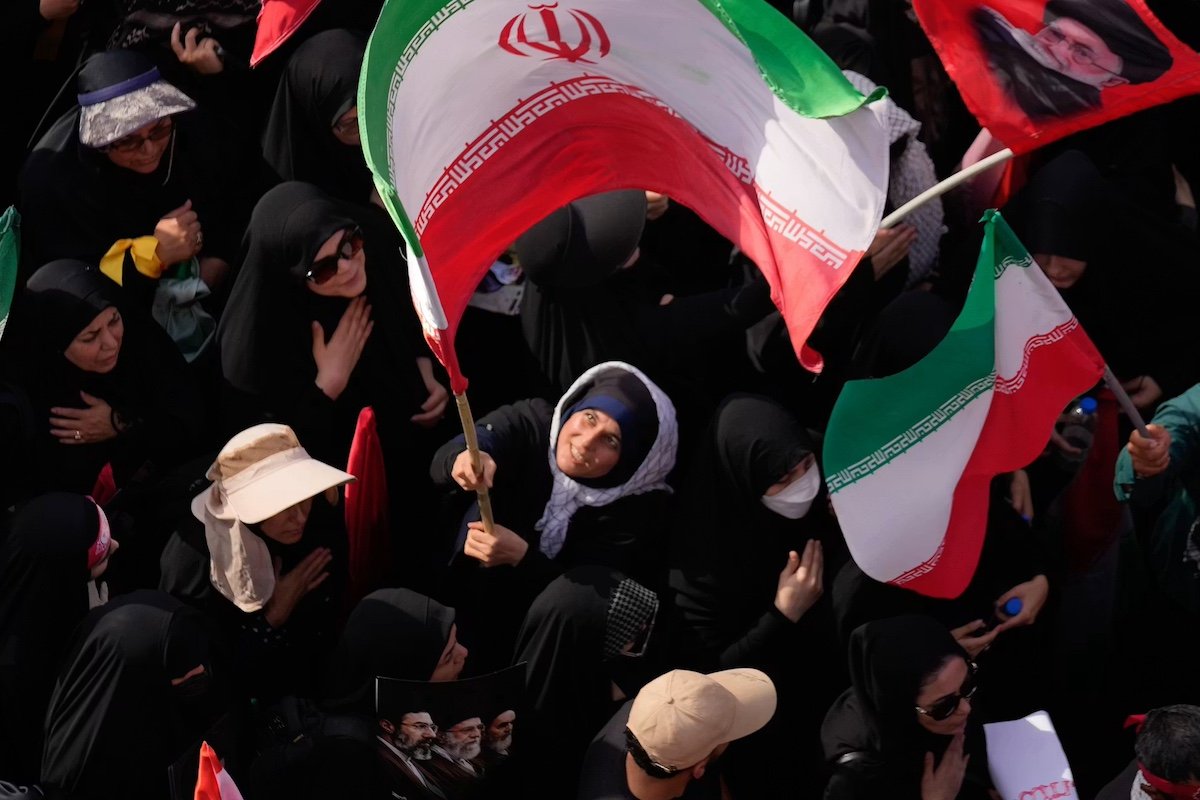
Iran's strength lies in its political resolve. The regime, hardened by the assassination of key leaders early in the conflict, is determined to survive. It is ideological, savvy, and ruthless—willing to bear enormous economic and security costs to project control. This resolve is visible in its willingness to threaten civilian vessels with cheap drones and attack boats, a low-cost strategy that forces the US to respond with expensive precision strikes.
Iran's main weakness is economic. The war has inflicted severe damage on its infrastructure and military. It could not withstand a prolonged US blockade of the Strait of Hormuz or sustained air strikes on its economic assets. Yet the regime calculates that appearing uncompromising is more important for its survival than accepting the economic benefits of sanctions relief or a promised $300 billion reconstruction fund.
Domestic politics drive escalation
Internal political dynamics in both countries are pushing the conflict toward a breakdown of the ceasefire. In Iran, the Islamic Revolutionary Guard Corps (IRGC) has tightened its grip on power. Leaders who even talk to US counterparts risk being branded traitors by hardliners, as history has shown with the assassinations of President Anwar Sadat of Egypt in 1981 and Prime Minister Yitzhak Rabin of Israel in 1995. This makes any concession politically dangerous.
In Washington, Trump faces a domestic audience that does not support a return to full-scale war. But he is also under pressure from those who oppose walking away from the conflict without a deal on Iran's nuclear program or its control of the strait. Trump expected Iran to cooperate with the memorandum in exchange for economic relief, but he has underestimated Tehran's determination to assert dominance in the region.
The most likely scenario is a return to the precarious status quo that prevailed between the first ceasefire on April 8 and the June 17 memorandum: a frozen conflict below the threshold of all-out war, but not a genuine peace. Tit-for-tat strikes will continue, the strait will remain partially closed, and security will stay uncertain. The US is being dragged into a long war with Iran, against Trump's will, with no clear exit in sight.