For months, the Sea of Azov was considered a safe haven for Russian shipping—a body of water entirely under Moscow's control since the 2022 invasion. That assumption is now crumbling. Over the past several weeks, Ukrainian forces have systematically targeted Russian-controlled vessels in the Azov, using a combination of aerial and maritime drones to cripple or sink ships. The operation, part of a broader effort to isolate Crimea, has turned what was once a Russian lake into a contested zone.
The strategic importance of the Sea of Azov is clear from a map. With road and rail links to Crimea severely degraded and the Kerch Bridge increasingly risky for transporting fuel, maritime resupply has become Russia's primary alternative. Ukrainian officials have framed the Azov campaign as a key component of the "Crimea switch-off" operation, designed to sever the peninsula's logistical ties to the Russian mainland.
But the stakes go beyond military resupply. The Sea of Azov is a critical artery for Russian grain exports—both stolen Ukrainian grain and Russia's own harvest. Analysts estimate that up to a quarter of all Russian-controlled grain shipments pass through these waters. Oil shipments also traverse the Azov, and as Western sanctions have struggled to curb Russian crude exports, Ukraine has taken matters into its own hands with what it calls "kinetic sanctions."
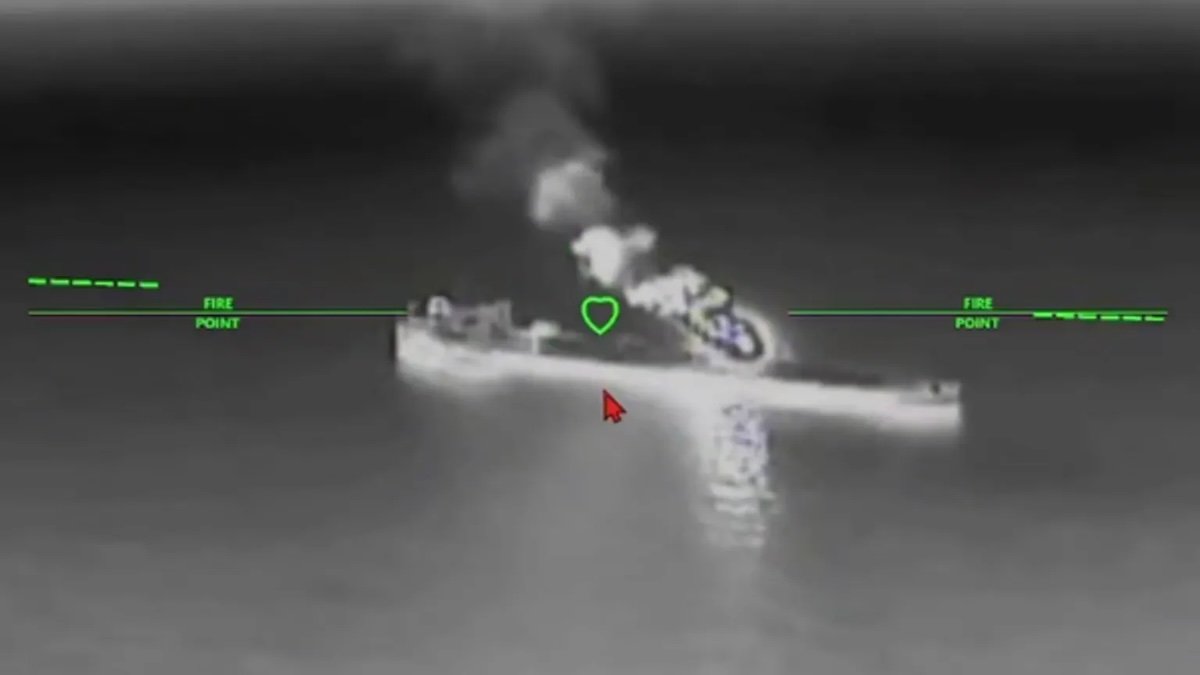
According to the General Staff of the Armed Forces of Ukraine and Unmanned Systems Forces Commander Robert "Magyar" Brovdi, Ukrainian strikes have hit at least 28 vessels since the campaign intensified. The targets include 21 oil tankers, four tugboats, two cargo vessels, and one specialized dredging ship. The extent of the damage is still being assessed, but the message is unmistakable: no Russian-controlled vessel is safe in the Azov.
The Ukrainian tactic appears to focus on disabling ships rather than destroying them outright. Aerial drone footage shows strikes aimed at the bridge of vessels, likely to render them uncontrollable without sinking them. Sea drones, by contrast, are used for more destructive attacks. This approach maximizes disruption while conserving munitions.
The impact has been immediate. On July 10, Russian authorities reportedly banned all new traffic through the Kerch Strait, the narrow passage connecting the Sea of Azov to the Black Sea. There is no indication when the restriction will be lifted. If Ukrainian drone capabilities remain at their current level and Russia fails to develop effective countermeasures, the Azov could remain functionally closed to Russian shipping for the foreseeable future.
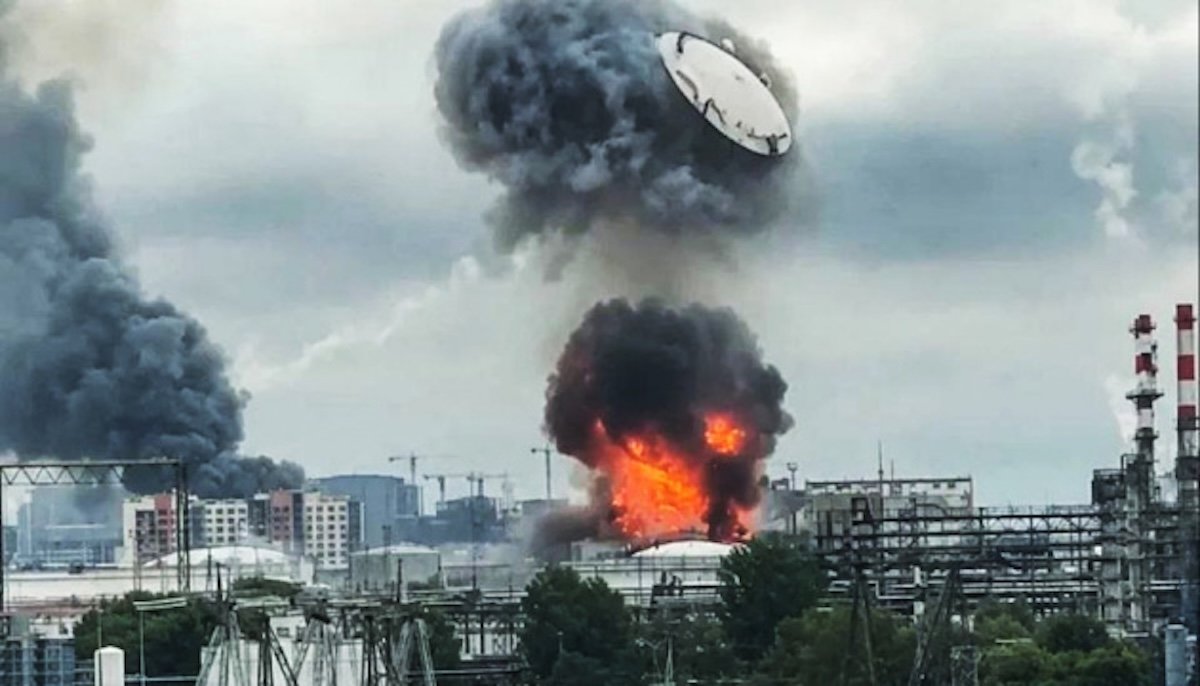
This campaign is unfolding against a backdrop of broader Ukrainian pressure on Russian infrastructure. This week, Ukraine struck Russia's largest oil refinery, a facility notable not only for its size but also for its location deep inside Russian territory. The strike signals a steady increase in the range of Ukraine's long-range drone operations, compounding headaches for the Russian military.
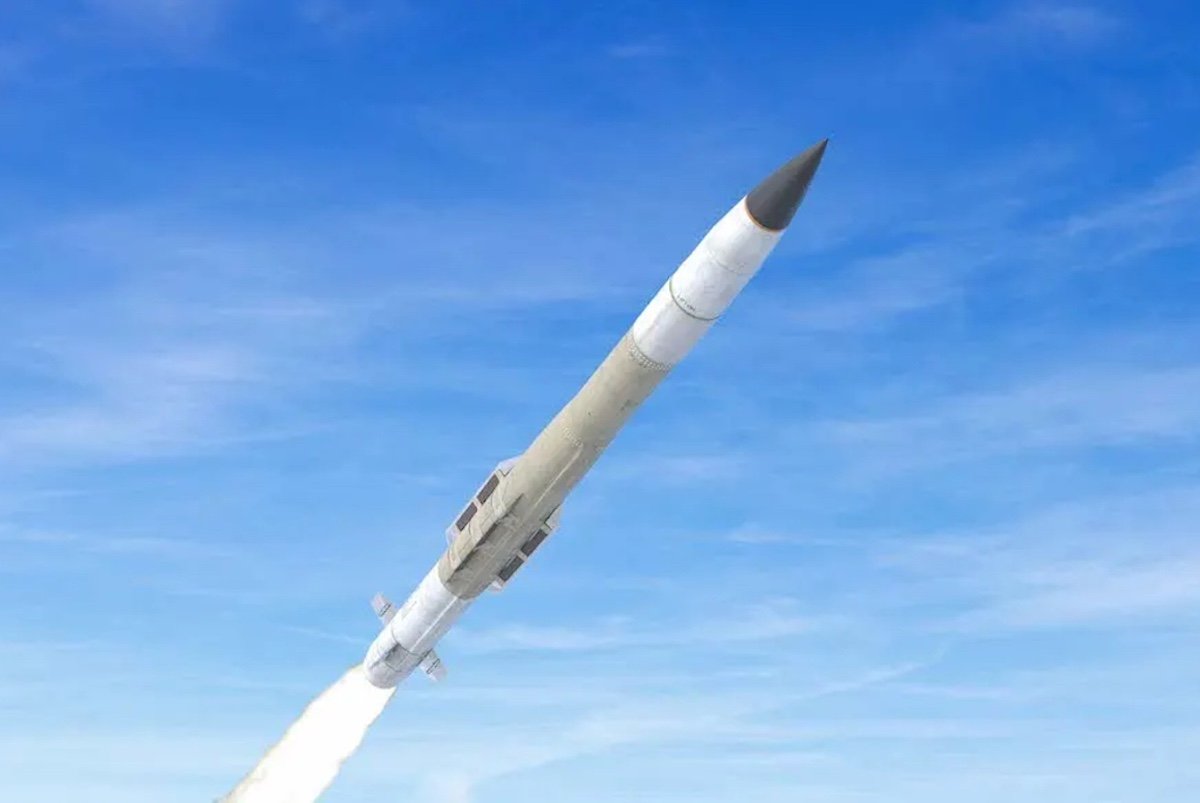
Meanwhile, the United States has made clear that Ukraine cannot count on significant new American aid in the near term. Washington has been slow to provide Patriot interceptors, a shortage that has made Russian ballistic missile strikes more deadly over the past year. The US offer of a PAC-3 missile production license, while welcome, comes with key limits that will not immediately address Ukraine's air defense gaps.
The Azov campaign deserves far more attention than it has received. It is a strategically impactful operation, executed effectively at a critical moment. By strangling Russian supplies to Crimea and damaging grain and fuel shipments, Ukraine is hitting Moscow where it hurts—just as the Russian economy struggles to sustain the war effort. Whether Russia can develop a working counter to this drone campaign remains an open question. For now, the Sea of Azov is no longer a Russian lake.