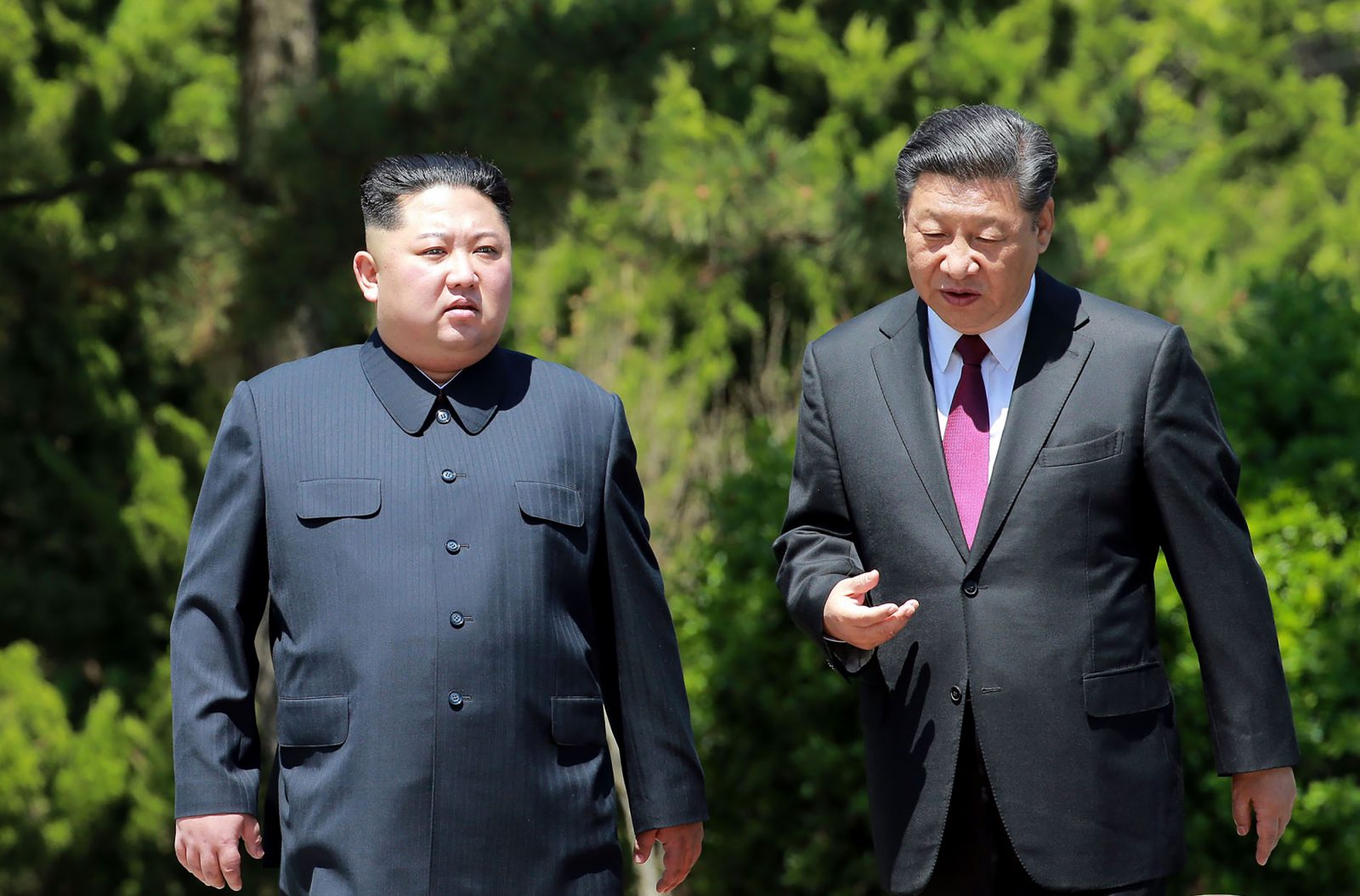
Chinese President Xi Jinping is preparing for a delicate visit to Pyongyang, one that underscores how far the Sino-North Korean relationship has drifted from the "lips and teeth" metaphor of the Korean War era. That bond, once defined by shared sacrifice, has become a web of contradictions for Beijing.
North Korea has emerged as perhaps the single greatest beneficiary of the war in Ukraine. In exchange for supplying weapons and troops to Russia, Pyongyang has gained access to advanced Russian technology, enabling a strategic leap in its missile and nuclear capabilities. Just ahead of Xi's visit, North Korea declared its nuclear program "irreversible."
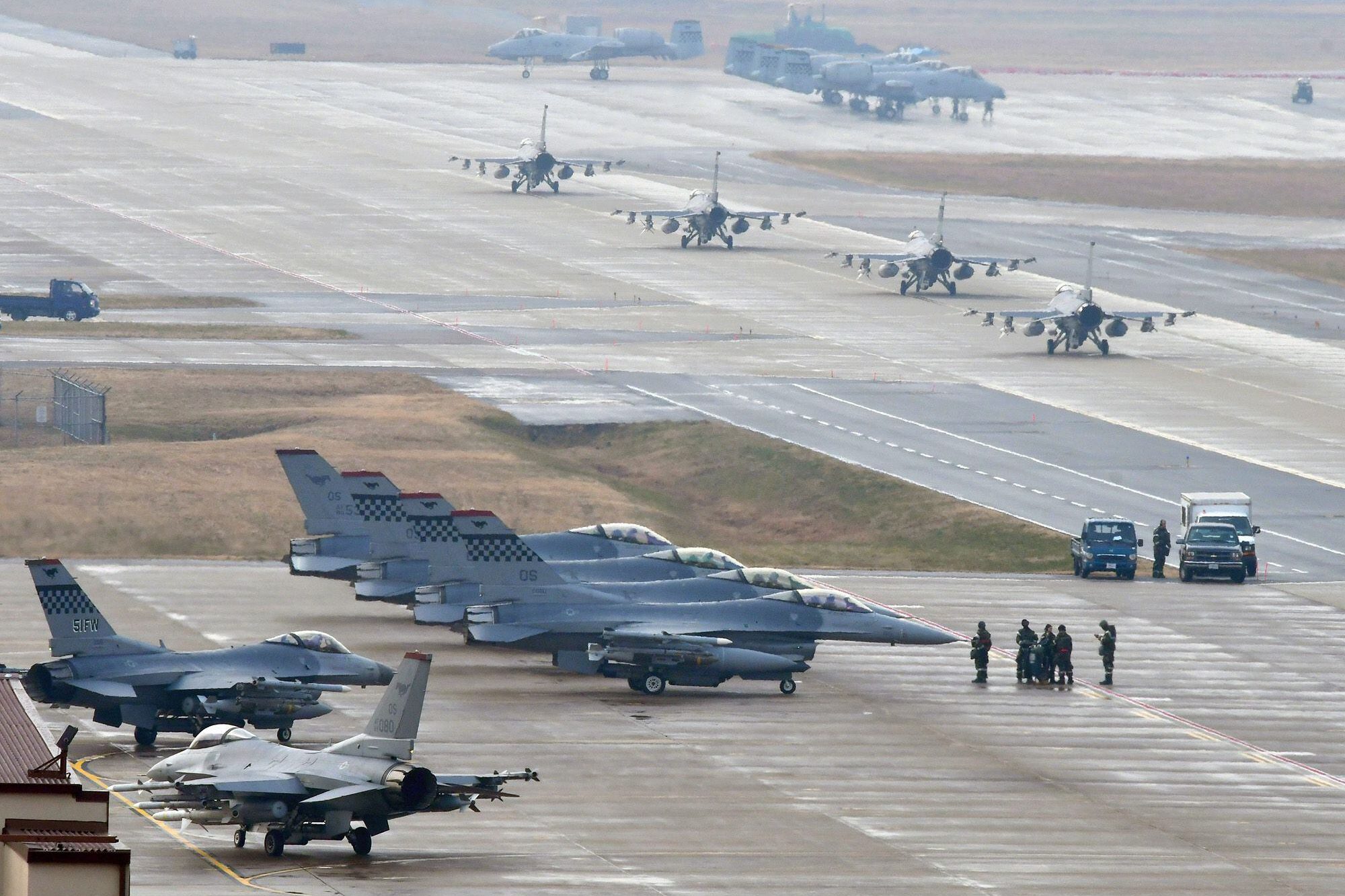
This development creates two serious problems for China. First, it has alarmed South Korea and Japan, pushing both into a rearmament race. The North Korean threat provides a genuine justification for Seoul and Tokyo to bolster their militaries—a move that implicitly targets China as well. Second, the deepening political bond between Moscow and Pyongyang places a significant burden on Beijing's influence in Russia. If North Korea becomes akin to eastern Belarus, it could pose a threat to Chinese interests, perhaps greater than the growth of Chinese investments in Siberia worries Moscow.
Neither Russia nor North Korea is willing to abandon this new relationship, despite both depending on China. Meanwhile, the rearmament of South Korea and Japan gives Moscow and Pyongyang a new lever over Beijing. This pressure may outweigh any advantage China might gain by using North Korea as a wild card against Taiwan, the de facto independent island that Beijing claims as part of its territory.
A Diplomatic Tightrope
Xi is likely to pursue not a complete solution to this dilemma but rather a shake-up of the bilateral relationship. A rapprochement—perhaps a reopening of dialogue between North Korea and the United States—could give China breathing room. After Xi's visit, North Korean leader Kim Jong Un might meet former U.S. President Donald Trump to negotiate a nuclear deal. Such an agreement could serve as a diplomatic bargaining chip for Beijing, pressuring Washington to lean on Seoul and Tokyo.
This is a puzzle with millions of moving pieces, and the chance of anything fitting together would be something of a miracle. North Korea has not historically served China well. Mao Zedong's intervention in the 1950s cost him dearly: he lost his son and heir in an American bombing and had to abandon any plan to conquer Taiwan. The Korean War dealt the newborn Chinese regime two systemic blows—the end of an imperial line of succession and the failure to destroy its existential enemy, Nationalist China, which from Taiwan challenged the legitimacy of communist rule in Beijing.
Xi's trip cannot be a non-event. But whether it will be enough to get Trump to meet Kim, and whether that will assuage South Korean or Japanese fears, remains unclear. That something is moving in this direction is nonetheless significant. It signals that China is unhappy with the situation on the Korean Peninsula, that it has not been well managed, and that the top leader must step in personally to set things right.
The parallel with Mao is instructive. Xi came to power by skillfully maneuvering China's internal political machinery. Mao gained authority through war and foreign policy, playing Japanese against nationalists, Russians against Americans, and emerging as China's leader in 1949. But his game of cross-betrayals was blocked by Russia's Joseph Stalin, who compelled him to defend Kim Il Sung, severing ties with the U.S. and dashing hopes of conquering Taiwan. After the Chinese intervention, the U.S. Navy deployed to defend the island.
Xi, in some ways, works in reverse. He has shown mastery in seizing and maintaining domestic power, but his foreign policy judgment has shown flaws—perhaps due to the military's role in shaping strategy. With the army purged, it falls to Xi to see whether he can navigate this crisis. For more on Beijing's evolving global posture, see Xi Jinping's Patient Strategy Reshapes Global Power Dynamics and Xi Jinping's New US-China Formula Signals Beijing's Self-Confident Shift in Terms.