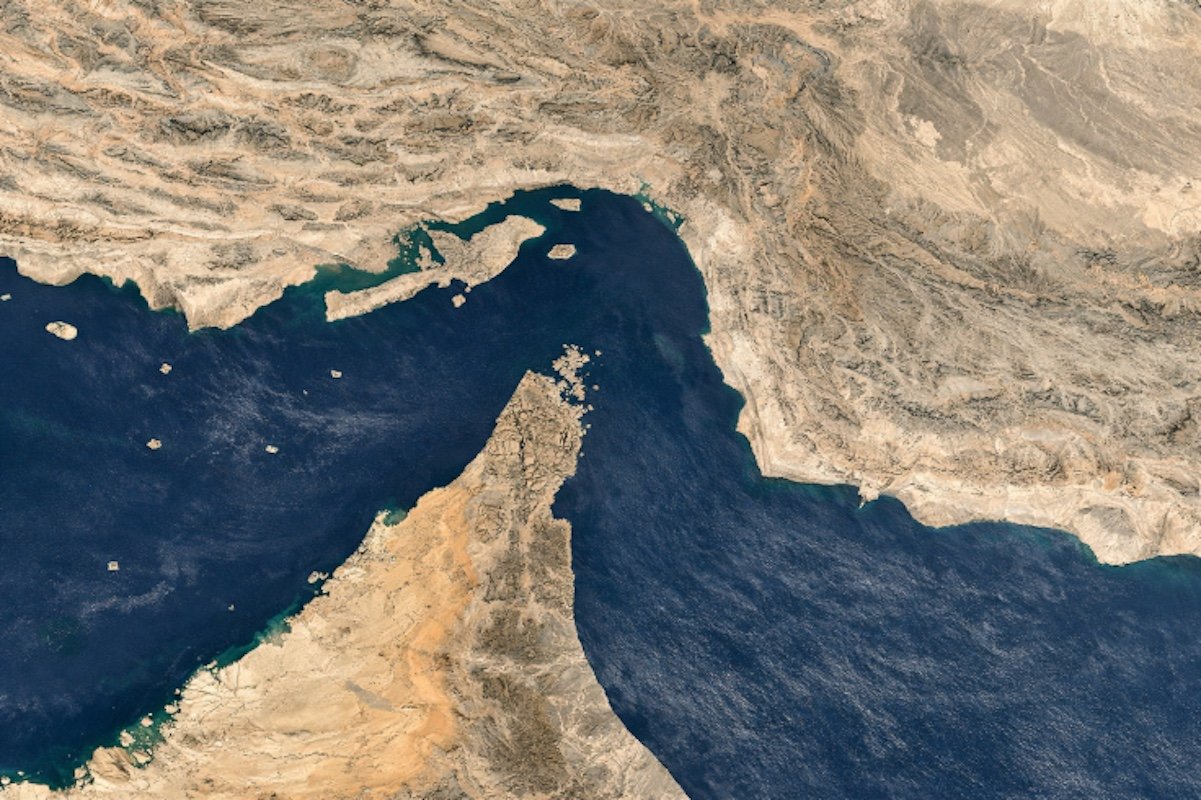
On Monday, the Iran-backed Houthi movement in Yemen declared a “maritime embargo” against Saudi Arabia, targeting vessels traveling through the Bab el-Mandeb Strait. This narrow waterway, whose Arabic name translates to “Gate of Tears,” connects the Red Sea to the Gulf of Aden and is a critical chokepoint for global trade. The announcement marks a significant escalation in the broader tensions between the United States and Iran, with the Houthis acting as a proxy force.
The Bab el-Mandeb Strait, located between Yemen to the northeast and Djibouti and Eritrea to the southwest, funnels roughly 10–12% of global maritime trade annually. Together with the Red Sea and the Suez Canal, it forms a vital corridor linking European markets with Asia and the Pacific. For Saudi Arabia, the strait has become even more crucial this year as the kingdom diverts oil exports from the Strait of Hormuz, where ongoing disruptions have made passage risky.
Red Sea Route Grows in Importance
Saudi Arabia, one of the world’s largest oil producers, counts China as its biggest crude buyer, followed by Japan, South Korea, India, and Singapore. With the Strait of Hormuz—normally carrying about a fifth of global oil and gas—facing severe disruptions, Riyadh has increasingly relied on its east–west oil pipeline, which runs from Abqaiq in the east to Yanbu on the Red Sea. That pipeline was restored to full capacity earlier this year, and the port of Yanbu now handles more than 70% of Saudi crude exports.
The Houthi threat, however, directly endangers this alternative route. In a statement, Saudi Arabia’s foreign ministry expressed “strongest condemnation” and vowed to take “all necessary measures” to protect its ships. Yet the effectiveness of such measures remains uncertain, and past experience shows that mere threats can disrupt shipping flows and raise costs in the Red Sea.
Broader Economic Ripple Effects
At present, the Houthis have only declared a blockade on Saudi vessels, not a full closure of the strait to all traffic. But if the embargo expands to include other nations, the consequences for global trade could be severe. Manufactured goods, electronics, machinery, and retail products moving between Europe and Asia would face delays and higher costs. The alternative route around South Africa’s Cape of Good Hope is far longer and more expensive, adding weeks to transit times.
Insurance costs for ships transiting the Strait of Hormuz have already surged to 3–10% of hull value since the conflict began, adding millions of dollars per shipment. Following the Houthi announcement, premiums for Red Sea transits have reportedly risen as well. These costs are typically passed on to consumers, stoking inflationary pressures worldwide. For central banks in Asia—including the Bank of Korea, which recently raised rates—this adds another layer of uncertainty to monetary policy.
The situation also threatens food security, as the Red Sea route is vital for grain shipments from Europe and the Black Sea region to Asia. A prolonged disruption could exacerbate price spikes for staples like wheat and corn, hitting import-dependent countries such as Indonesia and the Philippines.
Strategic and Geopolitical Dimensions
The Houthi move is part of a broader pattern of Iranian-backed disruptions to key maritime chokepoints. The Strait of Hormuz has been a flashpoint for months, with Iran threatening to block the waterway in response to Western sanctions. Saudi Arabia’s pivot to the Red Sea was a strategic hedge, but the Houthi threat now undermines that contingency.
For Asian economies, the stakes are high. Japan and South Korea, both heavily reliant on Middle Eastern oil, face potential supply disruptions. India, which imports about 80% of its crude, has been diversifying sources but remains exposed. The Hormuz blockade threat already raised alarm; the Red Sea escalation compounds the risk.
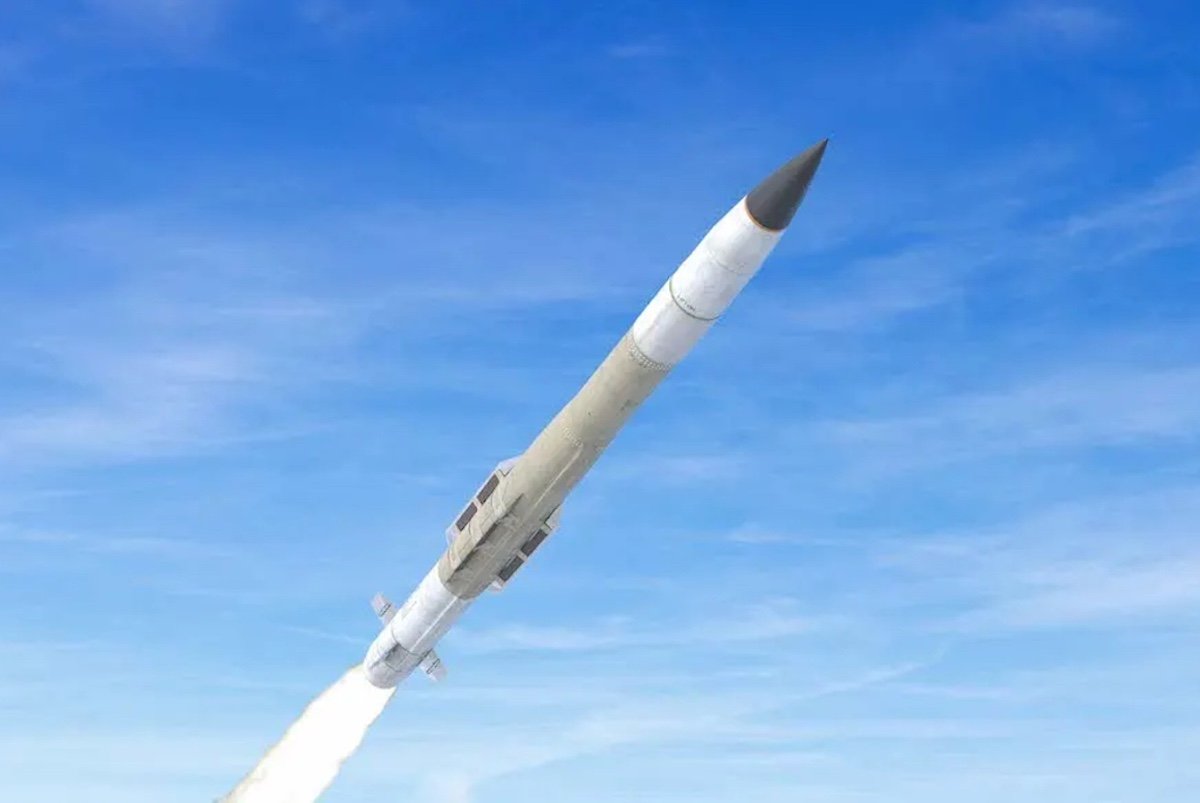
The Houthis’ capability to enforce a blockade is uncertain. Their naval assets are limited, but they have used anti-ship missiles and drones against Saudi vessels in the past. The Saudi-led coalition in Yemen has intercepted many such attacks, but a sustained campaign could still raise insurance costs and deter shipping.
Outlook for Inflation and Supply Chains
For businesses and governments, the message is clear: the economic disruption from Middle East tensions is unlikely to end soon. Supply-chain resilience must be reexamined, with long-term alternatives for sourcing and shipping of key goods, including oil. The transition to renewable energy—for transport, logistics, and manufacturing—becomes more urgent as fossil fuel routes grow precarious.
The Houthi embargo also dims hopes for a quick resolution to the conflict. As the redefinition of globalization continues, the vulnerability of maritime chokepoints underscores the need for diversified energy sources and trade routes. For now, the “Gate of Tears” lives up to its name, threatening to deepen the global inflation grief that has already strained households and policymakers from Seoul to Sydney.