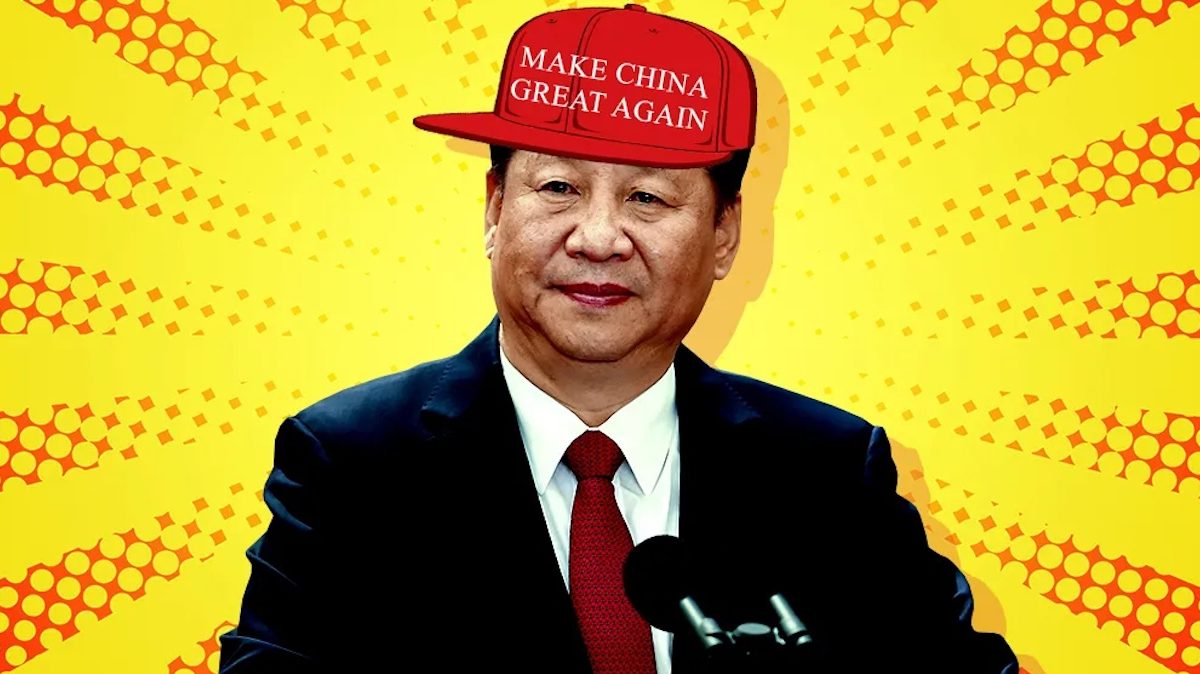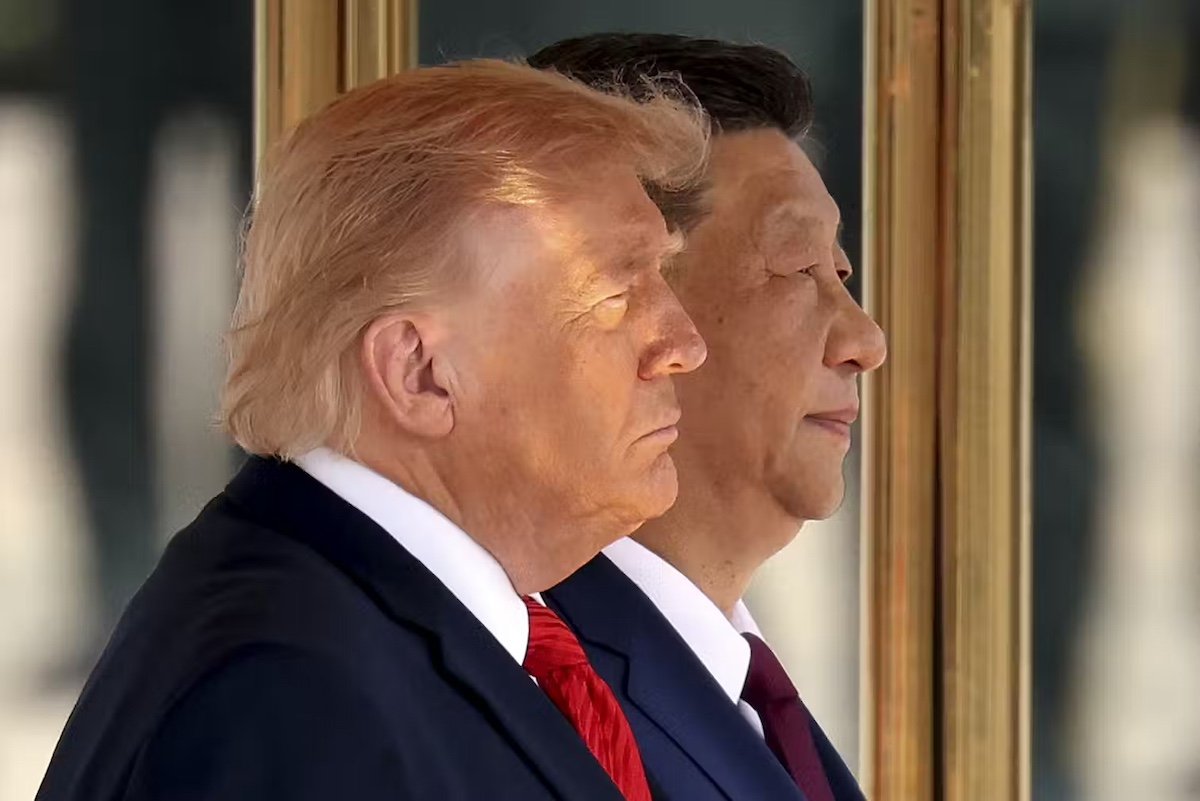
A recent Pew Research Centre survey across 36 countries found that more respondents view China positively than the United States, and more express confidence in President Xi Jinping than in Donald Trump on world affairs. The data suggests Beijing's international standing has risen even as Washington's global image has eroded.
Yet beneath this growing influence lies a striking paradox. As China appears more assertive abroad, it has become increasingly focused on reducing dependence on the very global networks that fueled its ascent. Why would a country that has benefited more than almost any other from globalization become wary of the system that powered its rise?
Most explanations point to strategic rivalry with the United States, export controls, and intensifying technological competition. These factors matter, but they explain what China is doing more readily than why. To answer that question, one must look beyond tariffs and semiconductors to how Beijing interprets its own rise—specifically, its understanding of the relationship between globalization, dependence, and national power.
One Globalization, Two Visions
China's accession to the World Trade Organization in 2001 encapsulated a defining bargain of the post-Cold War era. Yet Beijing and Washington entered that bargain with fundamentally different expectations. For many Western policymakers, integrating China into the global economy was about more than growth—markets, prosperity, and participation in international institutions would gradually encourage political liberalization and alignment with the liberal international order.
Beijing viewed the same process very differently. Economic openness was a means of generating wealth and technological capabilities for national rejuvenation through industrial upgrading. Markets, investment, and global integration were instruments for strengthening China's technological and strategic capabilities rather than transforming its political system. Globalization was not an end state but one stage in a much longer national project.
Neither expectation was entirely misplaced. Globalization made China wealthier, more technologically sophisticated, and more deeply integrated into the global economy while reinforcing, rather than diluting, the state's capacity to shape national development. As China's capabilities grew, Western expectations of political convergence collided with Beijing's strategy of self-strengthening.
Using Globalization to Build Capabilities
China's development strategy reflected this vision. Rather than allowing markets alone to determine its trajectory, Beijing used globalization to acquire technology, upgrade manufacturing, climb value chains, and strengthen domestic firms. Apple's deep integration into China's manufacturing base illustrates this approach: its supply chains diffused production expertise, engineering capabilities, and supplier networks that strengthened China's broader industrial base.
China became the world's manufacturing hub and accumulated vast industrial capabilities, moving beyond assembly to building ecosystems capable of designing, manufacturing, and improving increasingly sophisticated technologies. These ecosystems emerged through sustained interaction between state policy, firms, universities, research institutions, and global production networks.
The outcome was one few Western policymakers had anticipated. Rather than socializing China into the liberal international order, globalization strengthened state capacity, accelerated technological learning, and fostered industrial ecosystems capable of reshaping global competition. Huawei's resilience despite years of American export controls, BYD's emergence as a global electric-vehicle leader, and CATL's dominance in advanced batteries reflect the same reality: China is no longer simply participating in globalization; it is helping shape some of its most strategically important industries.
In doing so, China challenged a central assumption of the post-Cold War era. Interdependence generated technological leadership and strategic leverage without producing political convergence. Governments increasingly came to view supply chains not simply as engines of efficiency but as sources of resilience, capability, and geopolitical influence. Globalization did not end. It became political.
From Capability to Vulnerability
China's success, however, also revealed a paradox. The same globalization that accelerated its rise created new forms of strategic vulnerability. Access to global markets, advanced technologies, and international production networks enabled China to accumulate unprecedented industrial capabilities, but these same networks also exposed critical sectors to external leverage. Beijing increasingly concluded that national power depended not only on domestic capabilities but also on who ultimately controlled the technologies and networks on which those capabilities depended.
That logic became visible in recent moves to reduce reliance on foreign semiconductor equipment and advanced materials, as well as in efforts to build domestic alternatives in areas like artificial intelligence and quantum computing. For a deeper look at how Beijing is leveraging its own technological initiatives, see our coverage of China's launch of a global AI body and Xi's call for cooperation over competition. Meanwhile, the Power of Siberia 2 deadlock highlights the limits of even close partnerships when strategic interests diverge.
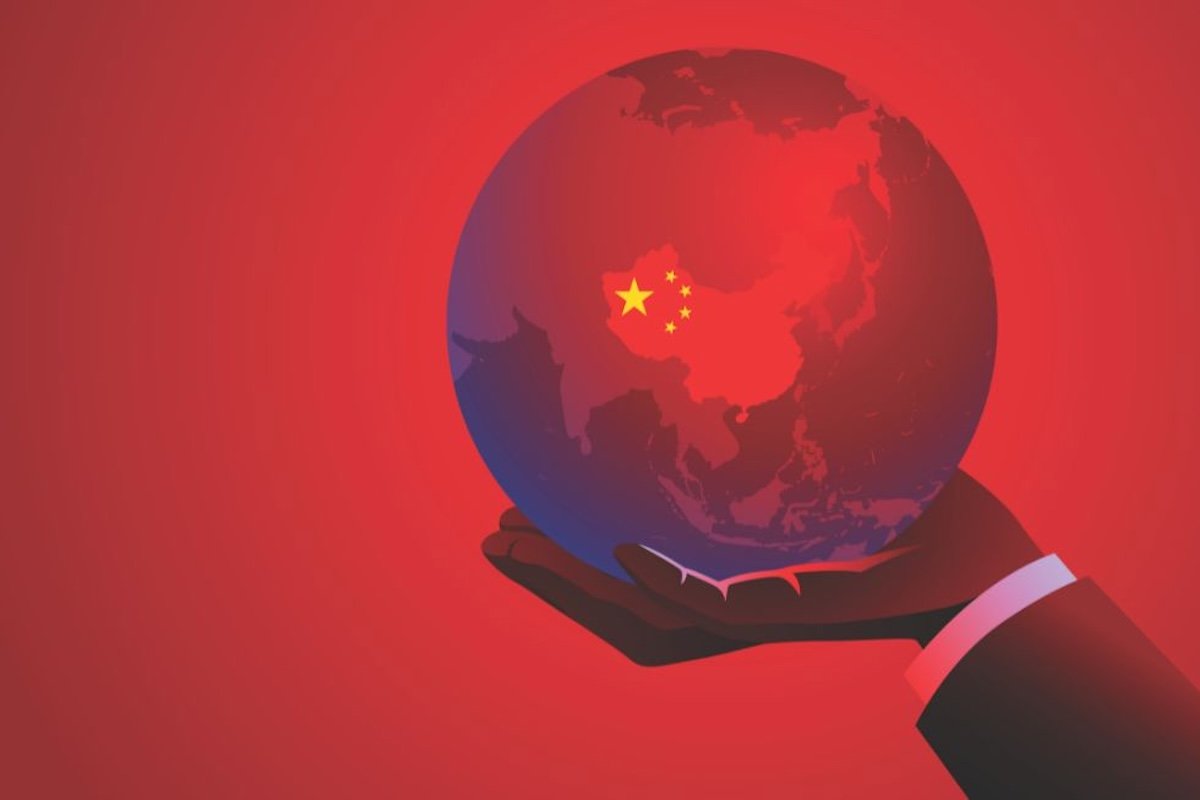
The paradox is that China's rise has fundamentally altered the logic of globalization. What was once seen as a force for convergence and interdependence is now viewed by Beijing as a source of both strength and vulnerability. The country that benefited most from the old system is now working to reshape it—not by withdrawing, but by ensuring that the networks of the future are less susceptible to external pressure.