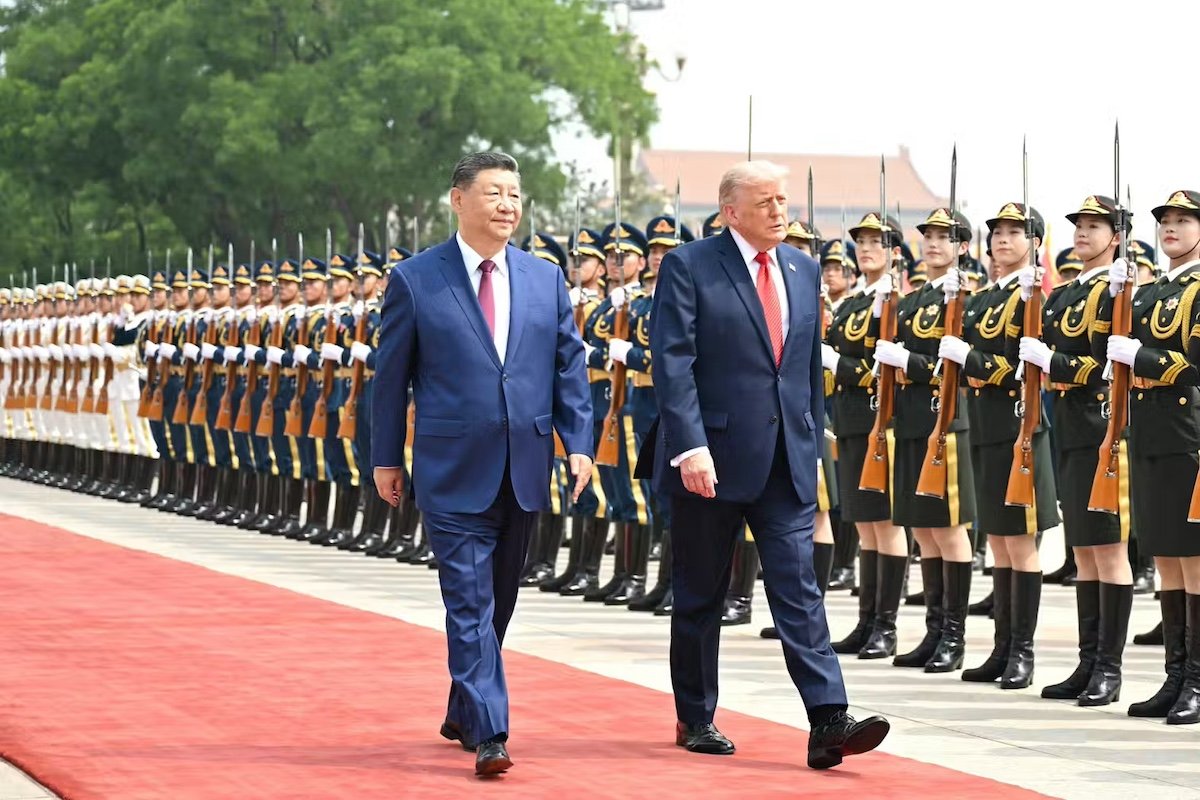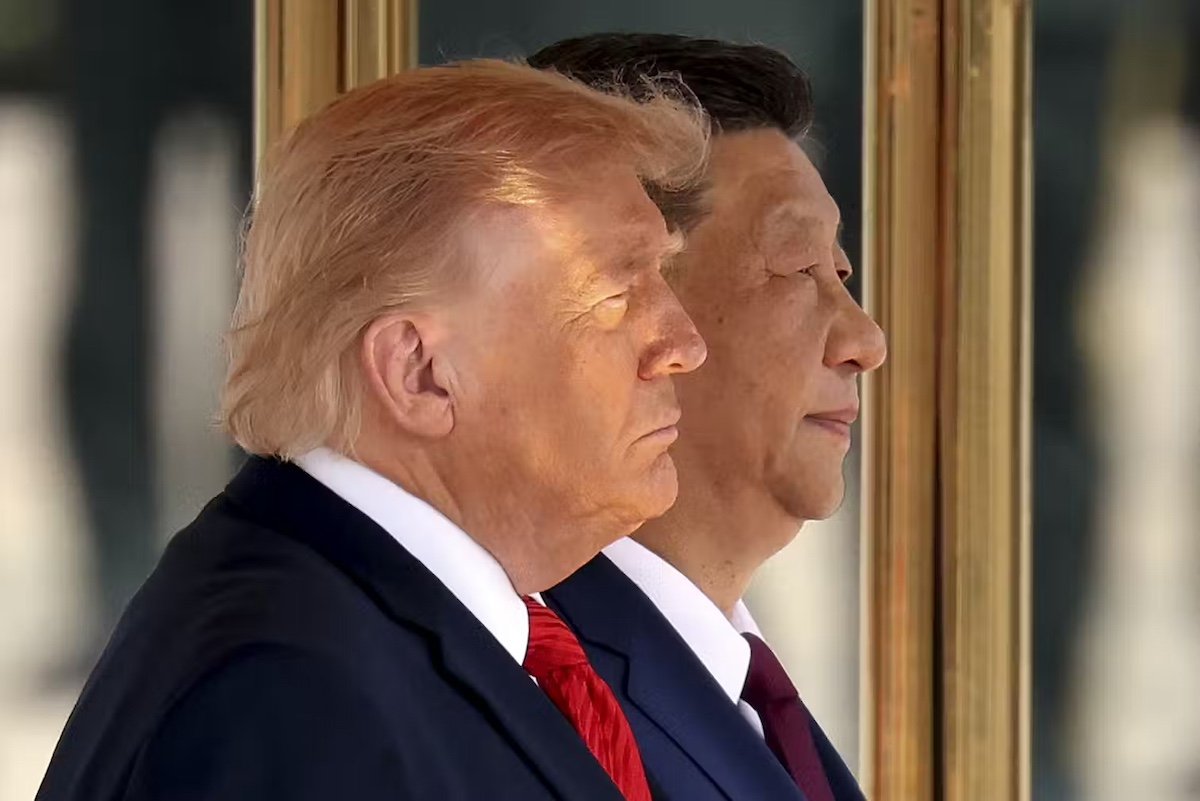
At a state banquet in Beijing, Chinese President Xi Jinping publicly praised Donald Trump's "Make America Great Again" movement, a gesture that Western analysts have largely overlooked but carries significant diplomatic weight. Xi's remarks, delivered in the presence of Trump and other dignitaries, mark the first time a major foreign leader has explicitly endorsed the MAGA slogan itself, rather than merely complimenting Trump's policies or style.
Unprecedented Endorsement
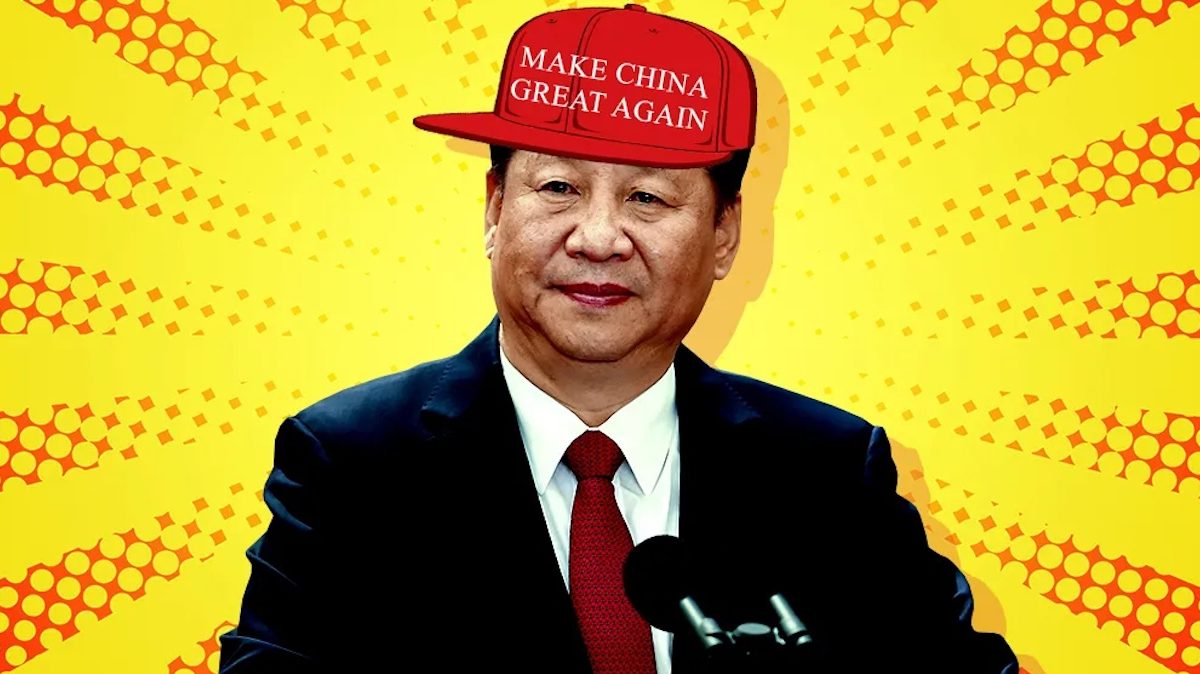
Xi Jinping's praise went beyond typical diplomatic niceties. He drew a direct parallel between MAGA and China's own national rejuvenation project, stating that "realizing the great rejuvenation of the Chinese nation and making America great again can be done in parallel, mutually beneficial, and for the benefit of the world." This framing elevates MAGA from a domestic political slogan to a global ideological counterpart to China's core national ambition.
Other world leaders have been far more circumspect. Russian President Vladimir Putin has praised Trump's political instincts but never mentioned MAGA by name. Former Brazilian President Jair Bolsonaro called Trump a "model" for conservative politics, while Hungary's Viktor Orbán endorsed Trump-style nationalism without citing the movement directly. Israeli Prime Minister Benjamin Netanyahu praised "America First" policies but avoided the MAGA label. European figures like Italy's Giorgia Meloni and France's Marine Le Pen have focused on ideological commonalities rather than the movement itself.
Xi's approach is different. By explicitly naming and endorsing MAGA, he has given Trump a powerful political boost ahead of the midterm elections and signaled a willingness to normalize relations on Trump's terms. The timing is notable: Xi set a three-year timeframe, suggesting he hopes to use the remainder of Trump's term to stabilize Sino-American ties.
This move also reflects Xi's broader strategy of engaging with Trump's worldview. In previous interactions, Xi has lectured Trump on the Thucydides Trap and emphasized the dangers of great-power rivalry. Now, by embracing MAGA, Xi is attempting to build a foundation of mutual respect that could yield tangible results.
One immediate outcome was Trump's reciprocal gesture on Taiwan. Although no formal agreement was reached, Trump publicly downplayed Taiwan's strategic importance and pressured Taipei to adjust its arms purchases, aligning with the framework of "constructive strategic stability" that Xi advocates. This represents a significant shift from previous US policy and suggests that Xi's praise has already influenced Trump's approach to a core Chinese interest.
Xi's endorsement also serves domestic purposes. By associating China's rejuvenation with a popular American movement, he can portray himself as a global statesman capable of bridging divides. At the same time, it signals to Chinese audiences that the leadership sees value in engaging with Trump's America, despite the tensions of recent years.
The broader implications are clear: Xi Jinping has taken a calculated risk by publicly aligning with a movement that many US allies view as nationalist and populist. But for a leader focused on long-term strategic goals, the potential rewards—including trade deals, reduced tensions over Taiwan, and a more predictable bilateral relationship—may outweigh the diplomatic costs.
As the world watches, Xi's words at the banquet may prove to be a turning point in US-China relations, one that Western commentators have been too quick to dismiss as mere rhetoric.