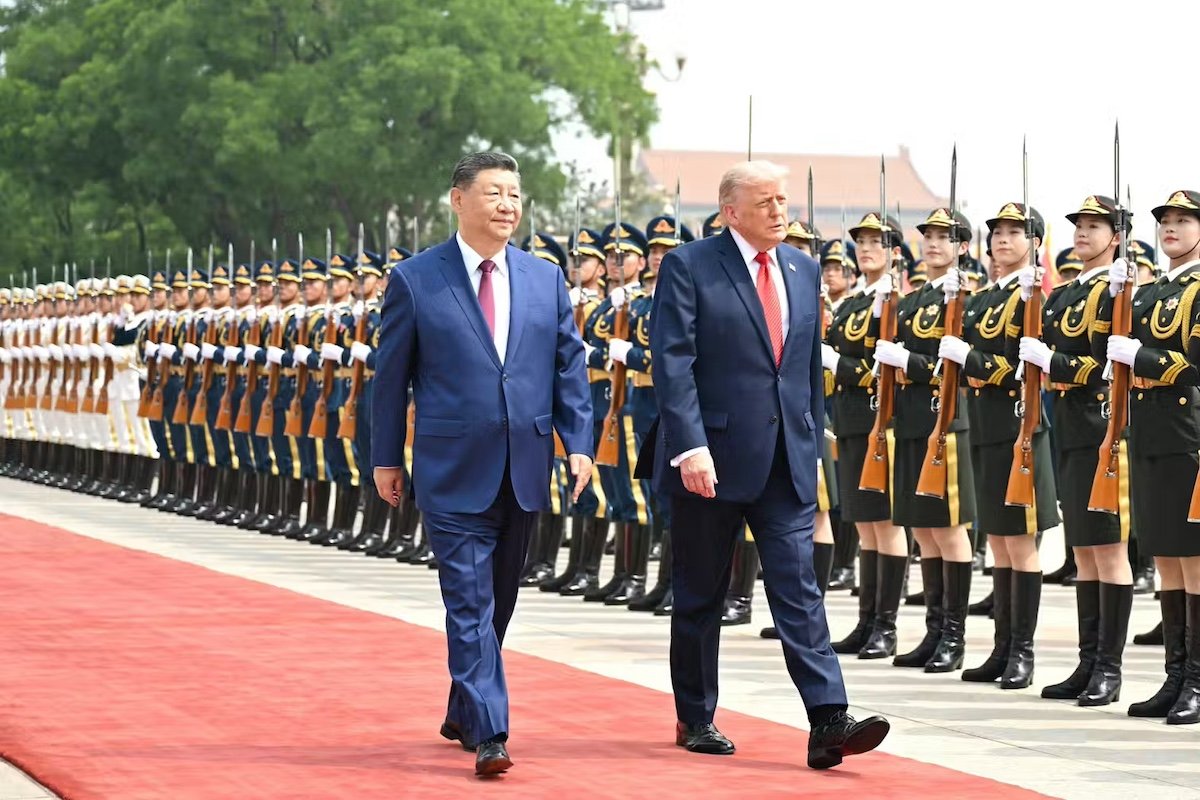
When Britain's first formal diplomatic mission to China arrived in 1793, participant Peter Auber noted the delegation was “received with the utmost politeness, treated with the utmost hospitality, watched with the utmost vigilance and dismissed with the utmost civility.” That observation, made over two centuries ago, resonates with the outcome of Donald Trump's recent state visit to Beijing.
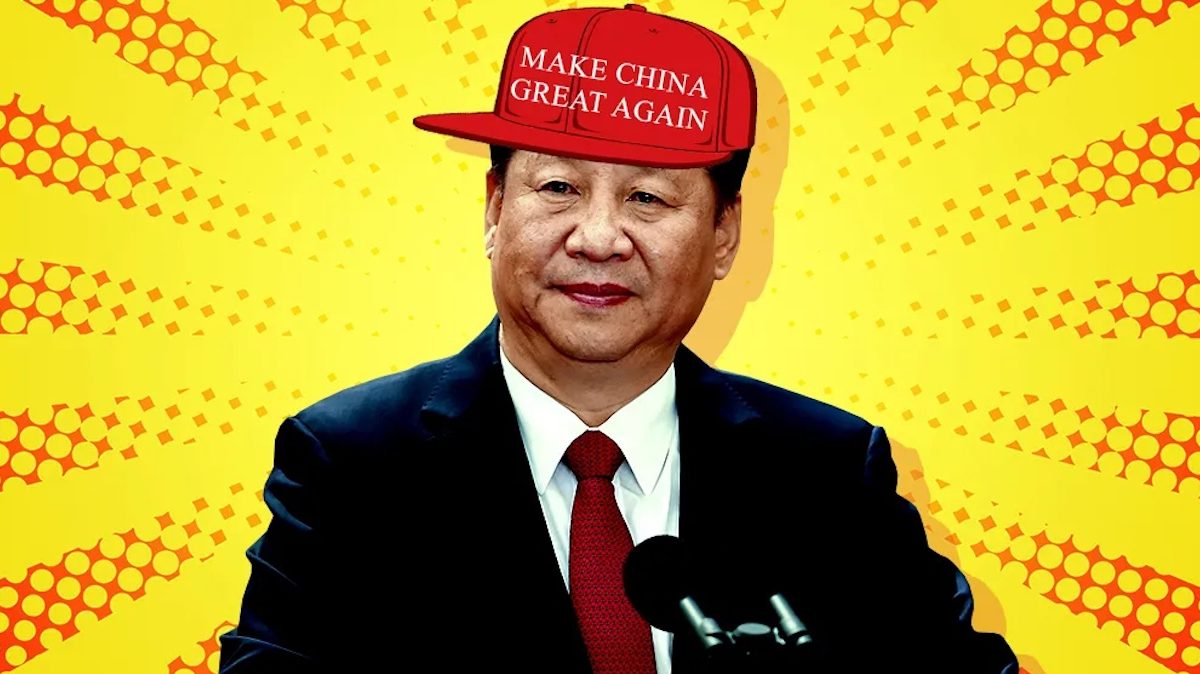
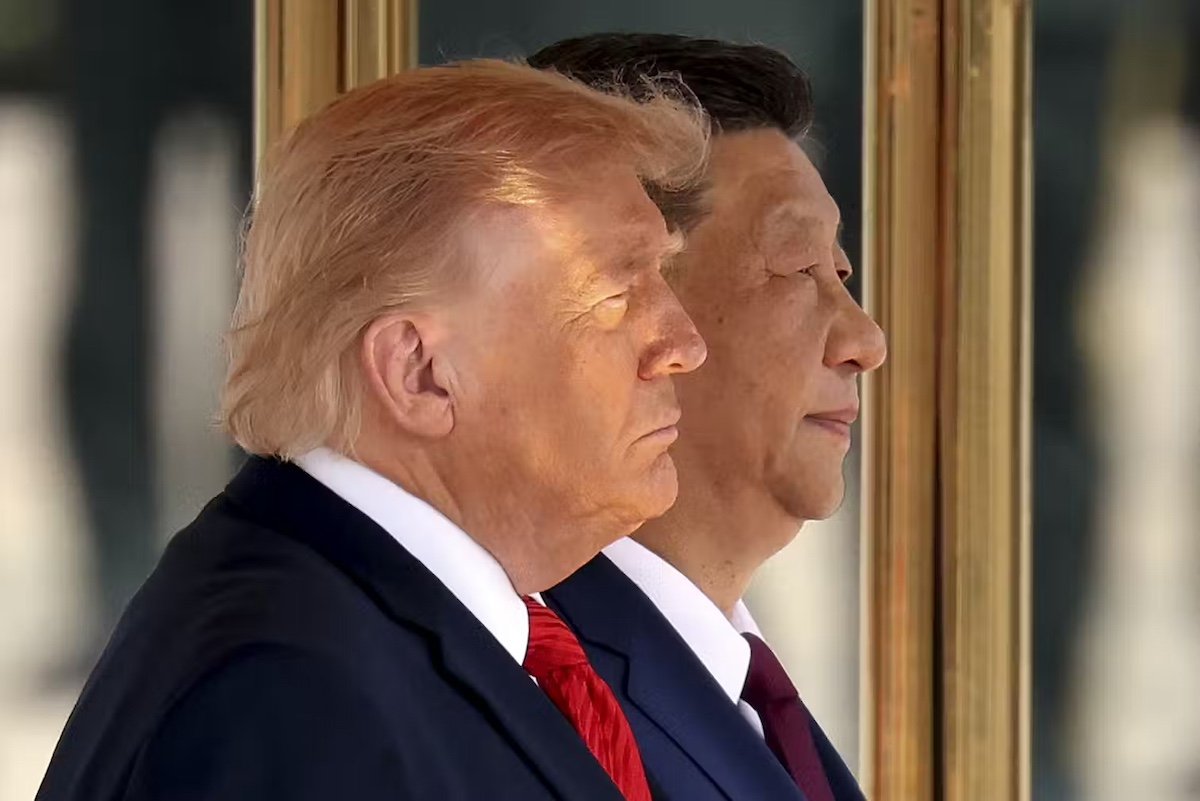
The American president spent two days in the Chinese capital, exchanging warm words with President Xi Jinping. Xi called the US-China relationship the “most consequential in the world” and even endorsed Trump's “Make America Great Again” slogan as compatible with Chinese progress. Trump, in turn, praised Xi as “respected by all” and a “great leader.” Yet beneath the cordial surface, the visit delivered little of substance.
Trade Talks Yield Modest Results
Trump has long sought to narrow the US trade deficit with China, which stood at roughly $200 billion in 2025. During his 2017 visit, Beijing agreed to buy more American soybeans. This time, the only major announcement was a Chinese commitment to order 200 Boeing jets—a deal that actually caused Boeing's stock to drop 4% on expectations of a larger order. Trump also mentioned that China had agreed in principle to purchase US crude oil, but no details were provided.
For the tech executives accompanying Trump—including Tesla's Elon Musk, Nvidia's Jensen Huang, and Apple's Tim Cook—there were no significant breakthroughs. China's 15th five-year plan emphasizes self-reliance in technology, and Beijing shows little interest in ceding ground to American firms in sectors like semiconductors and electric vehicles.
Geopolitical Management Takes Center Stage
Where the visit did achieve something was in the realm of great-power management. Xi made clear that the world depends on pragmatic engagement between Washington and Beijing, even when they disagree. On Taiwan, Xi reiterated his demand for US non-interference, a coded warning against arms sales to the island. Trump later told reporters he had not decided whether to proceed with a major weapons sale to Taipei.
The US delegation largely adhered to the long-standing policy that the Taiwan issue must be resolved peacefully and with mutual consent. Given the volatility elsewhere—particularly the ongoing Iran conflict—maintaining the status quo on Taiwan is a net positive. As one analyst put it, “nothing happening is sometimes a good thing.”
Trump also revealed that Xi offered to help the US in the Iran conflict, though the details remain vague. China is unlikely to take on a heavy mediation role, wary of being drawn into a quagmire. Instead, Beijing prefers a long-term truce that allows both Tehran and Washington to claim victory without a decisive outcome. China's primary concern is the economic disruption caused by the war, which has already impacted global energy markets—a topic explored in our analysis of Trump's Iran strategy and its energy implications.
The broader context of US-China competition is also shaped by other regional dynamics. For instance, Indonesia's strategic drift highlights how Southeast Asian nations are navigating the rivalry between the two powers. Meanwhile, the summit's impact on other players is evident: Moscow's waning leverage suggests that closer US-China ties could isolate Russia further.
History will likely judge Trump's visit as a marker of China's growing prominence, but also of its willingness to accord the US respect and primacy in certain domains. Trump may have left empty-handed in terms of trade concessions, but in a turbulent world, avoiding a diplomatic rupture counts as a meaningful achievement.