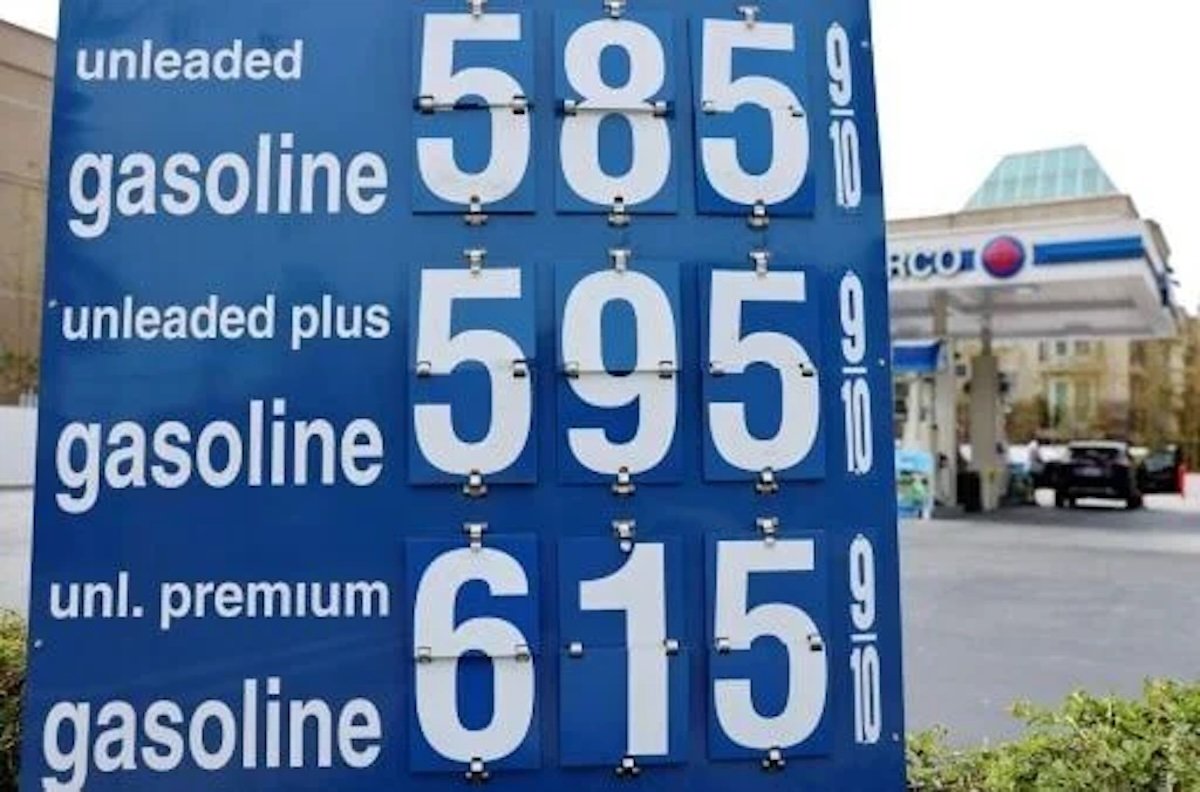
The global energy crisis, already strained by the ongoing US-Iran conflict, is poised to intensify as strategic oil reserves dwindle and the possibility of renewed American military strikes looms. According to a report in The Wall Street Journal, the world is rapidly consuming its emergency petroleum stockpiles, raising fears of acute shortages and soaring prices in the coming weeks.
Since the conflict began, Iran's closure of the Strait of Hormuz—a chokepoint for roughly one-fifth of global oil shipments—has disrupted supply chains. Initially, the impact was cushioned by large crude surpluses held by major economies. However, those reserves are now being depleted at a pace not seen in decades. The Journal notes that inventories have fallen by nearly 250 million barrels in just the first two months of the conflict.
Oil executives and analysts warn that a severe reckoning is approaching. Consulting firm Eurasia Group estimates that, at current rates, US diesel reserves will fall below 100 million barrels by the end of this month—a level not seen in 23 years. Ellen Wald, a senior fellow at the Atlantic Council's Global Energy Center, told the Journal that while higher prices may curb some demand, the scale of the supply crunch is too large to be offset. “You can only decrease consumption so much, and when inventories run out, they are going to run out,” she said. “At some point the market is going to collide and prices are going to shoot up.”
Potential Escalation and Regional Fallout
The situation could deteriorate further if President Donald Trump decides to escalate military operations against Iran. Zeteo reported on Thursday that preparations for a new phase of the campaign have accelerated, with Trump frustrated by stalled peace talks. According to sources cited by Zeteo, the US military is expected to ramp up operations shortly after Trump returns from his visit to China—a trip that has drawn attention for its limited diplomatic gains, as detailed in our analysis of Trump's Beijing trip.
Options reportedly include a massive new bombing campaign targeting Iranian military and infrastructure sites. The US has already conducted extensive airstrikes in the early weeks of the conflict, but Iran has refused to reopen the Strait of Hormuz. Any renewed assault risks triggering devastating Iranian counterstrikes on oil production facilities across the region, particularly in Saudi Arabia, the United Arab Emirates, and other Gulf states—a scenario that would directly impact energy markets in Asia, which relies heavily on Middle Eastern crude.
Brent crude futures surged past $108 per barrel on Friday as markets priced in the risk of further disruption. In the United States, average gasoline prices remain above $4.50 per gallon, and analyst Patrick De Haan has warned that prices could soon exceed $5 per gallon if the strait remains closed.
For Asian economies, the stakes are particularly high. Japan, South Korea, India, and China are among the largest importers of oil from the Gulf region. A prolonged closure of the Strait of Hormuz would force these countries to draw down their own strategic reserves, potentially leading to fuel rationing and economic slowdown. The Trump-Xi summit, which included discussions on trade and Iran, may offer a diplomatic off-ramp, but as our report on the summit notes, concrete outcomes remain elusive.
Meanwhile, the US dollar's strength and rising global interest rates are compounding pressures on emerging Asian economies. Indonesia, for instance, is already grappling with a sharp depreciation of the rupiah, as we have covered. A sustained energy price spike would further strain central banks and increase inflation risks across the region.
With peace talks at an impasse and military options on the table, the coming weeks will be critical. The world is burning through its safety net, and the margin for error is shrinking rapidly.



