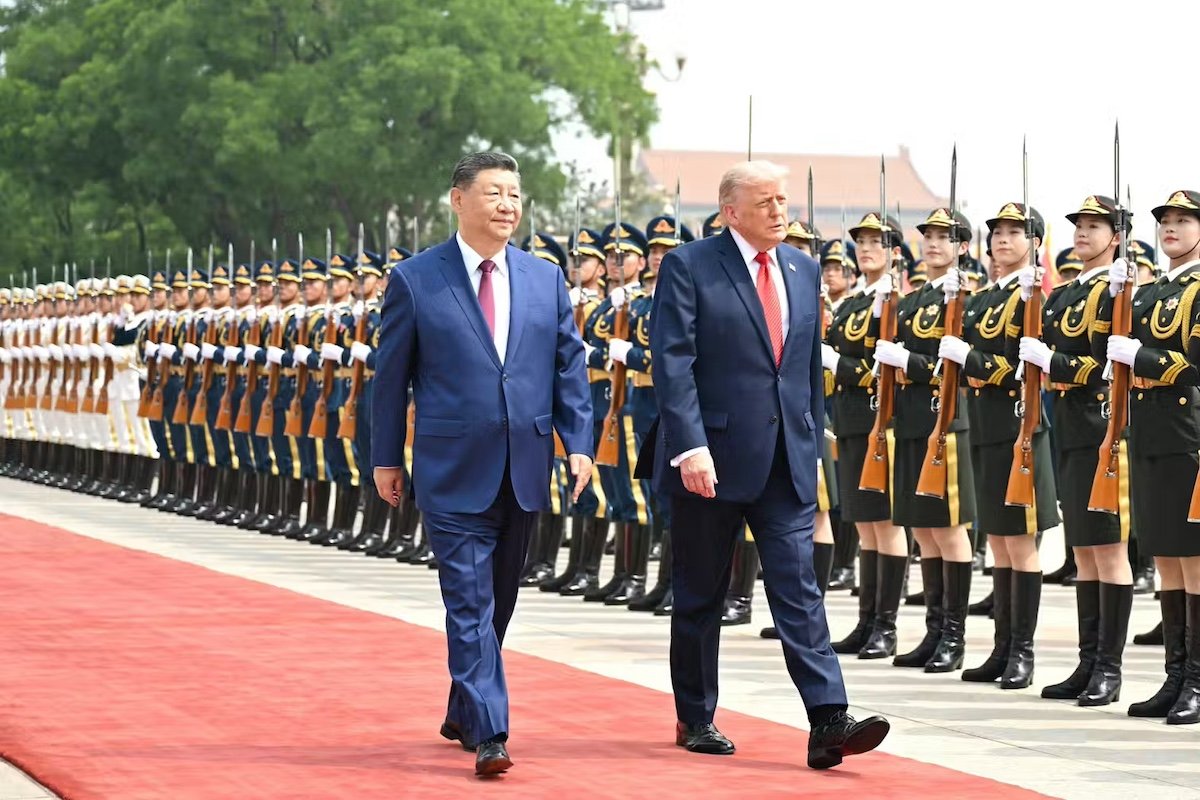
Beijing's new Law on Promoting Ethnic Unity and Progress, which took effect on July 1, has drawn sharp criticism from Taiwan's government and overseas Chinese communities for its extraterritorial reach. The law, passed by the National People's Congress on March 12, includes provisions that require public displays of Chinese cultural symbols, mandate parental education in loyalty to the Communist Party, and hold organizations and individuals outside China legally accountable for acts deemed to undermine ethnic unity.
Article 63 of the law states that organizations and individuals outside China's territory may be held legally responsible for acts that undermine ethnic unity or promote ethnic division. This clause has raised particular alarm in Taipei, where officials see it as the latest in a series of laws designed to extend Beijing's political framework to Taiwan and the diaspora.
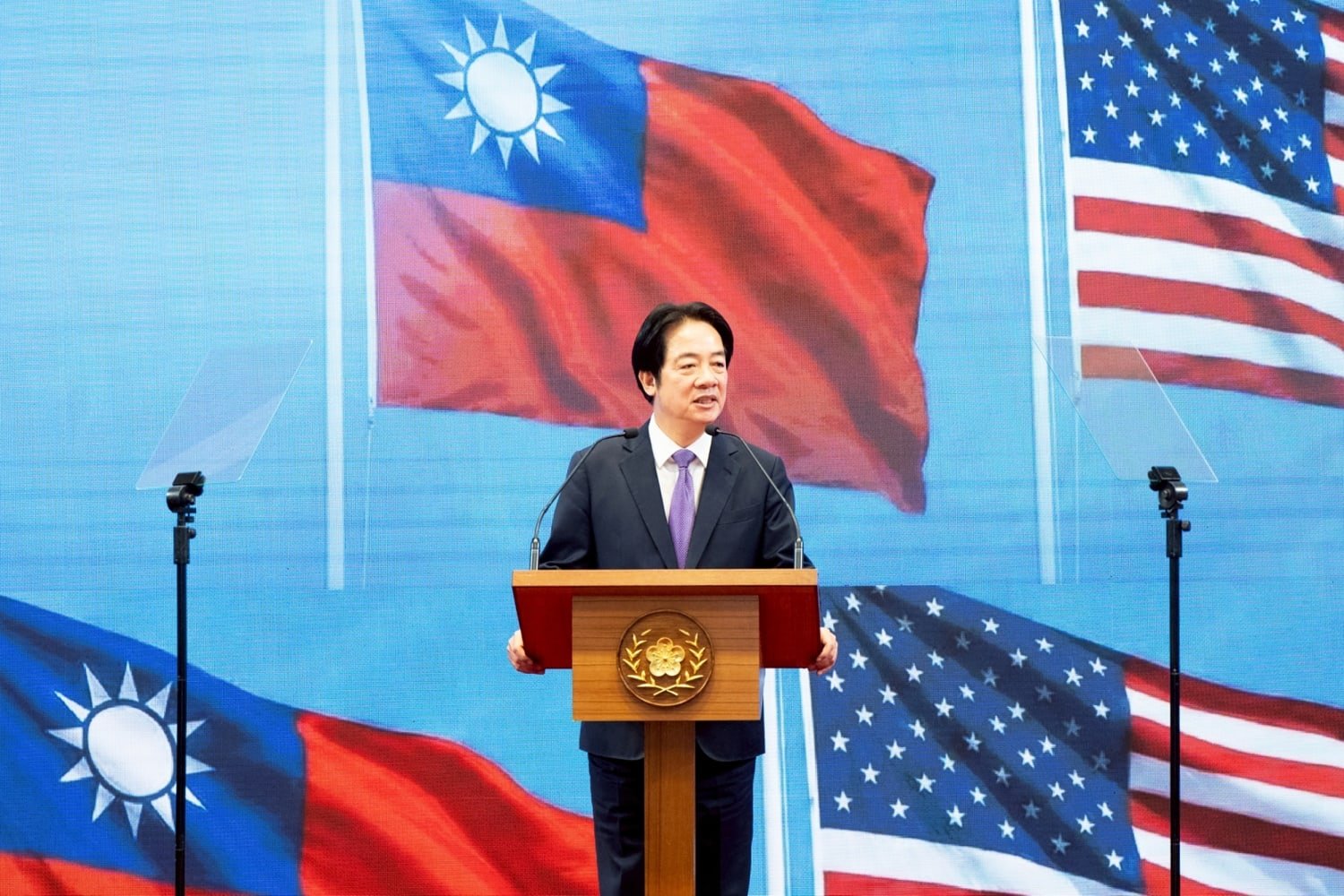
On July 2, Cho Jung-tai, premier of Taiwan's Executive Yuan, warned that Beijing has built an expanding network of laws with extraterritorial reach, including the Anti-Secession Law, the Counter-Espionage Law, and the Anti-Foreign Sanctions Law. He said the Ethnic Unity Law extends that network further. Cho announced that the Executive Yuan would set up a cross-agency platform to counter transnational repression while expanding cooperation with allied democracies. “When law becomes a tool of authoritarian rule, democracy must become the front line of freedom,” he said.
Three Interlocking Laws Targeting Taiwan
Hung Pu-chao, deputy head of Tunghai University's Center for Mainland China, argues that Beijing has now built three interlocking laws aimed at Taiwan, each operating at a different level. The Anti-Secession Law, passed in 2005, addresses national unification and opposes secession at the strategic level. The Opinions on Punishing Crimes of Separatism and Inciting Separatism by “Taiwan independence” Die-hards in Accordance with Law, issued in 2024, targets criminal accountability for specific individuals at the law enforcement level. The Ethnic Unity Law codifies the concept of a unified Chinese nation at the level of state governance.
“Those most immediately affected are people who travel frequently between Taiwan and China, invest or have family ties there, or work as academics, journalists, civil society figures or public commentators,” Hung wrote. “As long as people adjust what they say or do out of fear of being named or barred from entering China, the goal of Beijing's political campaign has been achieved.” He noted that Article 63 does not define what counts as undermining ethnic unity or promoting division, leaving broad room for interpretation, and that Chinese authorities will ultimately decide which acts are illegal.
Chang Ching-ju, an attorney and executive committee member of the Judicial Reform Foundation (JRF), said in a media briefing in Taipei on Monday that Article 21 makes strengthening Taiwanese people's identification with the “Chinese nation” a state objective, while Article 10 requires Taiwanese people to safeguard national unity. “Article 63 allows Chinese authorities to pursue legal responsibility against overseas organizations or individuals accused of undermining 'ethnic unity,'” Chang told Taiwan's Central News Agency. “We are studying whether Taiwan's existing laws adequately protect citizens from cross-border jurisdiction or enforcement, and expect to complete a report by the end of the year.”
The Concept of the Chinese Nation
The concept of the Chinese nation, or Zhonghua minzu in Mandarin, was coined by Liang Qichao, a political theorist who fled to Yokohama in the early 20th century. The phrase initially applied only to Han people, distinguishing them from the Manchus, who had founded the Qing empire in 1636. Yang Du, a friend of Liang's, later proposed the concept of “Five races under one union,” which combined the Han, Manchus, Mongols, Huis (Xinjiang people) and Tibetans into a single modern nation-state. Sun Yat-sen, founder of the Kuomintang (KMT) and the revolutionary who overthrew the Qing empire in 1911, adopted both ideas, defining Zhonghua minzu as a unified Chinese nationality encompassing all five groups.
After the KMT retreated to Taiwan in 1949 as the Communist Party took control of the mainland, both sides kept “China” or “Zhonghua” in their official names. Tensions between Beijing and Taipei deepened after the Democratic Progressive Party (DPP) replaced the KMT in power in 2016. Surveys since then have shown that many young Taiwanese identify as Taiwanese rather than Chinese, even as their KMT-linked parents and grandparents continue to do business and travel freely on the mainland.
Under the newly implemented Ethnic Unity Law, these KMT-linked businesspeople on the mainland are now responsible for pressuring their Taiwan-based children to identify as Chinese and refrain from openly supporting the DPP. In June last year, Taiwanese President Lai Ching-te delivered a speech promoting the idea that Taiwanese people do not originate from China. He said that before the Dutch occupied Taiwan in 1624, the island's indigenous inhabitants were Austronesian peoples, and that it was later ruled by the Southern Ming and Qing empires, with the Qing ceding Taiwan to Japan in 1895. Lai stressed that the People's Republic of China (PRC) has never owned Taiwan, even after the Japanese left the island.
The law's extraterritorial provisions also raise broader questions about Beijing's legal strategy in the region. As the US munitions strain doesn't erase China's Taiwan invasion risks, the Ethnic Unity Law adds a legal dimension to Beijing's pressure campaign. Meanwhile, the law's impact on diaspora communities in Southeast Asia and beyond could further complicate relations with countries that host significant Chinese-origin populations.