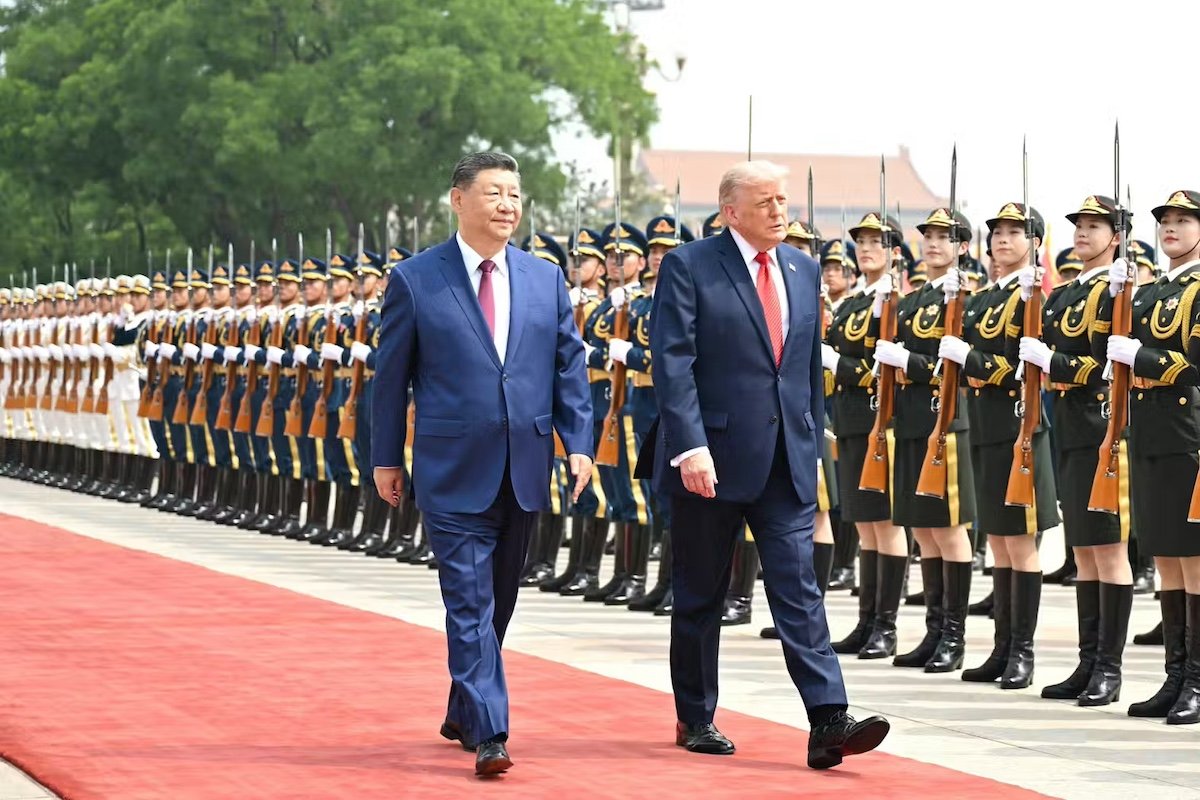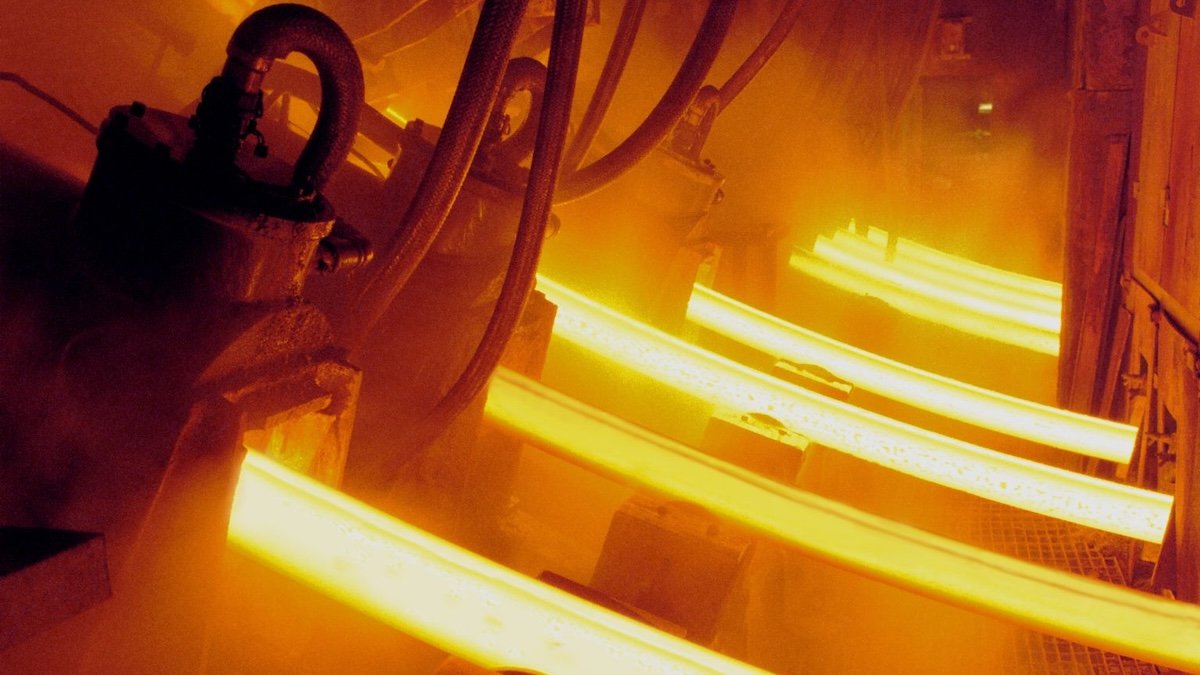
Jingye Group, a privately owned steelmaker based in Hebei province, acquired British Steel in 2020 for £70 million (US$91 million) with a clear strategic goal: use production capacity inside Britain to circumvent US tariffs on Chinese steel. That plan has now unraveled, as the UK government introduces legislation to nationalize the struggling company, turning a commercial venture into a political dispute with implications for Chinese overseas investment strategy.
The Trump administration imposed a 25% tariff on Chinese steel imports in June 2018 under Section 232 of the Trade Expansion Act, citing national security concerns. Jingye hoped that owning British Steel would allow it to ship Chinese-made components and engineering services into Europe without facing those duties. The company invested £1.2 billion in the Scunthorpe-based steelworks, but annual losses of approximately £250 million persisted, driven largely by high UK electricity costs and competition from cheap Chinese steel exports.
US Tariffs Deliver the Final Blow
The decisive blow came in March 2025, when the Trump administration imposed 25% tariffs on all steel and aluminum imports worldwide, including those from the UK. Washington had concluded that Chinese steelmakers were acquiring foreign mills specifically to evade US tariffs. Jingye reported that the Scunthorpe plant was losing £700,000 per day and rejected a £500 million state rescue package. The UK Parliament passed emergency legislation on April 12, allowing the government to take control of British Steel's blast furnaces and secure raw materials to keep them operating. Prime Minister Keir Starmer said the move aimed to save British Steel and protect more than 2,700 jobs in Scunthorpe.
On May 14, the UK government announced the Steel Industry (Nationalization) Bill, which would give ministers the power to nationalize steel companies like British Steel if a public-interest test is met. Industry Minister Chris McDonald stated, "Revitalizing our steel sector is a top priority for this country and this is an important first step to safeguard our steelmaking capability." The bill's rapid progress through Parliament signals the government's determination to secure domestic steel production.
Beijing's Response and Strategic Reassessment
China's Ministry of Commerce responded cautiously, urging the British government to "uphold fairness, impartiality and non-discrimination" and to safeguard the legitimate rights of Chinese enterprises. A spokesperson noted that the UK had been in control of British Steel for over a year since taking it over from Jingye and called for a "fair, just solution acceptable to both sides." The spokesperson warned that China would take firm measures to protect its companies' interests.
The episode has prompted broader reflection within China's steel industry. A Jiangxi-based columnist writing under the pen name "Ganjiang Top List" argued that Chinese enterprises must face reality and adjust their overseas strategy. "Since 2018, China's steel industry has accelerated its deployment of 'non-dollar channels,'" he wrote. "European countries, including Britain, have advanced craftsmanship and talent but lack capital and supporting facilities. They became a natural springboard for Chinese industrial chains going global." He noted that British Steel was acquired not for production but for connection—to create an export path for parts and engineering services in Europe's automotive, rail transport, and energy-equipment sectors. Jingye also transferred part of its digital dispatching platform to British Steel in an effort to reshape cost structures through unified management and energy optimization, but these efforts ultimately failed.
The columnist recommended that Chinese firms avoid controlling stakes in key sectors and instead rely on technical services, short-term leasing, and non-controlling cooperation to maintain a presence while reducing political risk. He warned that the real damage from the British Steel case is not just the loss of capital but also the loss of Chinese firms' reputations.
Historical Context and Broader Implications
Britain's steel industry once symbolized its industrial power, driving the Industrial Revolution with coal, iron ore, steam engines, and railways. China began catching up during its reform-era expansion in the 1980s and 1990s and surged ahead after joining the World Trade Organization in 2001. Rapid urbanization and manufacturing growth turned China into the world's dominant steel producer but also created chronic overcapacity, flooding global markets with cheap steel. This added pressure on older British producers already burdened by high labor costs, expensive energy, and aging plants.
British Steel itself was created by nationalization in 1967, when the UK government brought the country's main steel companies into public ownership. The current nationalization bill echoes that history, but the context is now global. The collapse of Jingye's strategy underscores the risks of using foreign acquisitions to bypass trade barriers, especially as Washington and its allies tighten scrutiny of Chinese investment in critical industries. For Beijing, the episode is a reminder that overseas industrial strategy cannot escape geopolitical realities. For other Asian economies watching China's moves, the lesson is clear: tariff-bypass strategies are fragile when host governments can change the rules.
This story also connects to broader trends in the Indo-Pacific. As China's economic influence grows, its companies face increasing pushback in Western markets. Meanwhile, countries like Indonesia are navigating their own strategic drift between the US and China, as explored in Indonesia's Strategic Drift: Caught Between US and China in the Indo-Pacific. The British Steel crisis may accelerate Beijing's shift toward non-controlling partnerships and technical service agreements, a strategy that could reshape how Chinese capital engages with the region.