For years, Beijing's economic managers boasted that China had cracked the code of recession-proof growth. During the 2008 global financial crisis and the 2015 stock market crash, the country never recorded a single quarter of negative GDP expansion. The secret, as many analysts noted, was a unique form of credit-based stabilization: the party-state would simply order its captive banking system to flood the economy with loans, particularly to real estate developers and local governments. When those loans went bad, the government would absorb the nonperforming debt, and rapid growth would shrink the debt-to-GDP ratio.
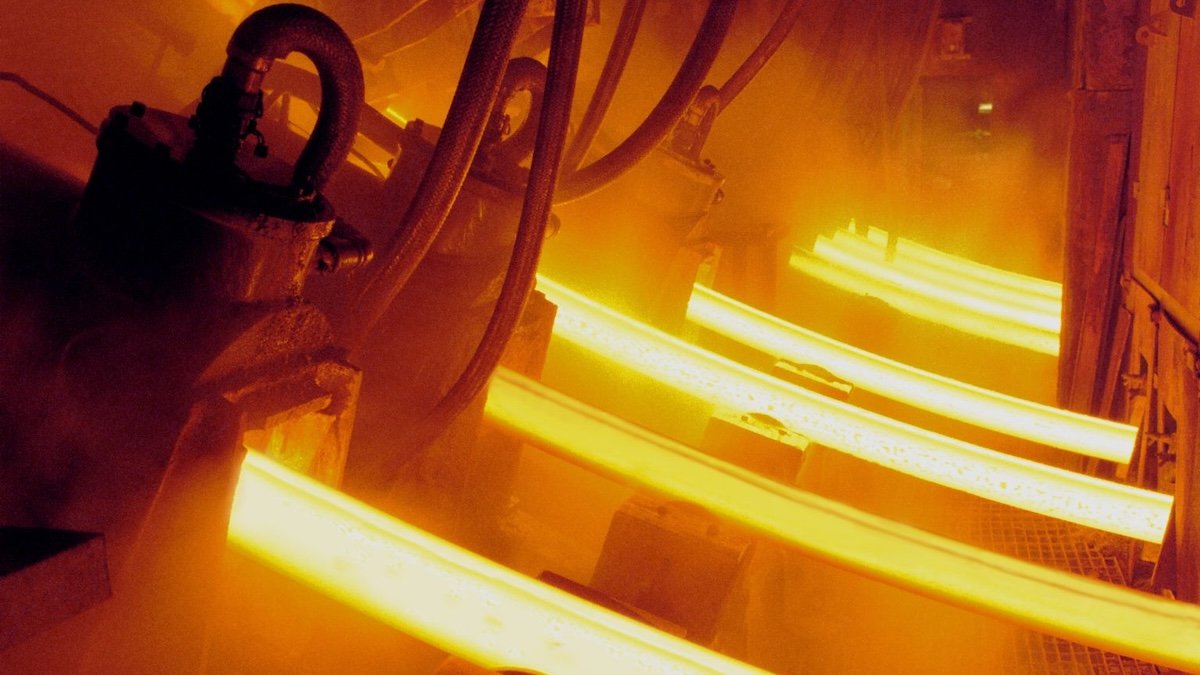
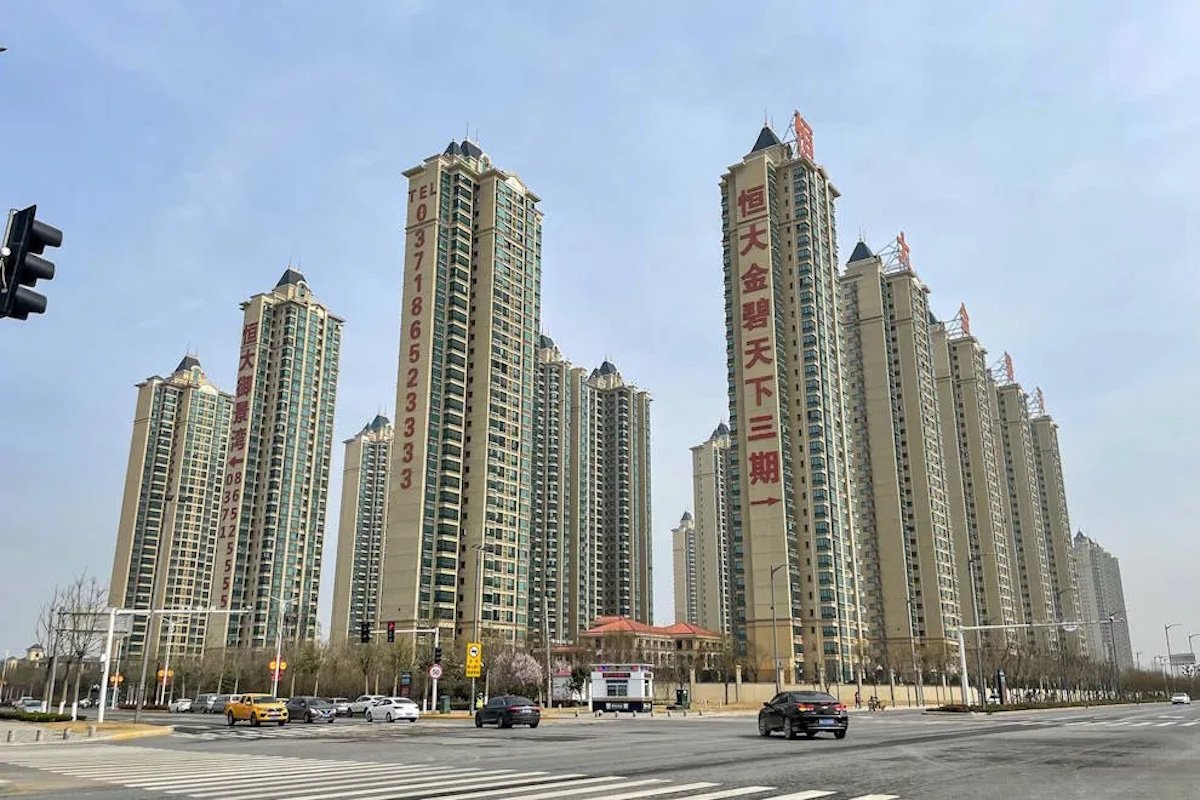
That playbook appeared to work again after the property bubble burst in late 2021, triggered by the collapse of developer Evergrande. Housing construction plummeted, prices fell, and defaults cascaded across the sector. Yet China's official growth rate never dipped below 3%. The government simply pivoted from lending to real estate to lending to manufacturing. Industrial loans surged, and the economy kept chugging along—or so the official numbers suggested.
The Hidden Crash
But a closer look reveals that China did not avoid a crash. It merely traded one crisis for another. The most visible sign is the labor market. In 2023, Beijing revised its youth unemployment data to exclude students, a move widely seen as an attempt to mask the severity of the problem. Even with that adjustment, the rate hit a record 21.3% in June 2023. For the broader 16–24 age group, the real figure is likely far higher, as millions of college graduates struggle to find work in an economy where the property sector—once a major employer—has shed millions of jobs.
The second sign is the quality of growth. The wave of manufacturing loans from 2022 to 2024 has created a new overhang of unproductive capacity. Many of the companies that received this credit are what economists call “zombie firms”—businesses that survive only on cheap loans, unable to generate enough profit to cover their debt payments. This is a classic symptom of China's state-directed credit system, which prioritizes stability over efficiency. As the economist Isabella M. Weber recently noted on social media, “The real estate bubble has been deflated without a crash. That's the difference between free and managed markets.” But the long-term cost is lower productivity growth, as resources are trapped in inefficient enterprises.
China's experience mirrors a pattern seen in other Asian economies that relied heavily on state-directed credit, such as Japan in the 1990s and South Korea after the 1997 Asian financial crisis. In both cases, the government propped up failing companies and banks, only to face years of stagnation. Japan's “lost decade” was characterized by zombie banks and firms that soaked up capital and labor, delaying the necessary restructuring. China's current situation bears uncomfortable similarities.
The property bust has also triggered a sharp decline in household wealth. Housing accounts for roughly 60% of Chinese household assets, and falling prices have eroded consumer confidence. Retail sales growth has slowed, and the savings rate has risen as households hoard cash. This is a classic balance-sheet recession, where households and businesses focus on deleveraging rather than spending, dragging down aggregate demand.
Beijing's response has been to double down on the same playbook. In early 2024, the government announced a new round of stimulus, including cuts to mortgage rates and down-payment requirements, as well as direct purchases of unsold homes by state-owned enterprises. But these measures have so far failed to revive the market. Buyers are waiting for further price declines, and developers are still drowning in debt. The housing market remains in free fall, with no bottom in sight.
The broader implication is that China's economic model has reached its limits. The credit-based stabilization that worked in the 2010s relied on a property boom that was unsustainable. The pivot to manufacturing lending has merely shifted the problem to a different sector. Without deep structural reforms—including allowing inefficient firms to fail, liberalizing the financial system, and reducing the state's role in credit allocation—China risks a prolonged period of low growth and high debt.
For the rest of Asia, China's slowdown is a major headwind. The region's export-dependent economies, from South Korea to Vietnam, have already felt the impact of weaker Chinese demand. The question is whether Beijing can manage a soft landing or whether the hidden crash will eventually become visible in the official data. For now, the evidence suggests that China's economic miracle has hit a wall—and that no amount of state-directed lending can paper over the cracks.