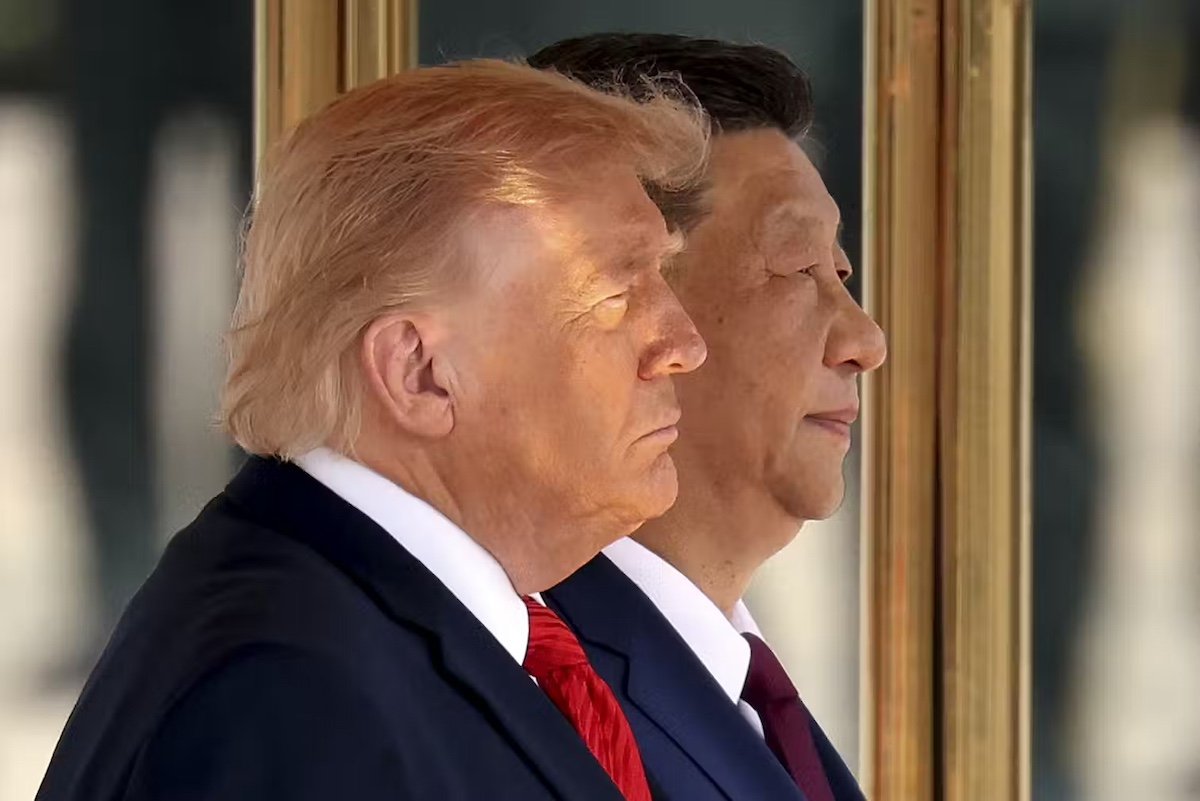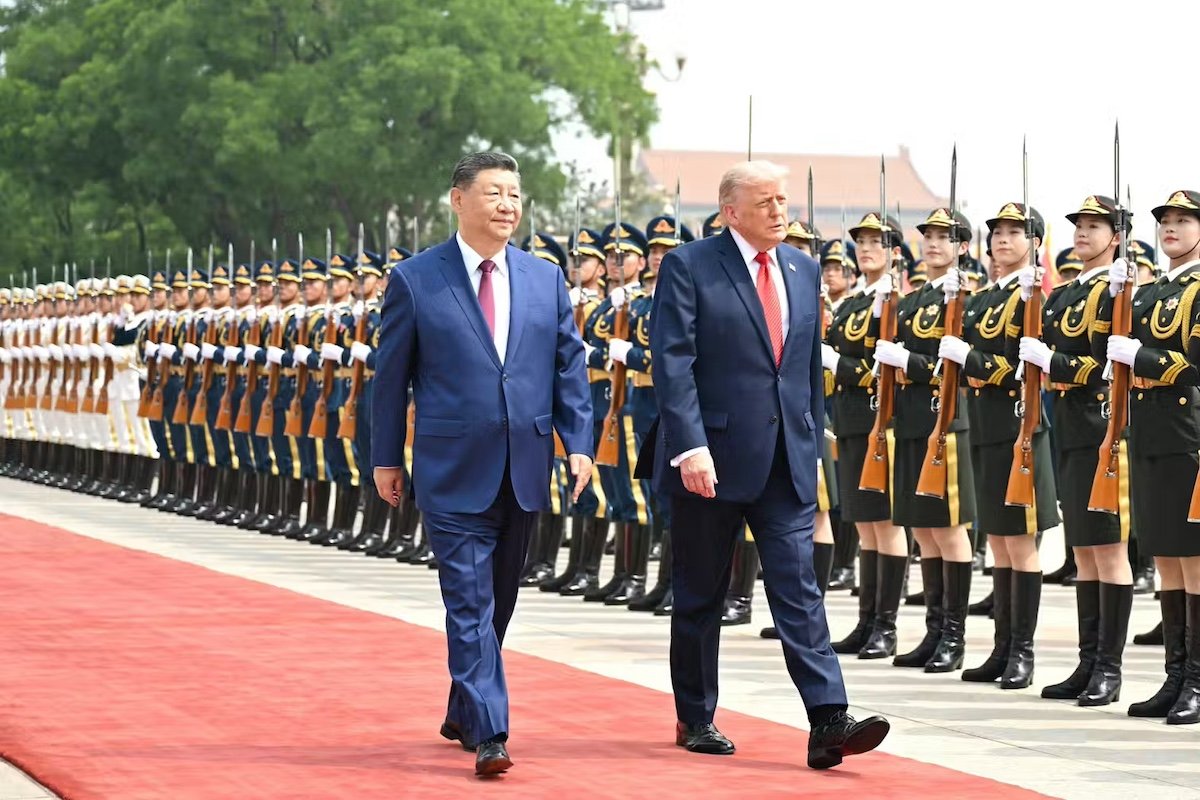
President Donald Trump departed Beijing on May 15, 2026, after a two-day summit with Chinese leader Xi Jinping that offered more symbolism than substance. Trump called the trip “incredible,” while Xi described it as marking a “new bilateral relationship.” Yet analysts noted the absence of major breakthroughs, reflecting the cautious tone of the world’s two most powerful leaders.
Yan Bennett, an expert on US-China relations and author of “American Policy Discourses on China,” provided three key takeaways from the summit.
Taiwan: Tough Rhetoric, Stable Status Quo
On Taiwan, Beijing reiterated its core interest, with Xi stating on the first day that the Taiwan “question” remains “the most important issue in China-US relations” and that mishandling could lead to “clashes and even conflicts.” This served dual purposes: addressing a domestic audience of over 100 million Communist Party members who expect tough talk, and signaling to Washington not to support Taiwanese independence.
Washington’s position remains unchanged. The 2025 National Security Strategy opposes unilateral action on Taiwan from “either party,” effectively discouraging both a Chinese invasion and a Taiwanese declaration of independence. Trump mentioned arms sales to Taiwan, but the US declaratory policy since the Reagan administration prevents Beijing from dictating what weapons Washington sells to the island. The US treaty commitment since 1979 to provide defensive weapons for Taiwan’s self-defense also remains intact.
Bennett noted that the status quo suits all parties. However, Xi’s military modernization benchmarks, including a goal for the People’s Liberation Army to be capable of invading Taiwan by 2027, have been misinterpreted in the US as the “Davidson window” — a fixed timeline for invasion. In reality, China lacks a blue-water navy and faces geographic challenges: Taiwan has only two viable landing sites, accessible only during specific seasons, and its mountainous terrain complicates any assault. Taiwan is also building defenses, learning from Ukraine’s war with Russia, to become “indigestible” to China. Xi’s longer-term goal of a “world-class military” by 2049 remains aspirational, and China’s higher spending on internal security over defense suggests the Communist Party’s true priorities lie in domestic stability.
Trade: Modest Deals, Structural Steps
On trade, both sides sought to stabilize economic ties. China aims to regain the American market share it enjoyed in the 1990s and early 2000s, reversing the damage from the 2018 trade war. The Trump administration views Chinese control over supply chains and the trade imbalance as national security issues, and wants to address unfair practices like forced technology transfers.
The summit produced limited concrete results: US beef sales to China advanced, Beijing agreed to purchase 200 Boeing aircraft (down from earlier rumors of 500), and several Chinese companies committed to buying Nvidia microchips, continuing a process from late 2025. Trump himself tempered expectations, avoiding his usual grand promises.
More significantly, Xi and Trump agreed to establish a Board of Trade and a Board of Investment, creating a framework for future negotiations. Technology remains a focal point: China trails the US by about 18 months in microchip development. Washington restricts sales of high-end Nvidia chips to prevent intellectual property theft and defense applications, while allowing lower-tier chips to avoid ceding the entire Chinese market to Huawei.
For deeper context on the summit's dynamics, see Trump-Xi Summit: Smiles Mask Deep Strains in US-China Relations and Trump's Beijing Visit: No Breakthroughs, but a War Averted.
Overall, the summit reflected a pragmatic reset: both leaders avoided confrontation, secured modest wins, and laid groundwork for incremental progress. The relationship remains fraught, but the meeting averted escalation and kept channels open for future dialogue.