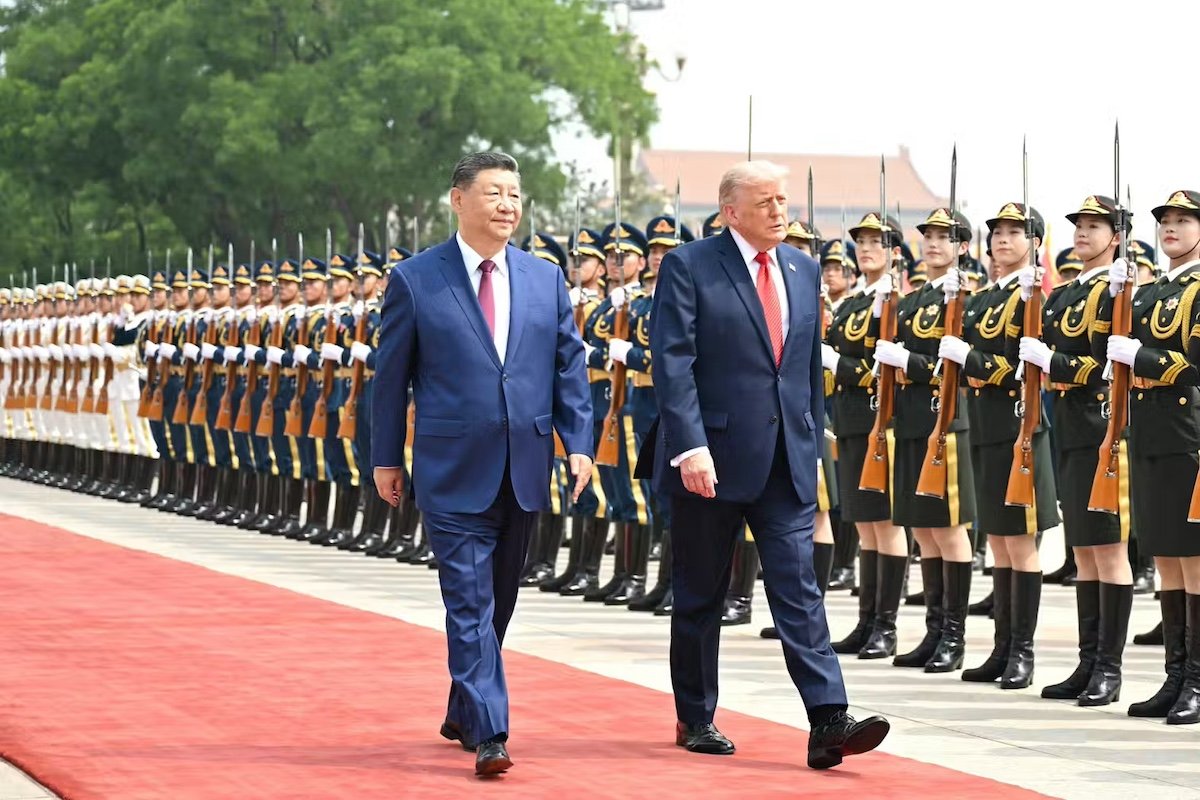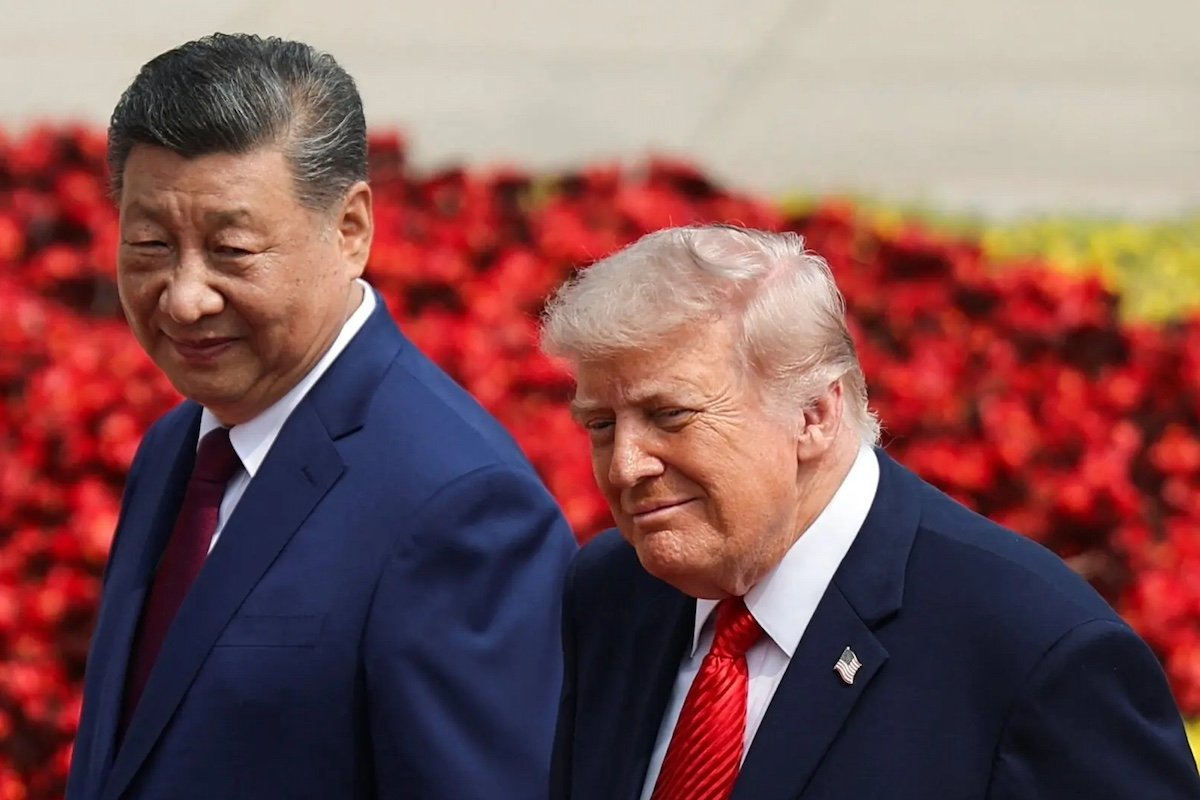
Diplomacy often requires a straight face, even when tensions simmer beneath the surface. On the first day of Donald Trump's visit to Beijing, the US president displayed political correctness and diplomatic finesse, but Chinese sources reported that Xi Jinping issued a stern warning on Taiwan, calling it 'the most important issue in China-US relations.' Xi cautioned that mishandling it could lead to 'clashes and even conflicts, putting the entire relationship in great jeopardy.' This rhetoric, typical for domestic consumption, underscores the fragility of the summit.
The visit comes amid a backdrop of US actions that have antagonized Beijing. Just days before the summit, a jury found Lu Jianwang guilty of operating a secret police station in Manhattan's Chinatown on behalf of the Chinese government. Earlier, Eileen Wang, the mayor of Arcadia, California, resigned after being charged as a Chinese agent for spreading disinformation, including denial of atrocities against Uighurs. These moves, part of a broader US crackdown, signal Washington's determination to counter China's grey-zone activities.
Signals of Strength and Weakness
Much has been written about China's perceived position of strength, with the US bogged down in the Iran conflict. However, actions on the ground tell a different story. China allowed sanctioned US Secretary of State Marco Rubio, a vocal critic of Beijing's policies on Xinjiang and Hong Kong, to travel with Trump and shake hands with Xi. This concession reflects Beijing's eagerness to facilitate the summit, despite Rubio's history of China-bashing, rooted in his Cuban immigrant background and anti-communist views.
Meanwhile, the US has escalated pressure. The National Security Strategy 2025 reasserted the Monroe Doctrine, aiming to secure supply chains and reindustrialize America—measures clearly targeting China. The US Trade Representative initiated a review of actions on technology transfer and intellectual property, while the Federal Trade Commission launched a 'Made in USA' sweep against companies selling Chinese products as American. The State Department issued a report on Hong Kong, warning US citizens of heightened risks of arrest for criticizing the Chinese Communist Party.
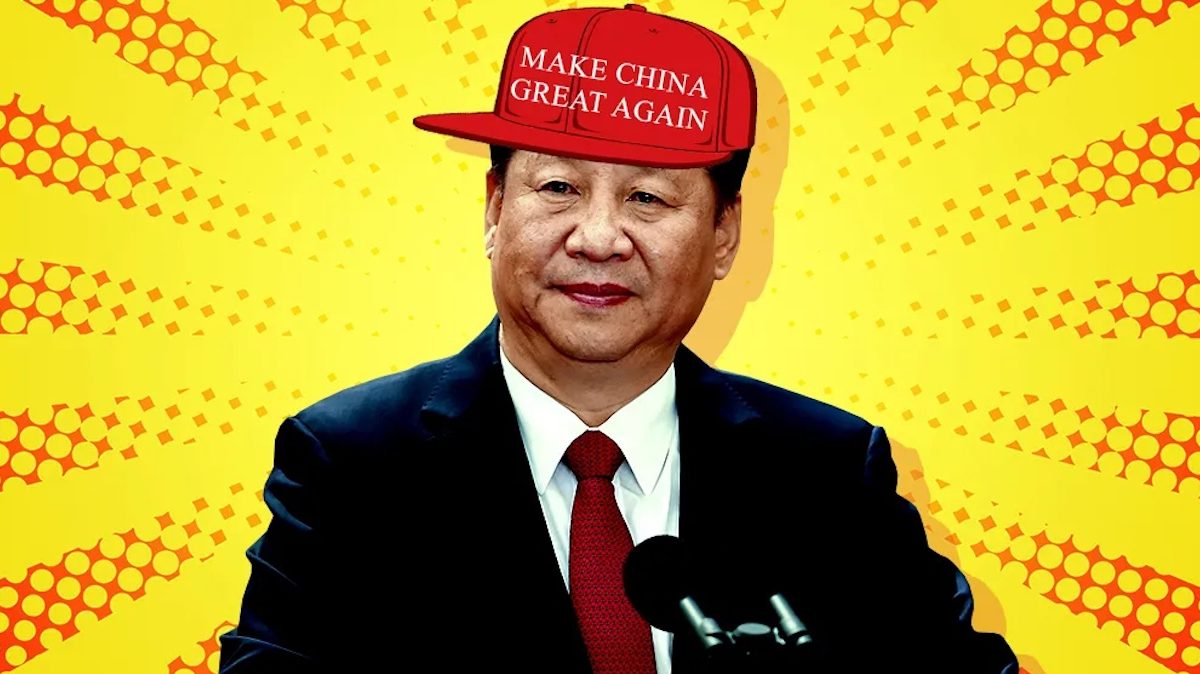
These actions, including criminal charges against two Chinese nationals for running a cryptocurrency fraud scheme in Myanmar, suggest the US is not negotiating from weakness. As one analysis notes, it defies logic that the 'stronger' party would roll out a red carpet while the 'weaker' one paints it black with antagonistic moves. Trump, buoyant from recent achievements in Venezuela and Panama, has called Xi his friend, but Xi faces economic headwinds: a slowdown, falling consumption, a real estate crisis, and high youth unemployment.
The summit's cordial atmosphere, with miles of smiles, belies a fraught relationship. For deeper context, see our analysis on Trump-Xi Summit: US Exports and Iran Take Center Stage in Reset Bid and the implications of Trump's Taiwan Arms Sales Discussion With Xi Signals Policy Shift. The outcome remains uncertain, but the underlying tensions are unmistakable.