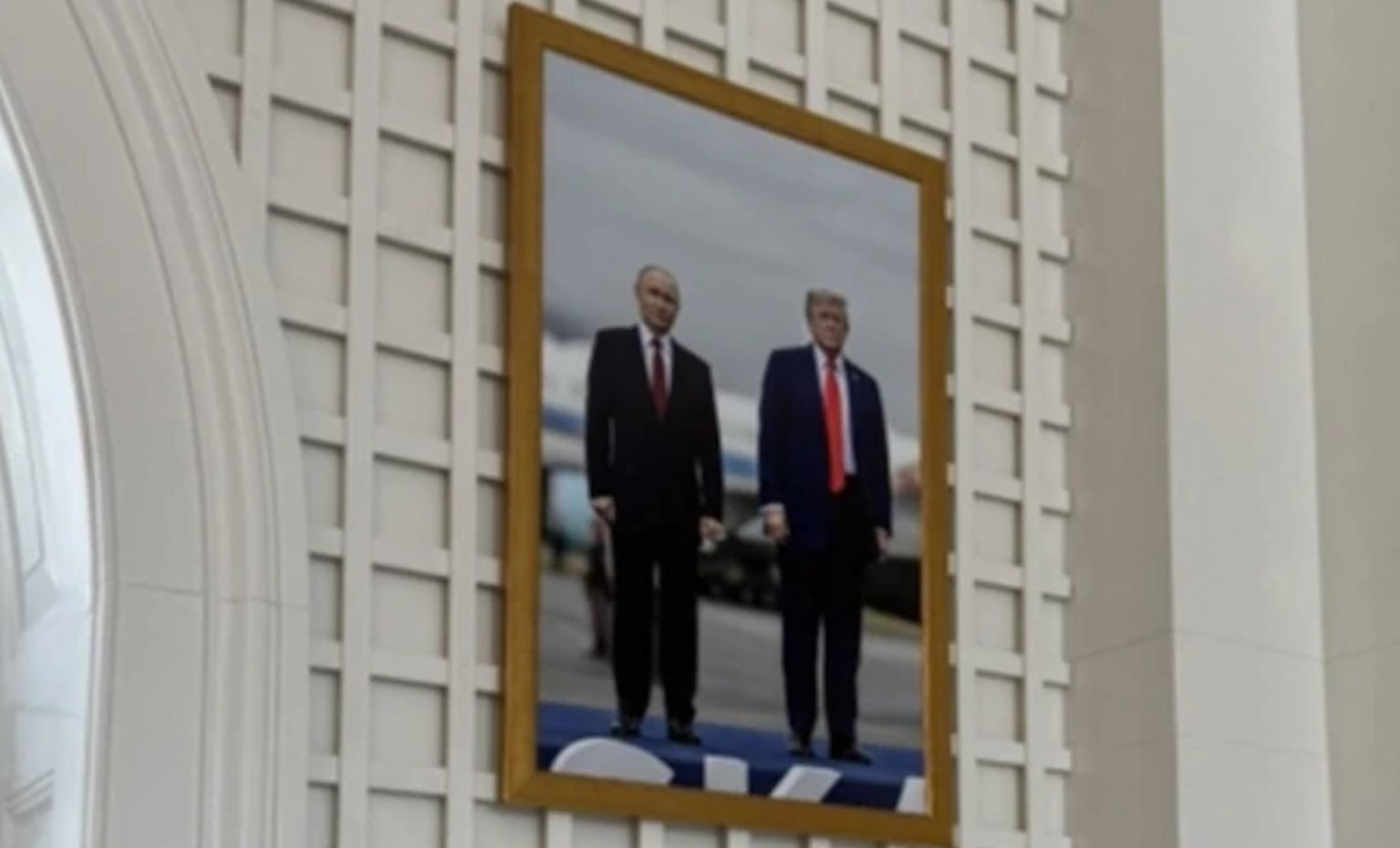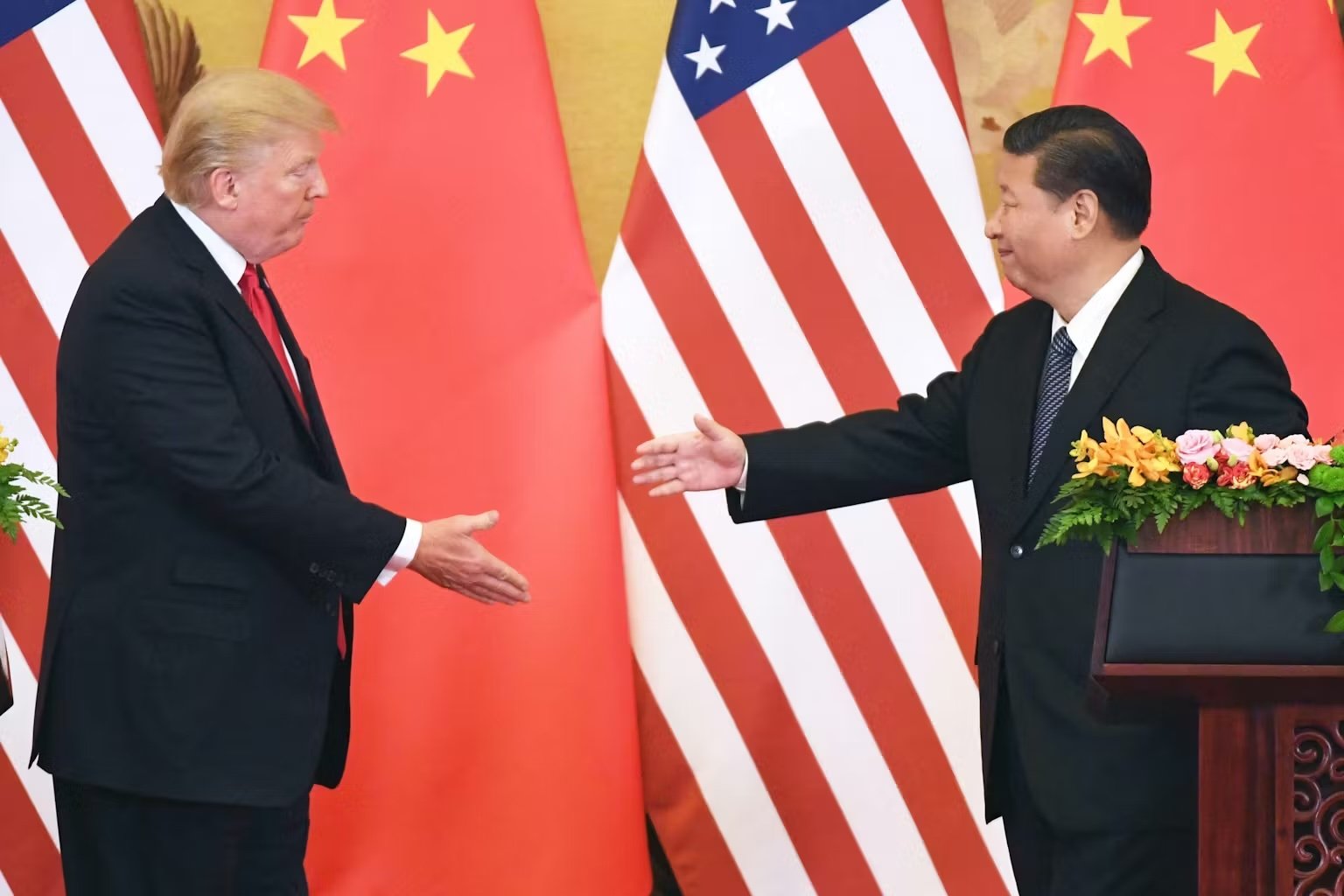
When US President Donald Trump meets Chinese President Xi Jinping in Beijing this week, the agenda will extend beyond trade, technology, and the ongoing war in Iran. One issue, however, stands out for its potential to reshape the strategic landscape of the Indo-Pacific: the future of US arms sales to Taiwan.
Taiwan has long been a flashpoint in Sino-American relations. Beijing considers the island a breakaway province that must eventually be reunified with the mainland, while Washington has historically maintained a policy of strategic ambiguity—neither explicitly committing to defend Taiwan nor ruling out military intervention. But Trump’s approach appears to be breaking with that tradition.
The president has explicitly stated that he will discuss future US arms sales to Taiwan with Xi. This move directly contravenes one of the Six Assurances, a set of commitments the US has upheld toward Taiwan since the 1980s, which were endorsed by the US Congress in 2016. The assurance in question holds that the US will not consult Beijing on arms sales to Taipei. By making such sales a topic of negotiation, Trump is effectively chipping away at a cornerstone of US policy.
A Transactional Approach to Taiwan
Trump’s willingness to discuss arms sales reflects a broader pattern in his dealings with China. Throughout his presidency, he has prioritized economic issues over the security of regional allies. In his first term, he reportedly told aides that Taiwan is indefensible given its proximity to China, saying, “Taiwan is like two feet from China. We are 8,000 miles away. If they invade, there isn’t a fucking thing we can do about it.”
This transactional mindset, combined with a relative indifference to abstract principles of foreign policy, makes Trump more amenable to trading away support for Taiwan in exchange for concessions elsewhere. Observers fear that he may water down the US commitment to Taiwan by, for instance, shifting from a stance of “not supporting” Taiwanese independence to actively “opposing” it, or by reiterating that whether Xi invades Taiwan is “up to him.”
For Xi, even securing a discussion of arms sales is a victory. It opens the door for Beijing to link the issue to other areas of cooperation, such as trade or the conflict in Iran. If Trump or a future president seeks Chinese help in settling a crisis like the one in the Middle East, Beijing could demand an end to US arms sales to Taiwan as the price. This would effectively give China a veto over a key aspect of US policy.
The stakes are high. A weakening of US support for Taiwan could be read in Beijing as permission to change the status quo by force. While Washington might belatedly respond with military force, the risk of miscalculation and escalation would rise significantly. As Trump's tariffs and export controls reshape US-China economic ties, the security dimension is becoming equally fraught.
Trump’s position is further complicated by the US military’s current strain. The war in Iran has consumed advanced munitions at a high rate, damaging America’s deterrent capacity in the Indo-Pacific. At the same time, Trump’s domestic popularity is declining amid the war’s economic fallout. This weakened posture makes him more likely to seek a deal with Xi to ease trade tensions or secure help in ending the Iran conflict—potentially at Taiwan’s expense.
As Trump's Beijing visit will yield little for a weakened US, the summit underscores a broader shift in the region. Allies from Tokyo to Seoul are watching closely, concerned that Washington’s commitment to its security partners is eroding. For Taiwan, the message is clear: the era of unquestioned US support may be coming to an end.