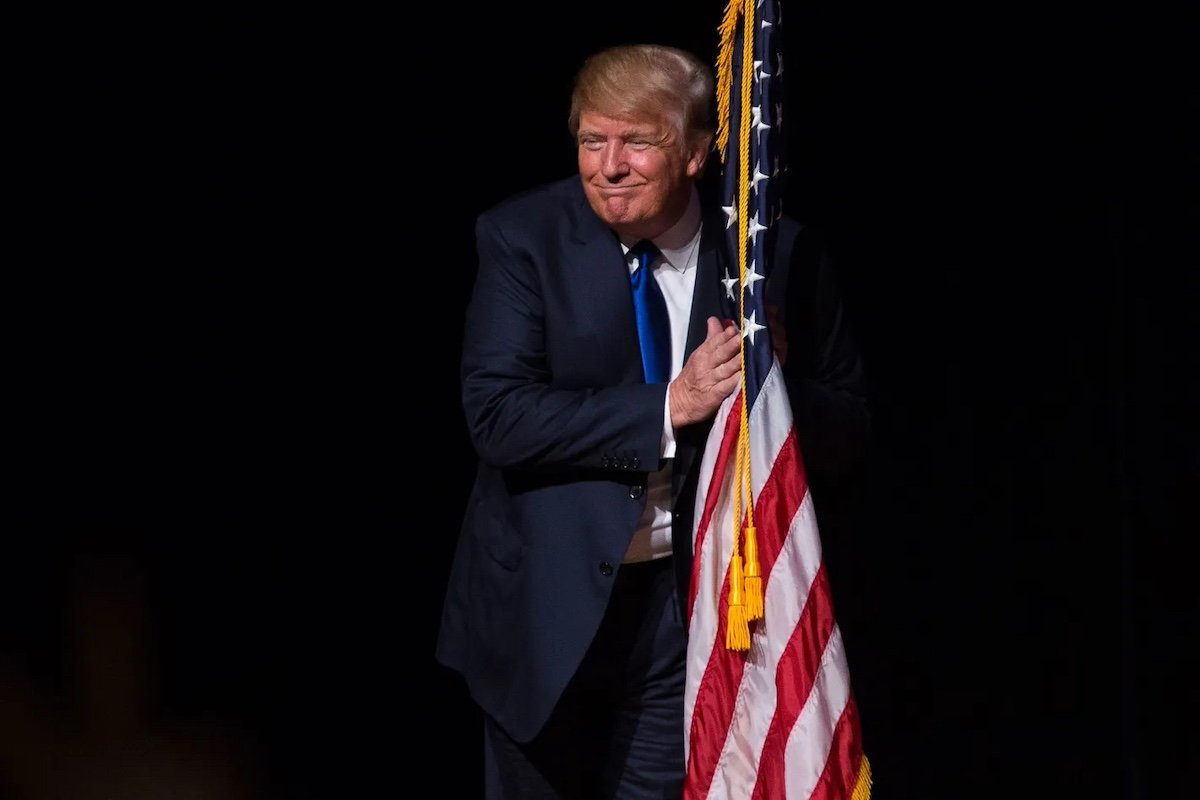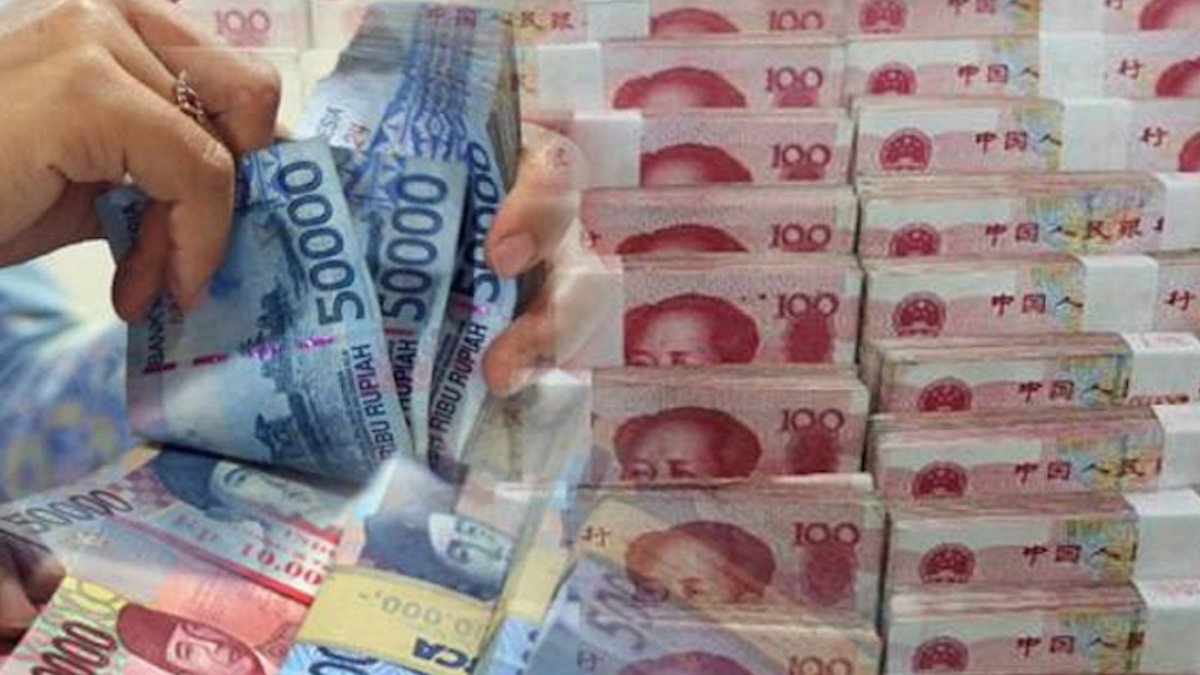
When Donald Trump travels to Beijing with a delegation of top US CEOs, the focus will be on trade. But the most consequential shift in US-China economic relations has already occurred: decoupling is no longer a theoretical debate but a measurable reality.
In the mid-2010s, the US-China economic relationship followed a familiar pattern: American companies designed products, sent specifications to factories in China—often using components from Japan, South Korea, or Taiwan—and then imported the finished goods for sale. Both sides grew dissatisfied. American workers lost manufacturing jobs, while Chinese leaders resented being stuck in low-value assembly.
China responded with industrial policy to move up the value chain, creating national champions like BYD, Huawei, and CATL. The US, under both Trump and Biden, sought to reduce its trade dependence on China. The question is whether Washington has succeeded.
Tariffs Have Shifted Trade Flows
The data shows a clear decline. The share of US imports from China has fallen sharply since 2017, according to a Wall Street Journal analysis. Tariffs imposed during Trump's first term—and expanded under Biden—have pushed American buyers to source from Vietnam, Mexico, and other Southeast Asian nations.
For example, most personal computers imported by the US were made in China two years ago. Today, the majority come from Vietnam. Furniture, shoes, and clothing—the low-value goods hit by early tariffs—had already been moving elsewhere as Chinese labor costs rose. But recent tariffs have targeted electronics, accelerating the shift.
Investment flows tell a similar story. Foreign direct investment into China has collapsed, with capital moving to Southeast Asia and, for advanced manufacturing, to Europe. A survey of Ohio manufacturers found that 9% had reshored some production to the US in 2025, up from 4% in 2021, with 60% of that relocation coming from China.
Why Companies Are Leaving China
Three factors explain the exodus. First, tariffs make it more expensive for American companies—like Apple, which assembles iPhones in Shenzhen—to manufacture in China and ship back to the US. Second, multinationals have learned the hard way that technology transferred to Chinese factories is often appropriated by local competitors, sometimes with government help. Third, rising tensions over Taiwan and the South China Sea have made China a risky location for factories that could be blockaded or expropriated in a conflict.
Critics argue that decoupling is overstated. They point to the fact that China remains a major supplier of critical minerals and rare earths, and that some US imports from China have merely been rerouted through Vietnam or Mexico. But the trend is unmistakable: the US is buying less from China, and the gap is widening.
Trump's upcoming summit with Xi Jinping will test whether this economic separation can be managed without escalating into conflict. As analysts note, the two leaders face a delicate balancing act. For now, the decoupling that Trump promised is happening—not through a single policy, but through a cascade of tariffs, export controls, and corporate risk aversion that is reshaping the Indo-Pacific economy.