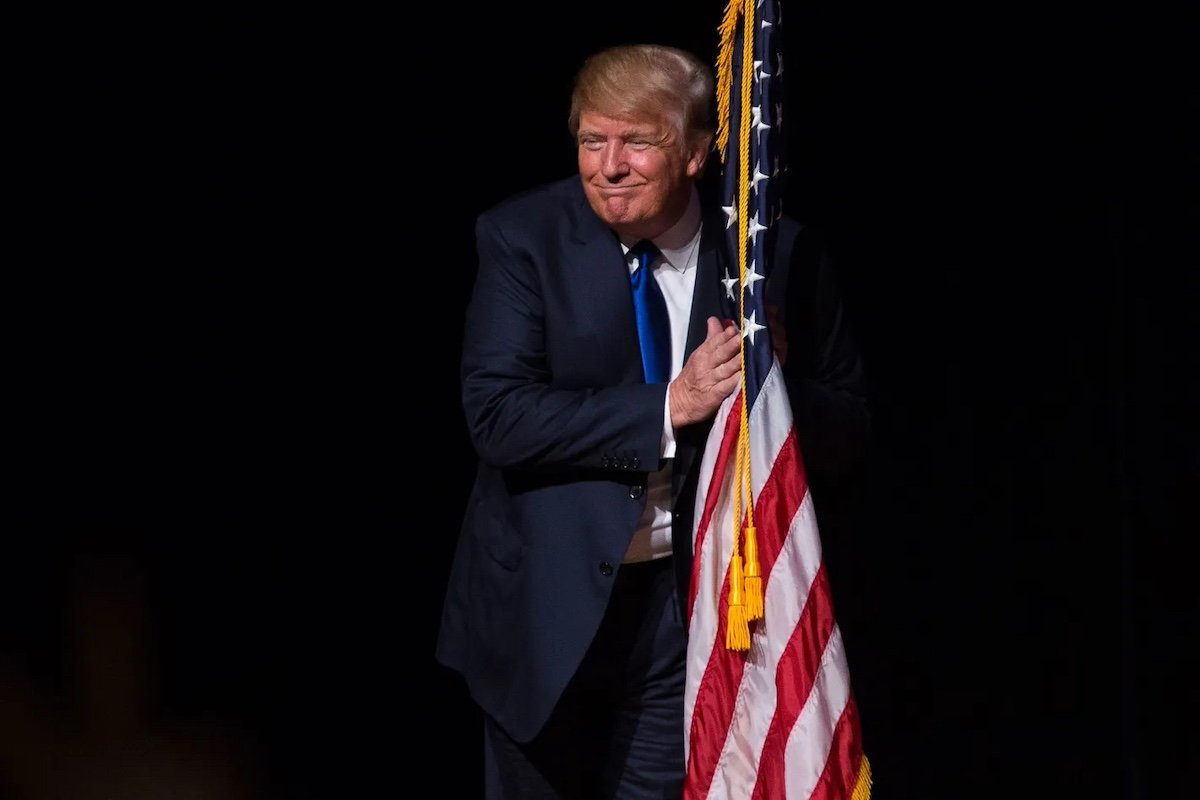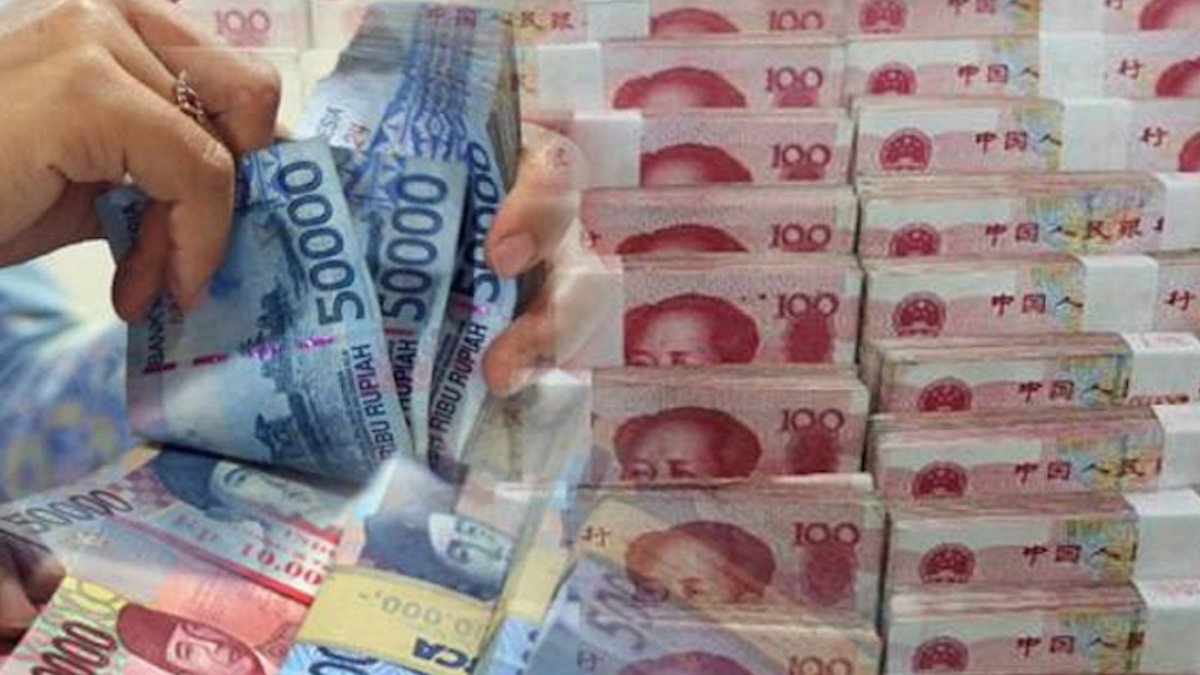
When US President Donald Trump and Chinese President Xi Jinping met in Beijing on May 14-15, 2026, global media focused on tariffs, Taiwan, and Iran. The coverage was accurate but missed a fundamental transformation: Asia's wealthy families are rewriting how capital moves across the region, independent of government summits.
For decades, Asia's affluent operated in lockstep with their governments. Trade deals and treaties guided investment decisions. Capital followed political alignment because it signaled safety and long-term stability. The Beijing summit was designed for that world, but that world is ending.
Today, wealthy families across Asia form their own views, make independent bets, and deploy capital before governments agree on anything. They no longer wait for summit outcomes or treaty signatures. The summit has become a backdrop to a process they are running without permission.
The Numbers Behind the Shift
According to the Monetary Authority of Singapore, the number of single family offices in Singapore grew from about 400 at the end of 2020 to over 2,000 by end-2024—a fivefold increase in four years. As of Q1 2026, Deloitte estimates Hong Kong hosts 3,384 single family offices, while Singapore's numbers continue to climb.
This wealth is not leaving Asia. It is repositioning within the region, away from any single government's regulatory perimeter. The lesson was learned between 2019 and 2022, when Hong Kong's political and regulatory environment shifted sharply. Capital flight was not panic-driven but based on an updated risk model: capital tied to one government's commitments is exposed to that government's reversals.
Singapore became one answer, Dubai another, and the Gulf states a third. Multi-jurisdictional family office structures, almost unheard of a decade ago, are now standard among Asian families with assets above US$100 million.
Western pension funds and university endowments, once the backbone of Asian growth funding, are pulling back. Geopolitical scrutiny from Washington and poor returns from China's venture cycle (2018-2022) have made many large Western limited partners unwilling to commit fresh capital at previous scales. Several major American endowments have quietly stopped writing new China-specific checks; some have stopped Asia checks entirely.
Regional private wealth is filling the gap. Private investment flows into China have slowed, with China's share of regional private equity deal value falling to roughly 27 percent—half of what it was four years ago, according to KPMG, Bain, and Moonfare. But capital is not disappearing; it is rerouting.
Japanese, Indian, Indonesian, and Middle Eastern wealth is funding Asian growth in new patterns. Indian family offices co-invest with Japanese conglomerates in Southeast Asian manufacturing. Saudi sovereign wealth anchors rounds in Indian fintech. Singapore family offices lead rounds in Indonesian healthcare. The map is being redrawn from inside.
For Asian founders, the implication is direct: the capital available for the next decade is not the capital of the last decade. Investors are increasingly Asian operators, not Western institutions, with different decision criteria, timelines, and expectations.
For Asian governments, the implication is more uncomfortable. The traditional toolkit—summit diplomacy, treaty negotiation, currency coordination—was built for a world where government decisions shaped private capital flows. Now, the wealthy move capital based on their own assessment of which jurisdictions preserve property rights. Summits are becoming theater. Decisions that matter are made in private wealth offices in Singapore, Mumbai, Dubai, and Tokyo, often before the summit communique is drafted.
One more dimension: the wealthy moving capital today are not the same generation as those who built it. Next-generation principals of Asia's family offices were educated in the US and Europe, hold multiple passports, and view themselves as global citizens with assets in Asia, not Asian citizens with assets abroad. Their loyalty to any single jurisdiction is conditional, not inherited. The regimes that win their capital in the next decade will compete on transparent, rule-of-law terms.
A regional operator in 2010 needed a tariff deal and Western capital; the summit shaped both. In 2026, the tariff deal is still needed, but capital has already moved into position, deployed by Asian wealth that did not wait for the summit. The most important Asian economic decisions of the next decade are no longer made in Beijing or Washington. They are made in family office boardrooms across the region, by principals quietly building their own framework.
For more on the summit dynamics, see Trump's Beijing Summit: A Weak Hand Meets Xi's Strategic Patience and Trump-Xi Summit in Beijing: No Repeat of Nixon's 1972 Breakthrough.