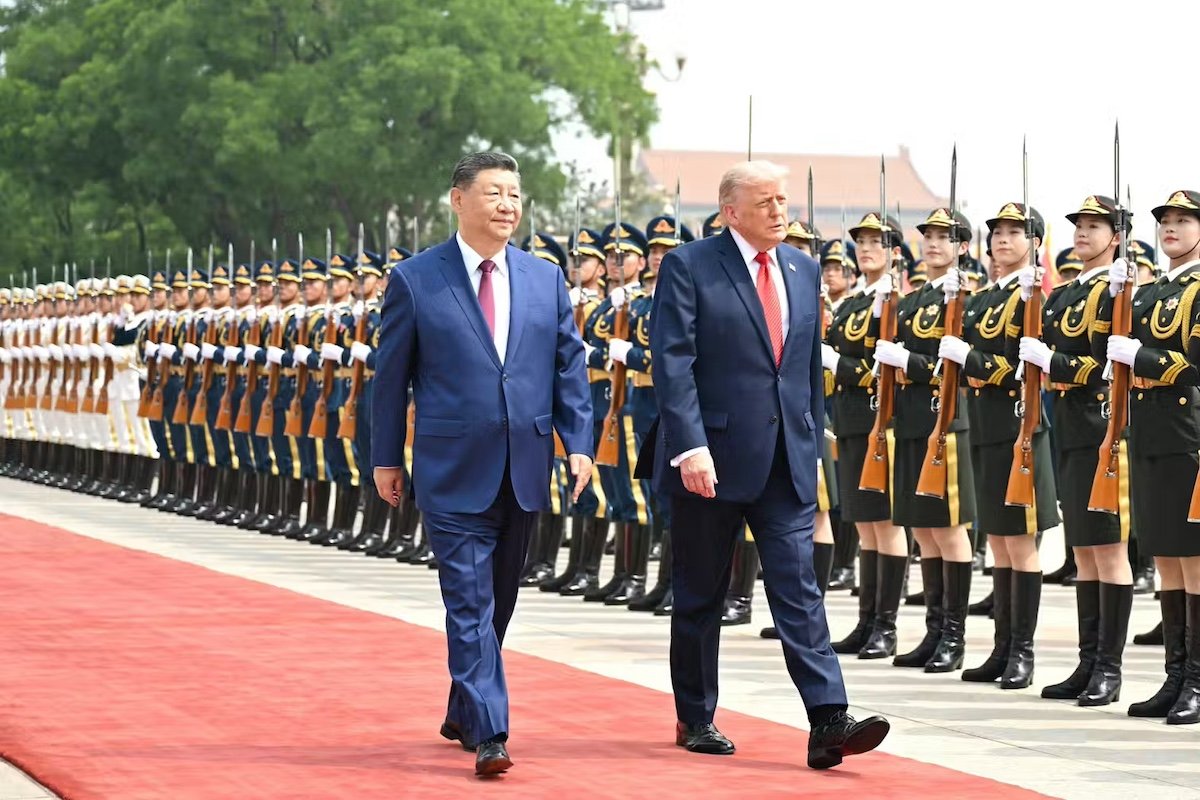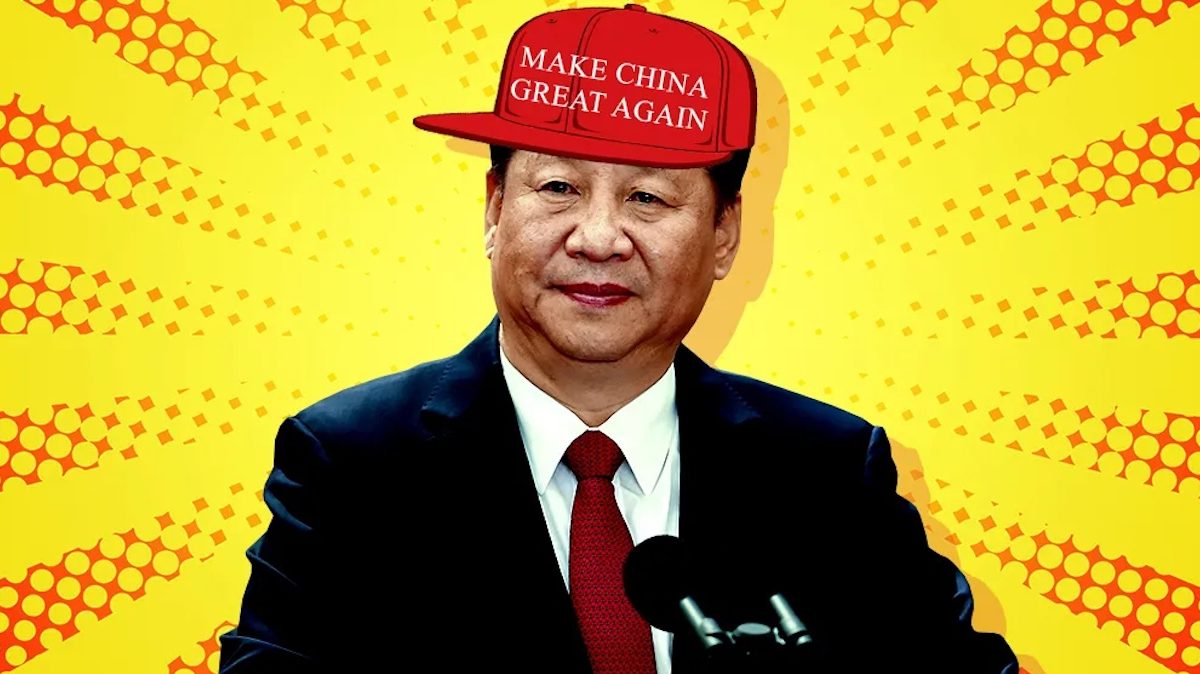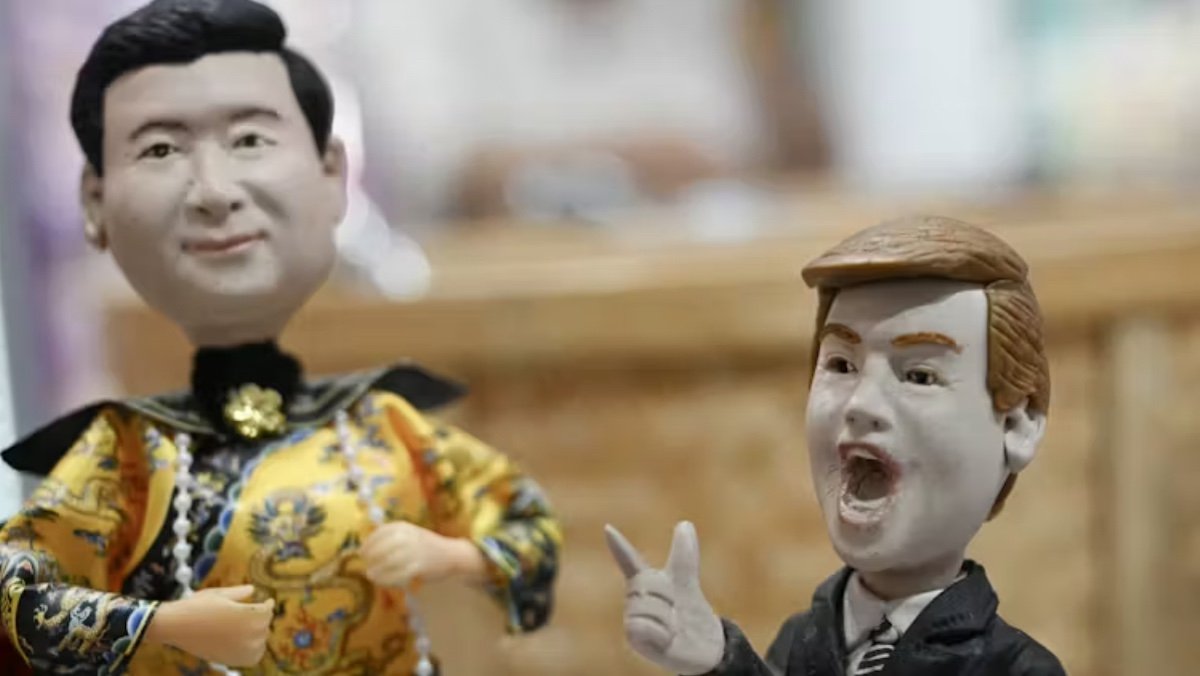
Meetings between American and Chinese leaders are rare, but only a few have reshaped history. Richard Nixon's 1972 visit to Beijing, where he met Chairman Mao Zedong, broke decades of isolation. Deng Xiaoping's 1979 trip to the United States, capped by a Stetson hat at a Texas rodeo, signaled China's willingness to engage with the West. Donald Trump's upcoming summit with Xi Jinping, scheduled for May 14-15, 2026, in Beijing, will not achieve such transformative outcomes.
The summit is driven primarily by trade imbalances, but both leaders have only partially defined goals. Trump's first face-to-face meeting with Xi in China since 2017 occurs amid a backdrop of heightened competition. As an analyst of US-China relations, I see the world's two largest economies locked in a fundamentally competitive relationship for years to come. Areas of plausible cooperation—on climate change or AI regulation—are shrinking.
Taiwan: A Test of US Resolve
Taiwan remains a persistent flashpoint. Xi has stated that unification with the island cannot be left to another generation, though he has not specified how to achieve it. The summit follows speculation about US willingness to defend Taiwan, especially after the war in Iran has stretched American military capabilities. Chinese analysts argue that Washington's capacity to intervene has weakened.
Beijing appears to prefer peaceful unification, learning from the unpredictable outcomes of conflicts like Russia's war in Ukraine and the US intervention in Iran. China is focusing on influencing Taiwan's January 2028 presidential election. Kuomintang leader Cheng Li-wun recently visited the mainland and posed for photos with Xi, signaling that dealmaking with Beijing might be acceptable to some Taiwanese voters despite deep distrust.
China will push for a shift in US language from "does not support Taiwan independence" to "opposes Taiwan independence." This subtle change would imply US recognition of unification as a legitimate goal. Trump has kept his position ambiguous: he has noted Taiwan's proximity to China and authorized major arms sales that anger Beijing. Taiwan's ruling Democratic Progressive Party, which avoids explicitly endorsing independence, would see such a concession as a serious blow. It is unlikely the US will make this concession during the summit, but Beijing will press for it.
AI Competition: A New Frontier
Technology, particularly artificial intelligence, is an increasingly important topic. Three years ago, US policy was summed up by national security adviser Jake Sullivan's phrase "small yard, high fence"—restricting only a few technology areas but guarding them fiercely. By 2026, restrictions have loosened; the US now permits sales of some high-specification chips to China, driven by the realization that China is developing domestic alternatives and the US is losing market share.
Both countries want to dominate AI and set global norms, but they also recognize AI's potential for harm. Loose discussions about joint supervision or regulation may occur during the summit. However, fierce competition makes it unlikely that American or Chinese companies will restrain themselves. As the US, EU, and China diverge sharply on regulating AI companions, any agreement remains elusive.
The Trade Elephant
The most tangible outcomes will likely involve trade deficits. Trump's tariffs have reshaped bilateral commerce, but deeper structural issues persist. The summit may produce agreements on agricultural purchases or energy deals, but these will not resolve the fundamental rivalry. As leverage economics replaces the rules-based order, both sides are maneuvering for advantage.
Ultimately, the Trump-Xi summit will be a transactional meeting, not a historic breakthrough. The era of grand strategic openings, like Nixon's visit, is over. Instead, the world's two largest economies will continue to compete, with cooperation limited to narrow, pragmatic areas.