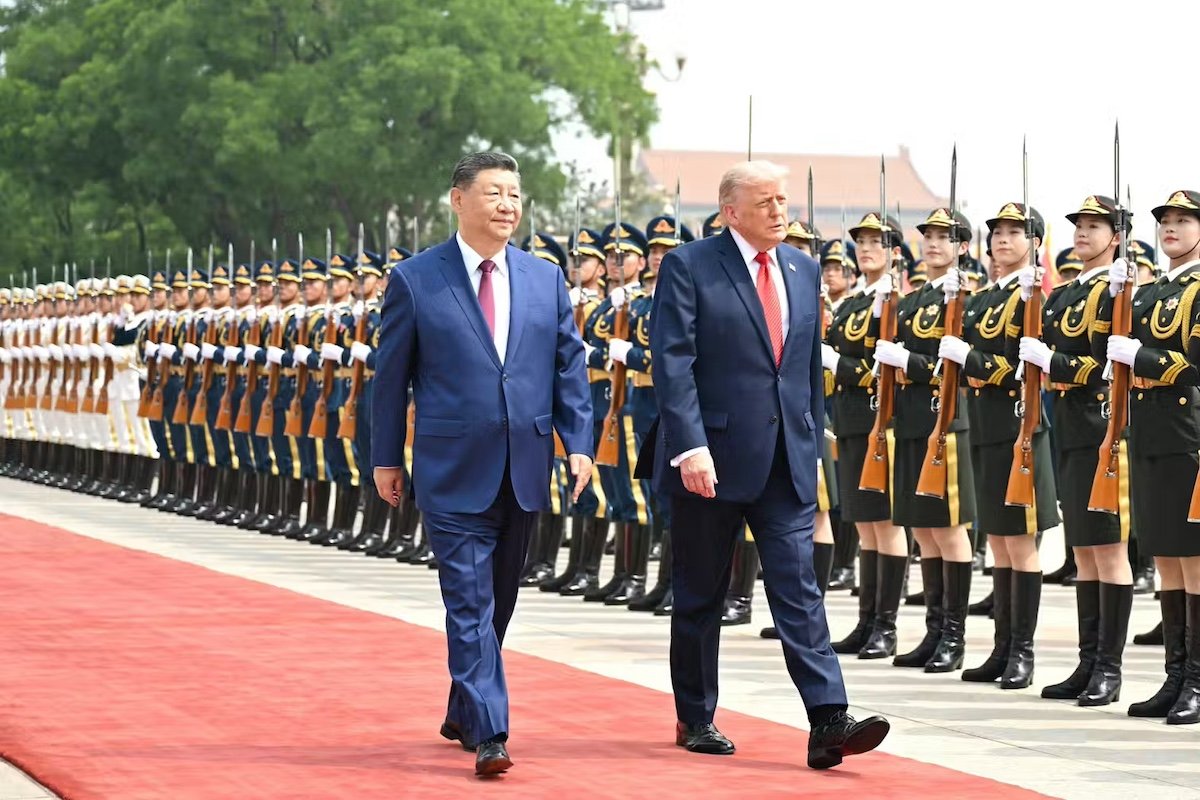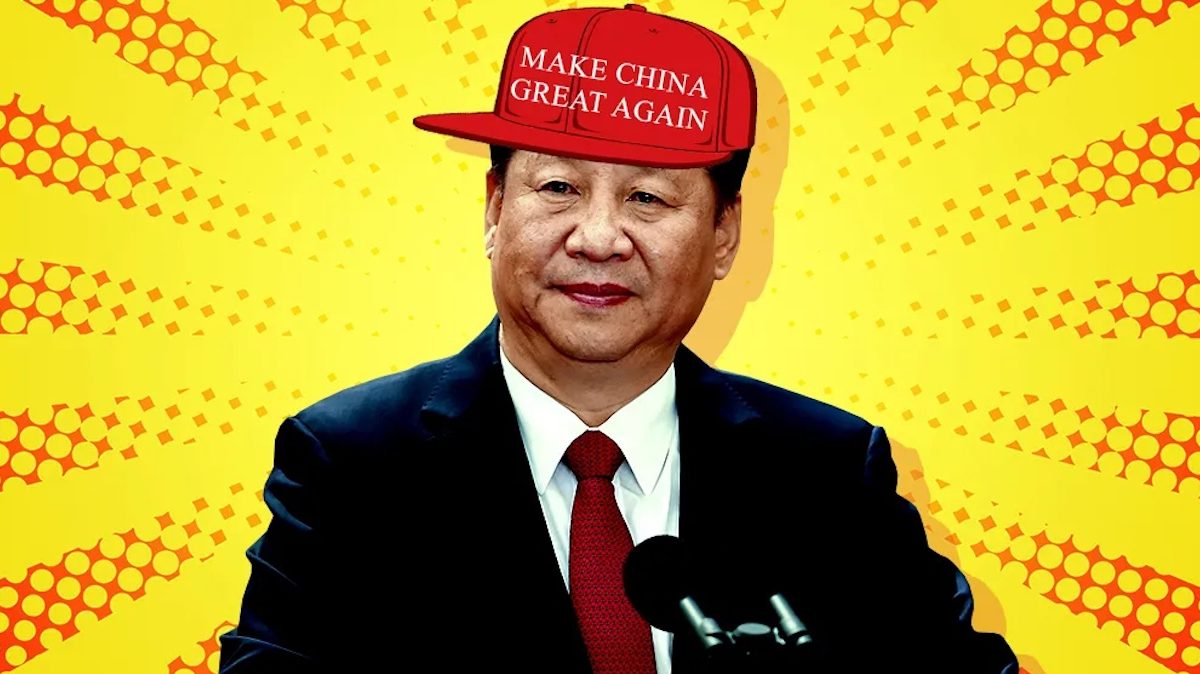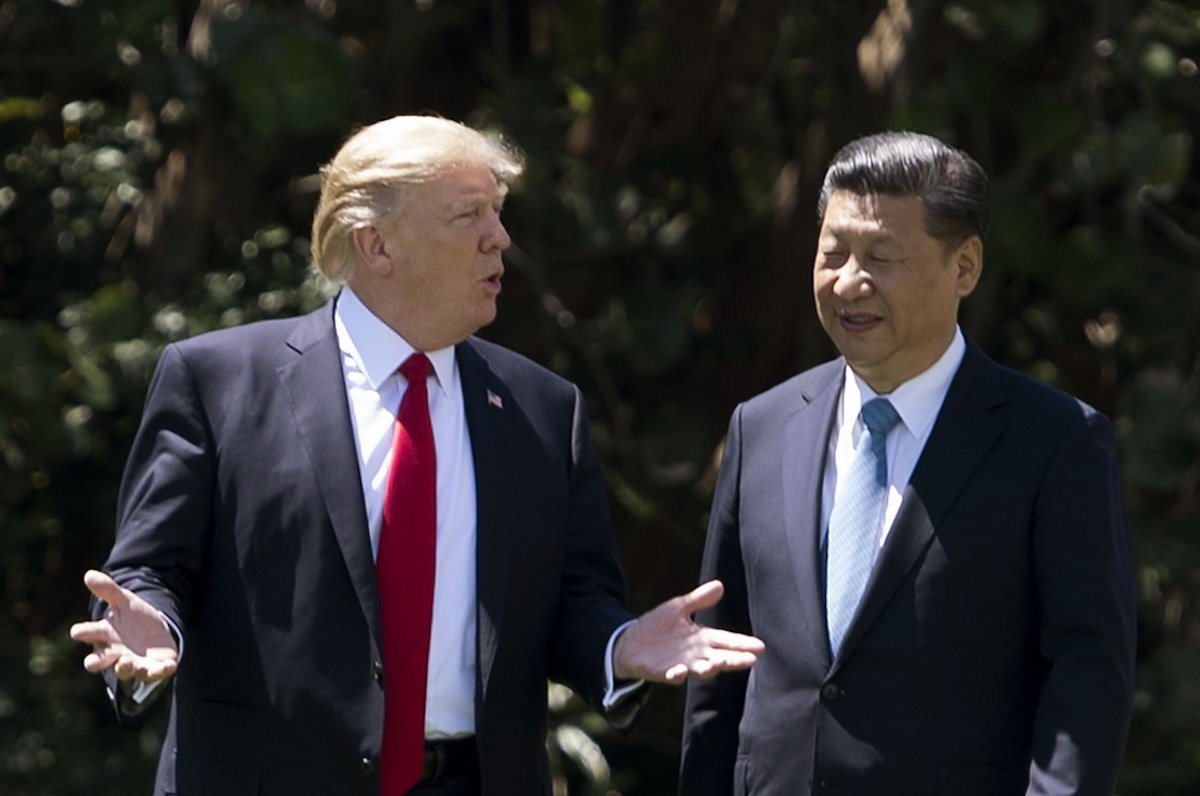
When US President Donald Trump lands in Beijing this week, the power dynamics between the world's two largest economies look markedly different from the confident posture his administration projected 15 months ago. Trump's advisers once believed sweeping tariffs would force Chinese leader Xi Jinping to yield, redirecting the gains of a US$53 trillion economic relationship in Washington's favor. Instead, as Trump himself might put it, Xi's China now "holds all the cards."
China's state-run Global Times has characterized the United States as a "giant with a limp" entering the talks, pointing to the spiraling Iran conflict, oil prices above US$100 a barrel, strained ties with US allies over tariffs, and court rulings that have chipped away at Washington's international leverage. The contrast with Xi's position is stark: it is Trump who has flown to Beijing seeking a trade deal, not the other way around.
Economic Pressures Mount at Home
US inflation jumped 3.8% year-on-year in April, the highest rate in three years, driven in part by the economic fallout from the US-Israeli attack on Iran. That has crushed Trump's approval numbers and made a Federal Reserve rate cut this year — which Trump had demanded — essentially impossible. The inflation rate now exceeds India's 3.48%, underscoring the depth of the problem.
Meanwhile, US tax receipts in April, typically a peak collection month, fell 17% year-on-year. A Gallup poll found 47% of Americans rate economic conditions as "poor," up seven points from March, while 73% say things are getting worse. A Fox News poll shows 70% believe the economy is deteriorating, matching a record high set in 2023.
Trump's assault on the Federal Reserve's independence has further undermined confidence. Critics argue it is a ham-handed attempt to remake the most globally respected US institution in the image of the People's Bank of China, putting trust in the dollar at risk just as US national debt approaches US$40 trillion.
China's Strategic Gains
The Trump 2.0 era has inadvertently accelerated China's ascendancy as a trade and innovation power. The "Made in China 2025" initiative, launched by Xi in 2015, is bearing fruit: Chinese electric vehicle maker BYD has overtaken Tesla and disrupted Europe's auto industry. Tariffs have done little to revive America's competitive edge, serving more as gimmicks than as a recipe to rekindle innovation or strengthen human capital.
Beijing is also exploiting the crisis to advance the yuan's international role. As Gulf states lose confidence in US security guarantees amid wartime disruptions, China sees an opportunity to create a yuan-based settlement architecture for postwar energy trade — the long-sought "petroyuan." Carlos Casanova, an economist at Union Bancaire Privee, notes that while the direction is clear, broad adoption is unlikely in the foreseeable future. Gulf monarchies depend on US security guarantees and maintain deep ties to US capital markets. For the yuan to gain real traction, Casanova says Beijing must execute a long, difficult agenda: deepen frictions between the UAE and Saudi Arabia, equip Iran to challenge US security guarantees, and advance capital-account convertibility at home. "Even under favorable conditions," he adds, "this would likely take decades."
Still, Trump's policy chaos is doing the BRICS' work for it. His threat to impose 100% tariffs on BRICS members if they pursue alternatives to the dollar has reminded the world why it has grown weary of Washington. The petroyuan's rise on the tide of the Iran war is a case in point.
Allies in a Bind
In Tokyo, US Treasury Secretary Scott Bessent is trying to project confidence in meetings with Japanese officials, discussing the weak yen and Trump's desire for Tokyo's help with the Iran war. But beneath the surface, Prime Minister Sanae Takaichi is surely seeking assurances about the safety of Japan's US$1.2 trillion in US Treasuries — the largest foreign-held stockpile. News from Washington, including the drop in tax receipts and persistent inflation, offers little comfort.
The broader picture is one of a US administration that has failed to raise America's competitive game. As Diana Choyleva at Enodo Economics observes, US efforts have done little to ensure the dollar and US Treasuries remain the circulatory system of the global economy. Leverage economics has replaced the rules-based order, and Trump is arriving in Beijing with his leverage depleted.